Me-Page Team
Last modified 16 Jun 2026
Article Plan
- Why Website Updates Matter
- What Is Website Downtime?
- How Live Site Editing Works
- Benefits of Updating Websites Without Downtime
- Common Website Updates Businesses Make
- How ME-Page Supports Live Site Editing
- Best Practices for Website Updates
- Common Mistakes to Avoid
- Conclusion
- Frequently Asked Questions about Website Updates
Keeping a website updated is essential for staying relevant online. Whether you're changing content, launching a new service, updating prices, or refreshing your design, visitors expect your website to work flawlessly during every update.
Unfortunately, traditional websites sometimes experience downtime during maintenance or publishing. Broken pages, unavailable content, and interrupted user experiences can hurt trust and conversions.
That’s why platforms like ME-Page are designed to help users update website easily while minimizing disruptions through efficient live site editing workflows.
Let’s explore how website updates work and why downtime-free editing matters for modern websites.

Why Website Updates Matter
A website isn’t something you build once and forget. Successful websites evolve continuously.
Regular updates help you:
- Keep information accurate
- Improve SEO performance
- Add new content or services
- Refresh branding and design
- Enhance user experience
For example, a business may update seasonal promotions or product information. A creator might add new content, events, or portfolio items to keep visitors engaged.
Fresh websites often perform better in both search engines and user engagement.
What Is Website Downtime?
Website downtime occurs when visitors cannot access a site or parts of it during updates or technical issues.
Downtime can lead to:
- Lost sales
- Poor user experience
- Reduced trust
- Lower conversion rates
For instance, if an online booking page becomes unavailable during an important campaign, potential customers may leave and never return. Even short interruptions can negatively affect business performance.
This is why businesses increasingly prioritize systems that allow them to update website easily without affecting visitors.
How Live Site Editing Works
Live site editing allows website owners to make changes efficiently while keeping pages accessible to visitors.
Instead of taking an entire website offline, updates can often be applied more smoothly and quickly.
Instant Content Updates
Text, images, and sections can be updated without rebuilding the entire website. For example, a coach can modify program details instantly, while a freelancer can update portfolio projects as new work becomes available. This flexibility helps websites stay current and relevant.
Faster Publishing
Modern website platforms reduce the time between editing and publishing. A business launching a promotion can make updates quickly instead of waiting through lengthy deployment processes. Faster publishing allows teams to react to changes in real time.
Reduced Disruptions
Efficient publishing workflows help minimize interruptions for visitors. Instead of encountering broken pages or unavailable content, users continue browsing normally while updates are applied.
Benefits of Updating Websites Without Downtime
Downtime-free updates improve both business operations and visitor experience.
- Better User Experience: Visitors expect websites to work at all times. If pages remain accessible during updates, users can continue browsing, booking, or purchasing without interruption. This creates a more reliable and professional experience.
- Improved Trust: A stable website signals reliability. For example, customers are more likely to trust a business whose site is consistently available and functioning properly. Reliability often contributes to stronger brand perception.
- Higher Conversion Rates: Every minute of downtime can potentially mean lost leads or sales. Keeping websites live during updates helps preserve conversion opportunities and reduce customer frustration.
- More Efficient Workflows: Teams can update content more frequently when the process is simple. This encourages businesses to keep information fresh instead of delaying changes due to technical concerns.
Common Website Updates Businesses Make
Here are some examples of frequent updates:
The easier it is to make these changes, the easier it becomes to maintain an effective website.
How ME-Page Supports Live Site Editing
ME-Page is designed to simplify website management while helping users avoid unnecessary complexity.
Easy Content Management
Users can edit text, images, and page sections without advanced technical knowledge. For example, a creator can update links or featured content in minutes. This makes it easier to maintain a website regularly.
Quick Publishing
Changes can be published rapidly, allowing businesses to respond quickly to promotions, announcements, or customer needs. Faster updates help websites remain accurate and competitive.
Flexible Layout Updates
Users can adjust page layouts as their needs evolve. A coach may add a testimonials section, while a business might introduce a new service page without rebuilding the entire website.
Scalable Growth
As businesses grow, websites often require ongoing changes and new features. ME-Page supports this growth by making updates easier and more manageable over time.
Best Practices for Website Updates
- Review Content Regularly: Outdated information can reduce credibility. Schedule regular reviews to ensure pages remain accurate and useful.
- Test Changes Before Major Campaigns: Check links, forms, and key sections before launching promotions or events. Small errors can impact user experience and conversions.
- Monitor Performance: Use analytics to understand how updates affect traffic and engagement. Data-driven improvements often produce better long-term results.
- Prioritize User Experience: Every update should improve usability, clarity, or value for visitors. Keeping users at the center of decisions leads to stronger website performance.

Common Mistakes to Avoid
Avoid these common update-related issues:
- Delaying content updates for too long
- Publishing without testing links
- Making unnecessary design changes
- Ignoring mobile optimization
- Updating without reviewing analytics
Consistent improvements usually outperform large, infrequent redesigns.
Conclusion
A website should evolve as your business grows, and updating it shouldn’t require technical headaches or visitor interruptions. Modern platforms are making it easier than ever to update website easily while maintaining a smooth experience for users.
Through efficient live site editing workflows, businesses can keep content fresh, respond quickly to changes, and reduce the risks associated with downtime. ME-Page simplifies this process by providing flexible editing tools and streamlined publishing experiences that help users focus on growth instead of technical maintenance.
Whether you’re a creator, freelancer, educator, or business owner, the ability to make updates confidently and efficiently is a major advantage in today’s digital landscape.
Frequently Asked Questions about Website Updates
Live site editing allows website owners to update content and layouts while keeping the website accessible to visitors.
Was This Article Helpful?
Click on a star to rate it!
Average Rating: 5/5
Voutes: 1
Share with Friends:



Previous
ME-Page vs Link-in-Bio Tools: What’s the Difference?
Next
Designing Navigation Menus for Multi-Page Websites
Recent Articles
Everything You Need to Know About Using ME-Page Constructor for Your Website.
How to Create an Effective Services Page for Your Business
When potential customers visit your business website, they want to understand what you offer, how you can help...
How to Create a Navigation Menu for a Multi-Page Website
A website can have excellent content, attractive visuals, and useful features, but visitors may still leave if...
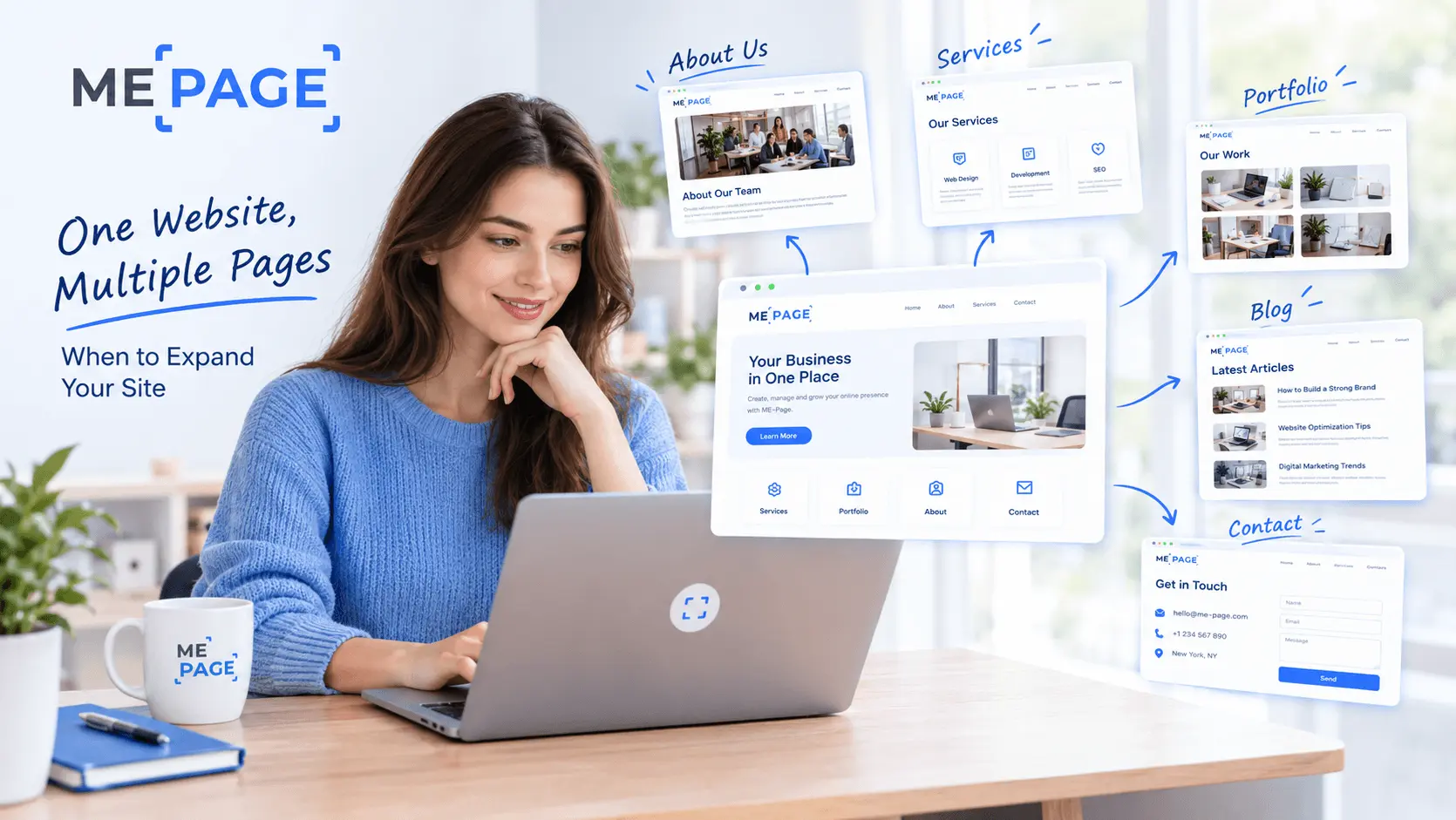
One Website, Multiple Pages: When to Expand Your Site
Starting a website with a single page makes sense. You can introduce your business, showcase your work, add a ...
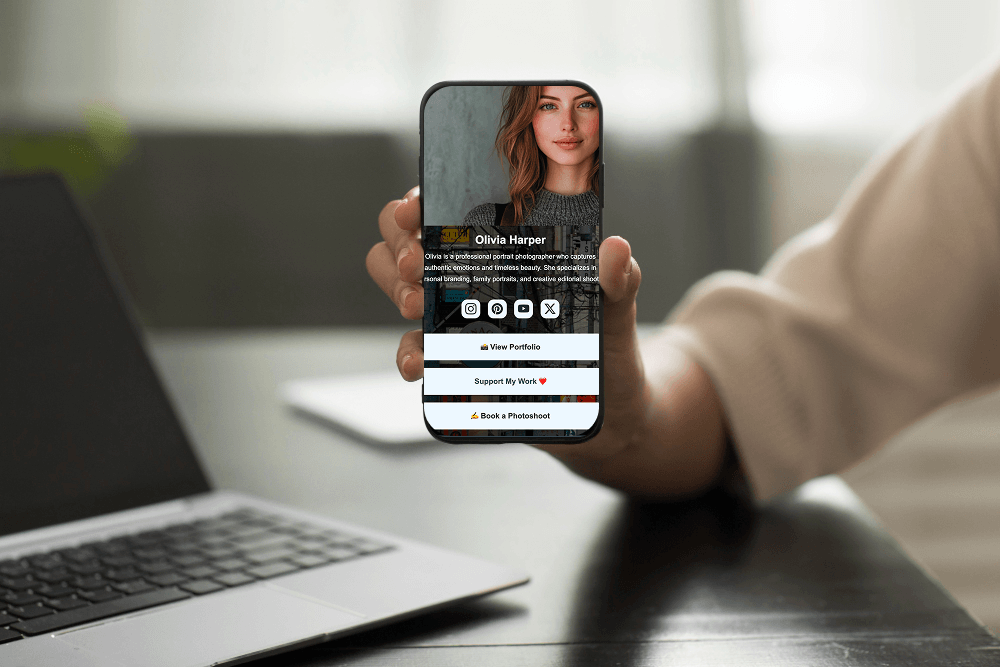
Create a Personal Link Hub with Pages for Every Project
Do you have a portfolio, a personal blog, freelance services, and a few side projects scattered across differe...
How to Optimize Page URLs for Better SEO
A website URL might look like a small technical detail, but it can influence how people understand your conten...
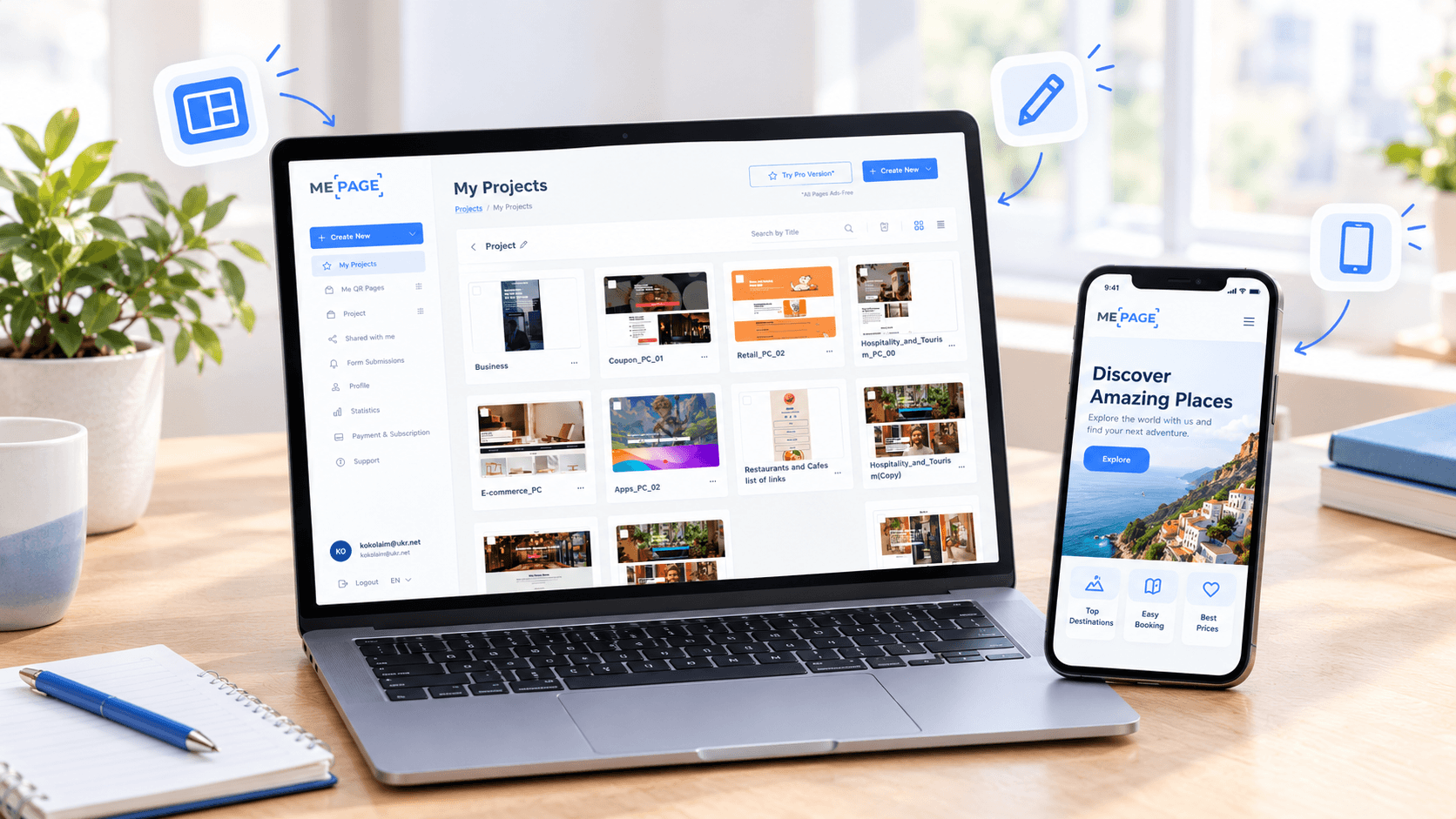
How to Design a Website Footer That Improves User Experience
A website footer might be the last thing visitors see, but that doesn't make it unimportant. When people reach...
How to Create an Effective Services Page for Your Business
When potential customers visit your business website, they want to understand what you offer, how you can help...
How to Create a Navigation Menu for a Multi-Page Website
A website can have excellent content, attractive visuals, and useful features, but visitors may still leave if...
One Website, Multiple Pages: When to Expand Your Site
Starting a website with a single page makes sense. You can introduce your business, showcase your work, add a ...
Create a Personal Link Hub with Pages for Every Project
Do you have a portfolio, a personal blog, freelance services, and a few side projects scattered across differe...
How to Optimize Page URLs for Better SEO
A website URL might look like a small technical detail, but it can influence how people understand your conten...
How to Design a Website Footer That Improves User Experience
A website footer might be the last thing visitors see, but that doesn't make it unimportant. When people reach...