Me-Page Team
Last modified 11 Jun 2026
Article Plan
For creators, freelancers, entrepreneurs, and businesses, having a single destination for online visitors has become essential. Traditionally, many people relied on link-in-bio tools to share multiple links from platforms like Instagram, TikTok, and X. However, as digital needs have evolved, many users are looking for a more powerful link in bio alternative.
This is where the comparison between ME-Page vs Linktree and other similar tools becomes important.
While both solutions help users organize online content, they serve different purposes. One focuses primarily on link sharing, while the other offers a more complete website-building experience.
Let’s explore the key differences and determine which option best fits your goals.
What Are Link-in-Bio Tools?
Link-in-bio tools were created to solve a simple problem: social media platforms often allow only one clickable link in a profile.
Instead of constantly changing that link, users can create a page containing multiple destinations, such as:
- Websites
- Social profiles
- Products
- Videos
- Contact forms
For example, a creator might use a link-in-bio page to share YouTube videos, merchandise, and newsletter signup links from a single URL. This makes content easier to access and manage.
However, traditional link-in-bio tools are often limited when it comes to customization and user experience.

What Is ME-Page?
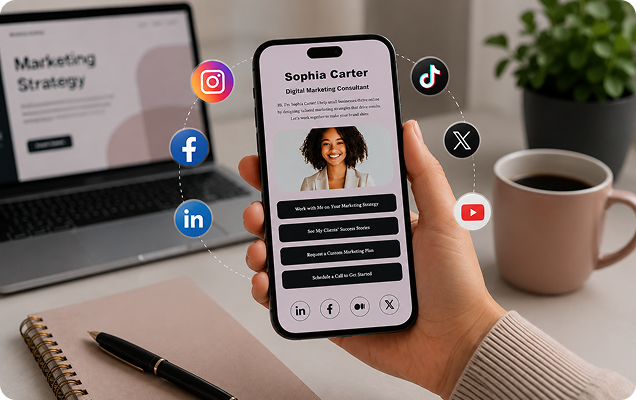
ME-Page goes beyond simple link aggregation.
Instead of functioning as a basic list of links, ME-Page allows users to build fully customized pages that resemble modern websites. This makes it a powerful link in bio alternative for users who want more control over branding, content presentation, and conversions.
For example, a coach can create sections for services, testimonials, booking forms, and educational resources. A creator can showcase videos, products, newsletters, and social channels in a structured layout.
Rather than simply directing visitors elsewhere, ME-Page helps create a complete destination.
Link in Bio Templates
ME-Page vs Linktree: Key Differences
When comparing ME-Page vs Linktree, the biggest distinction is flexibility.
Purpose
Linktree and similar tools focus primarily on organizing links. Their main goal is helping users share multiple destinations from one profile link. ME-Page, on the other hand, focuses on creating complete web experiences. It allows users to present content strategically rather than displaying a simple list.
Design Flexibility
Most link-in-bio tools offer basic customization options. Users can typically change colors, images, and button styles. ME-Page provides significantly more flexibility through customizable layouts and content sections. This allows users to build pages that align closely with their brand identity.
Content Presentation
Traditional link pages often display content in a vertical list format. While effective for simple navigation, this approach can feel limited. ME-Page supports structured layouts that organize information into dedicated sections. For example, visitors can browse services, testimonials, portfolios, and resources without leaving the page.
Business Growth Potential
A simple link hub works well for directing traffic, but businesses often need more functionality. ME-Page supports lead generation, content marketing, bookings, and conversion-focused experiences. This makes it more suitable for long-term growth strategies.

Feature Comparison
This comparison highlights why many users view ME-Page as a more advanced link in bio alternative.
Who Should Use Link-in-Bio Tools?
Traditional tools still work well for certain users.
Creators with Simple Needs: If your goal is simply sharing multiple social links, a basic link hub may be sufficient. For example, a hobby creator may only need access to YouTube, Instagram, and a newsletter link.
Users Looking for Quick Setup: Link-in-bio platforms are often designed for simplicity and can be configured in minutes. This makes them useful for users who don't need advanced customization.
However, as audiences and business goals grow, many users eventually outgrow these limitations.
Who Benefits Most from ME-Page?
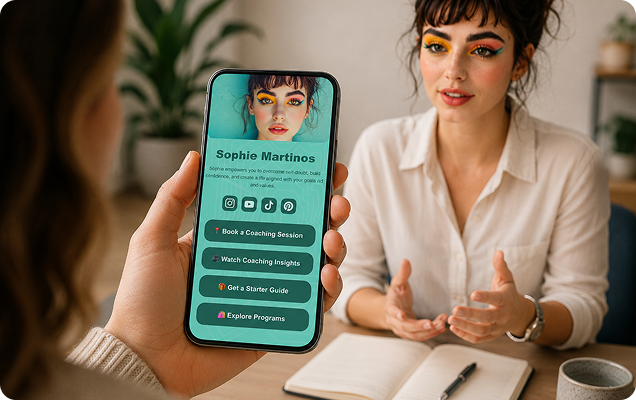
A coach can showcase services, client testimonials, educational resources, and booking options in one place. This creates a more professional and trustworthy online presence.
Instead of sending followers to a simple list of links, creators can build a branded experience. For example, videos, products, affiliate offers, and newsletters can all be organized into dedicated sections.
Freelancers often need portfolios, service descriptions, and contact forms. ME-Page allows these elements to exist within a single streamlined experience.
Businesses can use ME-Page to promote products, collect leads, share updates, and improve customer engagement without creating a complex website.

Why User Experience Matters
One of the biggest differences in the ME-Page vs Linktree discussion is visitor experience.
Guided Navigation: ME-Page helps users move through content naturally. Instead of choosing from a long list of links, visitors follow a structured journey that supports engagement and conversions.
Stronger Branding: Custom layouts help reinforce brand identity and professionalism. This creates a more memorable experience for visitors.
Higher Conversion Potential: When pages are designed around goals such as bookings, sales, or signups, users are more likely to take action. Strategic page structures often outperform basic link lists.
Common Mistakes When Choosing a Platform
Avoid selecting a platform based only on short-term needs.
Common mistakes include:
- Prioritizing simplicity over scalability
- Ignoring branding opportunities
- Using generic layouts
- Focusing only on link sharing
- Overlooking conversion goals
The right platform should support both current and future growth.

Conclusion
The choice between traditional link-in-bio tools and ME-Page depends on what you want to achieve online. If you only need a simple collection of links, a basic tool may work perfectly well.
However, if you're looking for a more powerful link in bio alternative, ME-Page offers significantly more flexibility, customization, and growth potential. In the ongoing comparison of ME-Page vs Linktree, the key difference is that ME-Page functions as much more than a link hub—it provides a structured, website-like experience designed to engage visitors and drive meaningful actions.
For creators, freelancers, coaches, and businesses looking to build a stronger online presence, ME-Page offers the tools needed to move beyond simple links and create a destination that truly represents their brand.
Frequently Asked Questions about ME-Page Link-in-Bio
For many users, yes. ME-Page offers link-sharing functionality while also providing more advanced website-building capabilities.
It allows users to create structured, branded pages instead of relying on a simple list of links.
Absolutely. Businesses can use it for lead generation, bookings, product promotion, and customer engagement.
Well-organized content improves user experience, strengthens branding, and increases the likelihood of conversions.
Was This Article Helpful?
Click on a star to rate it!
Average Rating: 5/5
Voutes: 2
Share with Friends:



Previous
Event Landing Pages That Drive Registrations

Next
How Website Updates Work on ME-Page (No Downtime Explained)
Recent Articles
Everything You Need to Know About Using ME-Page Constructor for Your Website.

How to Write Website Headlines That Attract More Visitors
A headline is often the first piece of text people notice when they open a website. Before they read your para...

How Freelancers Can Organize Services, Portfolio, and Contacts on...
Freelancers often wear many hats. One day you're working on a client project, the next you're answering inquir...
How to Choose the Right Website Structure for Your Project
Before you choose colors, fonts, images, or buttons for your website, there is one decision worth making first...
Why Every Business Website Needs an FAQ Page
When people visit a business website, they rarely arrive without questions. They may want to know how a servic...
Best Homepage Sections Every Small Business Website Should Include
Your homepage is often the first place potential customers visit when they discover your business online. In j...

SEO Checklist Before Publishing Your Website
Launching a new website is exciting, but hitting the Publish button shouldn't be the final step. Before your w...
How to Write Website Headlines That Attract More Visitors
A headline is often the first piece of text people notice when they open a website. Before they read your para...
How Freelancers Can Organize Services, Portfolio, and Contacts on...
Freelancers often wear many hats. One day you're working on a client project, the next you're answering inquir...
How to Choose the Right Website Structure for Your Project
Before you choose colors, fonts, images, or buttons for your website, there is one decision worth making first...
Why Every Business Website Needs an FAQ Page
When people visit a business website, they rarely arrive without questions. They may want to know how a servic...
Best Homepage Sections Every Small Business Website Should Include
Your homepage is often the first place potential customers visit when they discover your business online. In j...
SEO Checklist Before Publishing Your Website
Launching a new website is exciting, but hitting the Publish button shouldn't be the final step. Before your w...