Last modified 9 Apr 2026
Article Plan
- Why Website Speed Matters
- How Website Speed Affects SEO
- How Speed Impacts User Experience
- Key Factors That Affect Website Speed
- How to Improve Website Speed
- Speed Benchmarks You Should Know
- Common Mistakes to Avoid
- Real-Life Benefits of a Fast Website
- Conclusion
- Frequently Asked Questions about Improve SEO and User Experience
Speed matters more than ever. If your website takes too long to load, visitors won’t wait they’ll leave. And when that happens, both your rankings and conversions suffer.
That’s why focusing on website speed SEO and proper page load optimization is essential. A fast website doesn’t just feel better, it performs better in every way. Let’s explore why speed is critical and how you can improve it using tools like ME-Page.
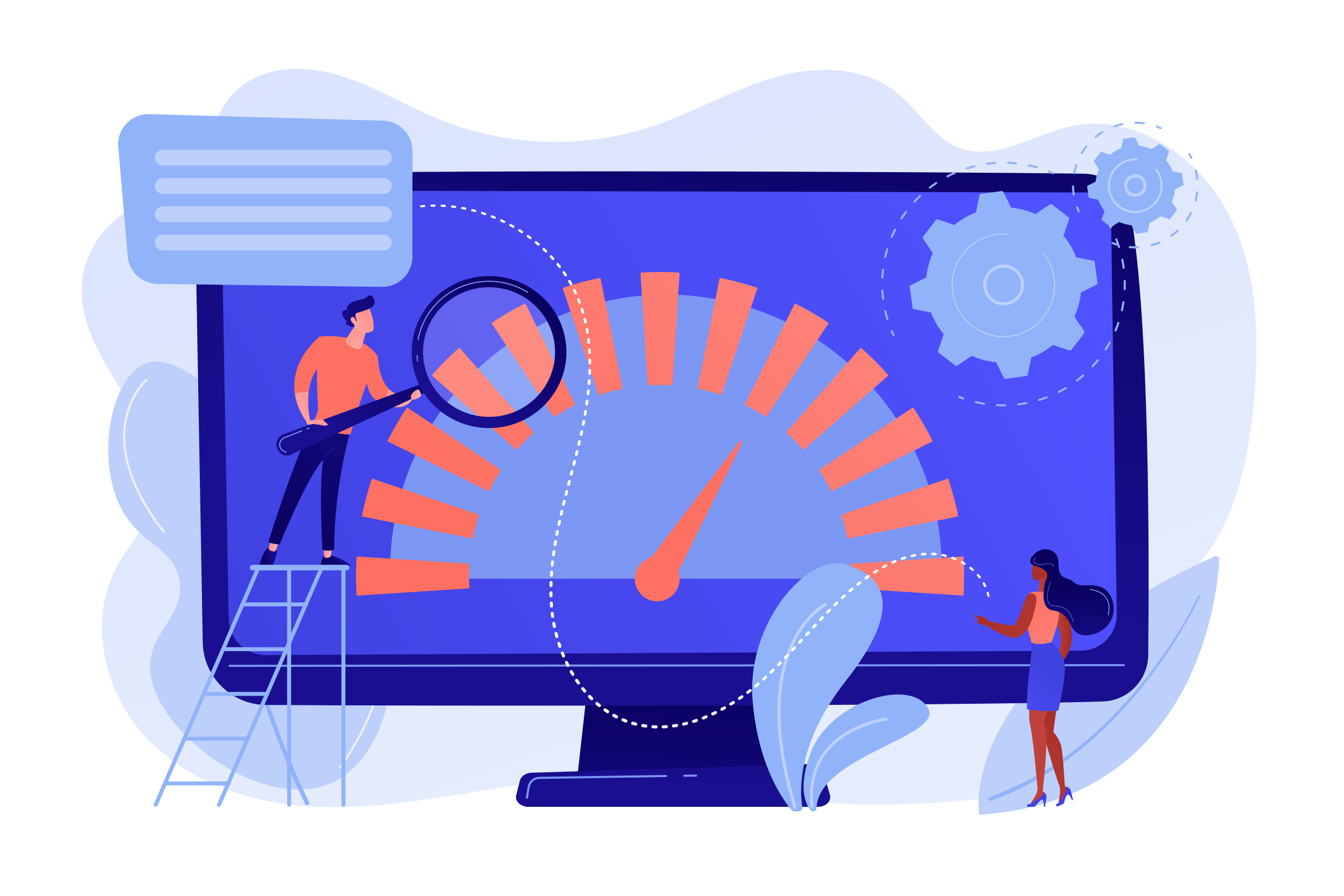
Why Website Speed Matters
A slow website creates friction. A fast one creates momentum.
When users visit your site, they expect:
- Instant loading
- Smooth navigation
- Quick access to content
If they don’t get that, they leave and often don’t come back.
How Website Speed Affects SEO
1. Search Engines Prioritize Fast Websites
Search engines use speed as a ranking factor. Faster websites are more likely to appear higher in search results because they provide a better user experience.
In addition, search engines aim to deliver the best possible results to users, and slow websites don’t meet that standard. A faster site increases your chances of being indexed more efficiently and ranked competitively. Over time, consistent speed optimization can strengthen your overall domain authority and visibility.
2. Lower Bounce Rates
If a page loads slowly, users leave before it even finishes loading.
Faster sites:
- Keep users engaged
- Encourage exploration
- Reduce bounce rates
This sends positive signals to search engines. When visitors stay longer and interact with your content, it indicates relevance and quality, which can further improve your rankings.
3. Better Crawling Efficiency
Search engine bots have limited time to crawl your site.
With proper page load optimization, they can:
- Index more pages
- Understand your content faster
- Improve overall visibility
Faster load times allow bots to process your site more efficiently, increasing the likelihood that all your important pages are discovered and ranked properly.

How Speed Impacts User Experience

1. First Impressions Matter
Your website speed is often the first thing users notice—even if they don’t realize it consciously. A fast-loading page creates a sense of professionalism and reliability.
Users tend to associate speed with trust, so a slow website can immediately damage your credibility. On the other hand, a quick-loading page builds confidence and encourages users to stay and explore further. This first impression can directly influence whether a visitor becomes a customer or leaves your site.
Using platforms like ME-Page, which offer optimized website templates, helps ensure your site loads quickly from the start. These pre-optimized designs reduce delays and give visitors a smooth, high-quality experience right away.
2. Higher Engagement
When pages load quickly, users are more likely to:
- Stay longer
- Click through pages
- Interact with content
Fast performance reduces frustration and creates a smoother browsing experience. This encourages users to explore more pages and engage with your content in a meaningful way.
3. Increased Conversions
Speed directly affects conversions.
Whether it’s:
- Signing up
- Making a purchase
- Filling out a form
A faster site leads to better results. Even small improvements in load time can significantly increase conversion rates, especially for eCommerce and service-based websites.

Key Factors That Affect Website Speed
How to Improve Website Speed

1. Optimize Images
Images are often the biggest contributors to slow load times.
Make sure to:
- Compress files
- Use modern formats
- Avoid oversized visuals
Optimized images maintain quality while reducing file size, which significantly improves loading speed without affecting design.
2. Use a Fast Platform
Your platform plays a huge role in performance.
With ME-Page, you benefit from:
- Lightweight structure
- Optimized performance
- Faster page delivery
Choosing the right platform eliminates many technical bottlenecks and ensures your site runs efficiently from the start.
3. Enable Caching
Caching stores parts of your site so they load faster on repeat visits.
This improves:
- Speed
- User experience
- Server efficiency
It also reduces the load on your server, allowing your website to handle more traffic without slowing down.
4. Reduce Redirects
Too many redirects slow down loading time.
Each redirect creates an additional request-response cycle, which increases the time it takes for a page to fully load. This can negatively impact both user experience and website speed SEO performance. Keeping navigation direct and minimizing unnecessary redirects helps ensure faster page delivery and smoother browsing.

Speed Benchmarks You Should Know
- 0–2 seconds → Excellent
- 2–3 seconds → Acceptable
- 3+ seconds → Risk of high bounce rate
Even a one-second delay can significantly impact user behavior. Faster websites consistently outperform slower ones in both engagement and conversions.
Common Mistakes to Avoid
- Uploading large, unoptimized images
- Using too many plugins
- Ignoring mobile performance
- Not testing site speed regularly
Avoiding these mistakes ensures your optimization efforts are effective and sustainable over time.
Real-Life Benefits of a Fast Website
Better Search Rankings: Fast sites perform better in search results and are more likely to rank higher.
More Traffic: Improved visibility leads to more visitors discovering your website.
Higher Engagement: Users stay longer and interact more with fast-loading pages.
Increased Revenue: Better performance leads to higher conversion rates and more sales opportunities.
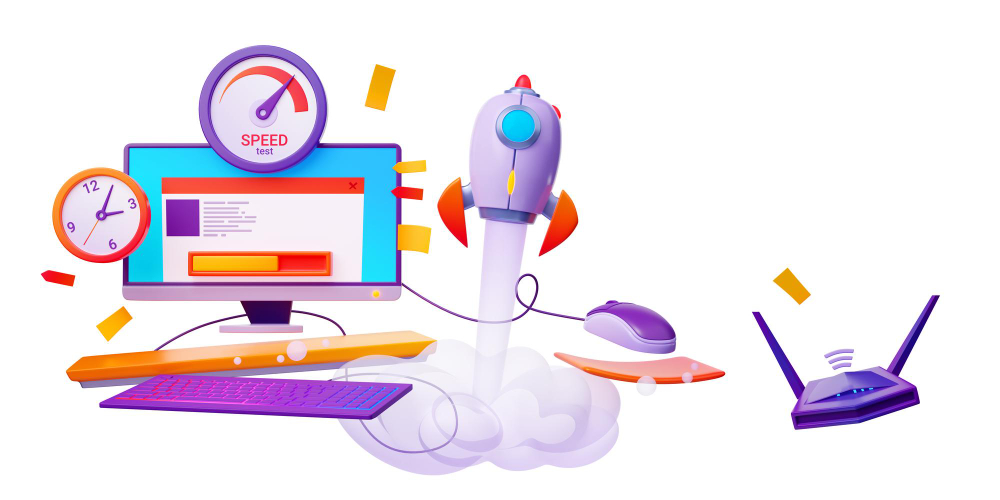
Conclusion
Website speed isn’t just a technical detail, it’s a core part of your online success. By focusing on website speed SEO and implementing proper page load optimization, you create a better experience for both users and search engines.
The result is clear: faster load times, better rankings, and higher conversions. A fast website builds trust, improves engagement, and gives you a competitive edge in a crowded digital space.
Using platforms like ME-Page makes it easier to maintain a fast, optimized website without dealing with complex technical issues. It allows you to focus on growth while your site performs at its best.
If you want to stay competitive online, speed should always be a top priority.
Frequently Asked Questions about Improve SEO and User Experience
Website speed is a confirmed ranking factor used by search engines. Faster websites provide a better user experience, which search engines prioritize when ranking pages. Over time, improved speed can lead to higher visibility and more organic traffic.
Page load optimization is the process of improving how quickly your website loads. It includes techniques like image compression, caching, and reducing heavy elements. The goal is to deliver content to users as quickly and efficiently as possible.
Yes, especially if you use platforms like ME-Page. These tools handle many performance optimizations automatically. This allows you to maintain a fast website without needing advanced technical knowledge.
Yes, mobile users are often on slower networks, making speed even more critical. A slow mobile experience can lead to higher bounce rates and lost traffic. Optimizing for mobile speed ensures better engagement and performance across all devices.
Was This Article Helpful?
Click on a star to rate it!
Average Rating: 4.5/5
Voutes: 2
Share with Friends:



Previous
How to Design a Mobile-First Website with ME-Page

Next
Personal Websites in 2026: What to Include and What to Skip
Recent Articles
Everything You Need to Know About Using ME-Page Constructor for Your Website.

How to Link Pages Together for Better Website Navigation
A multi-page website gives you more room to organize information, but adding pages is only half the job. Visit...

Build a Personal Website That Stands Out in 2026
Your social media profiles can show what you do, but they do not give you complete control over your online pr...

Managing Multiple Websites from One ME-Page Account
Running more than one website used to be complicated. Different logins, scattered tools, and endless switching...
How to Organize Content Across Multiple Website Pages
A multi-page website gives you room to explain your business, services, products, and ideas without putting ev...

Essential Pages Every Business Website Should Include
A business website doesn't need dozens of pages to look professional. What it does need is a clear structure t...

How to Write Website Headlines That Attract More Visitors
A headline is often the first piece of text people notice when they open a website. Before they read your para...
How to Link Pages Together for Better Website Navigation
A multi-page website gives you more room to organize information, but adding pages is only half the job. Visit...
Build a Personal Website That Stands Out in 2026
Your social media profiles can show what you do, but they do not give you complete control over your online pr...
Managing Multiple Websites from One ME-Page Account
Running more than one website used to be complicated. Different logins, scattered tools, and endless switching...
How to Organize Content Across Multiple Website Pages
A multi-page website gives you room to explain your business, services, products, and ideas without putting ev...
Essential Pages Every Business Website Should Include
A business website doesn't need dozens of pages to look professional. What it does need is a clear structure t...
How to Write Website Headlines That Attract More Visitors
A headline is often the first piece of text people notice when they open a website. Before they read your para...