Me-Page Team
Last modified 12 Mar 2026
Article Plan
- What Is a One-Page Website?
- Benefits of One-Page Websites
- When a Multi-Page Website Makes More Sense
- Advantages of Multi-Page Websites
- Comparing One-Page and Multi-Page Websites
- Which Businesses Benefit from One-Page Websites?
- Which Businesses Need Multi-Page Websites?
- Conclusion
- Frequently Asked Questions about One-Page vs Multi-Page Websites for Business
When building a website for your company, one of the first decisions you’ll face is choosing the right structure. Should you create a one-page website, where everything appears on a single scrolling page? Or is a multi-page business website the better option for your goals?
Both approaches can work well depending on the type of business you run, the amount of information you need to present, and how your customers search for your services. Understanding the strengths of each option will help you choose the best business site structure for your brand.
With platforms like ME-Page, it’s easy to build either type of website without coding. You can start with a single page and expand into multiple pages as your business grows.
Let’s explore the differences and see which structure fits your business best.

What Is a One-Page Website?
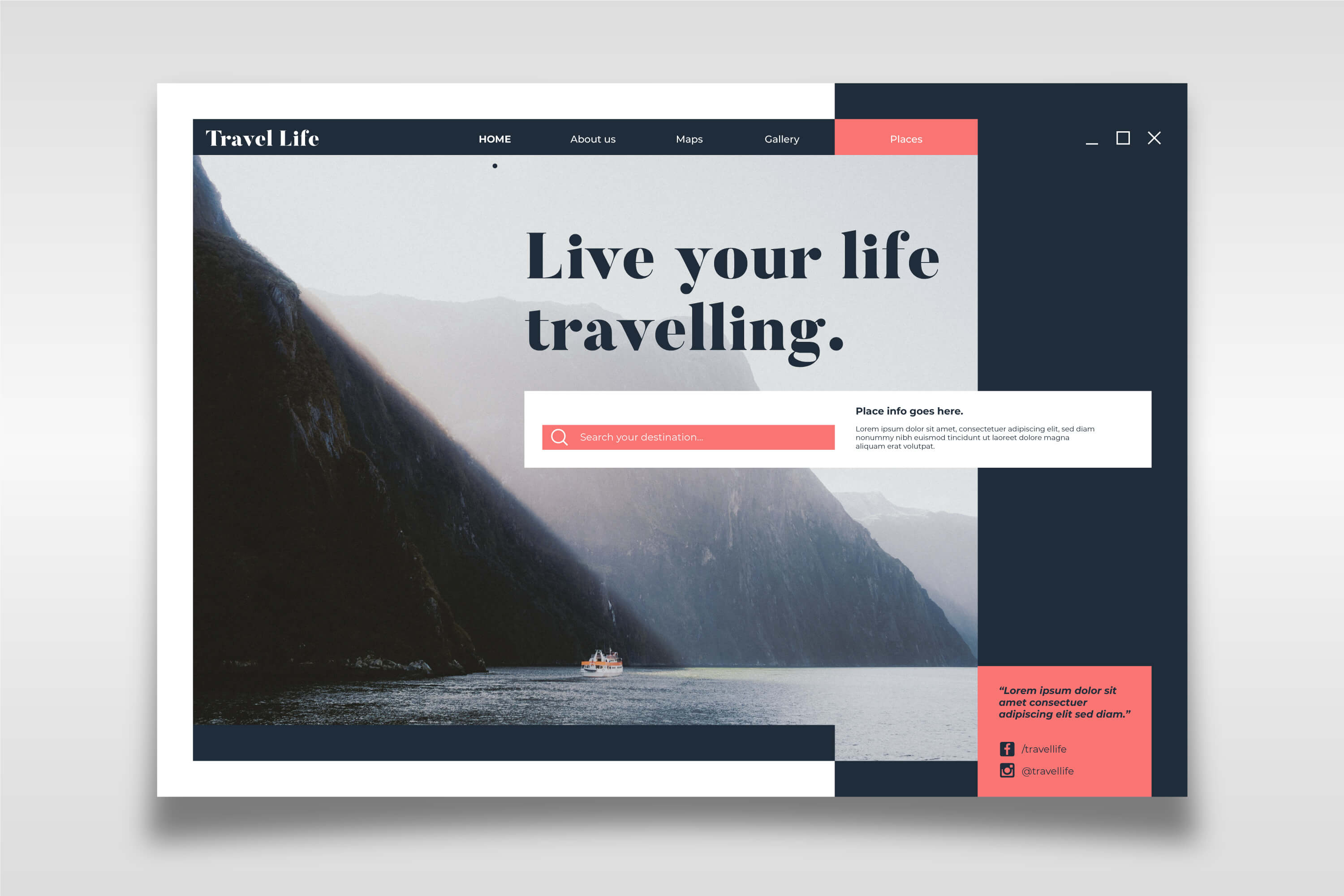
A one-page website places all content on a single scrolling page. Instead of navigating between multiple pages, visitors move through sections like:
- Introduction or hero section
- About the company
- Services or products
- Testimonials
- Contact information
Navigation menus simply jump to different sections of the same page.
This structure works well for simple websites that need to communicate information quickly.
Benefits of One-Page Websites
One-page websites are popular for startups, events, and personal brands because they offer several advantages:
- Simple and clean layout
- Easy for visitors to navigate
- Faster to build and launch
- Strong storytelling flow
- Ideal for mobile browsing
Because everything is on one page, visitors can quickly scroll through the entire story of your business.
When a Multi-Page Website Makes More Sense
A multi-page business website organizes content into several separate pages. For example:
- Home
- About
- Services
- Portfolio or products
- Blog
- Contact
Each page focuses on a specific topic.
This structure is common for companies that offer multiple services, have a lot of information to share, or want stronger SEO performance.
Advantages of Multi-Page Websites
Multi-page sites offer greater flexibility and scalability.
Benefits include:
- Better organization for large amounts of content
- Improved SEO opportunities
- Ability to target different keywords on different pages
- Easier expansion as the business grows
- Clearer navigation for complex services
For businesses planning long-term growth, this structure is often the most practical.

Comparing One-Page and Multi-Page Websites

Which Businesses Benefit from One-Page Websites?
A one-page website works best for businesses that need a simple online presence.
Examples include:
- Freelancers
- Personal coaches
- Event promotions
- Restaurants with small menus
- Landing pages for specific services
These sites focus on quick communication and clear calls to action.
If your goal is to introduce your brand and collect leads, a single page can be enough
Which Businesses Need Multi-Page Websites?
A multi-page business website is usually better for businesses with multiple services or complex information.
Examples include:
- Agencies
- Online stores
- Consulting firms
- Real estate businesses
- Companies with large portfolios
These websites need more space to organize content effectively.
Each service can have its own page, which helps both visitors and search engines understand your offerings.
Conclusion
Choosing between a one-page website and a multi-page business website depends on your business goals, the amount of content you need, and how you want customers to navigate your site. One-page websites are simple, fast to build, and great for focused messages or smaller businesses. Multi-page sites offer better organization, stronger SEO opportunities, and more room for growth.
The most important thing is creating a clear business site structure that helps visitors quickly understand your services and take action. With ME-Page, you can easily build either structure, customize your pages, and expand your website whenever your business needs more space. Starting simple and scaling later is often the smartest strategy for modern businesses.
Frequently Asked Questions about One-Page vs Multi-Page Websites for Business
Yes. A well-optimized one-page website can rank for targeted keywords, especially if the business focuses on a single service.
Yes. Many website builders allow you to add new pages and restructure your site as your content grows.
It depends on the type of content. For short stories or simple services, scrolling works well. For detailed information, clicking between pages is often easier.
Most business websites start with 4–6 main pages, such as Home, About, Services, and Contact, and expand as needed.
Was This Article Helpful?
Click on a star to rate it!
Average Rating: 5/5
Voutes: 1
Share with Friends:



Previous
Content That Ranks: How to Structure Pages for SEO

Next
Restaurant Websites That Convert Visitors into Guests
Recent Articles
Everything You Need to Know About Using ME-Page Constructor for Your Website.

Essential Pages Every Business Website Should Include
A business website doesn't need dozens of pages to look professional. What it does need is a clear structure t...

How to Write Website Headlines That Attract More Visitors
A headline is often the first piece of text people notice when they open a website. Before they read your para...

How Freelancers Can Organize Services, Portfolio, and Contacts on...
Freelancers often wear many hats. One day you're working on a client project, the next you're answering inquir...
How to Choose the Right Website Structure for Your Project
Before you choose colors, fonts, images, or buttons for your website, there is one decision worth making first...
Why Every Business Website Needs an FAQ Page
When people visit a business website, they rarely arrive without questions. They may want to know how a servic...

Best Homepage Sections Every Small Business Website Should Include
Your homepage is often the first place potential customers visit when they discover your business online. In j...
Essential Pages Every Business Website Should Include
A business website doesn't need dozens of pages to look professional. What it does need is a clear structure t...
How to Write Website Headlines That Attract More Visitors
A headline is often the first piece of text people notice when they open a website. Before they read your para...
How Freelancers Can Organize Services, Portfolio, and Contacts on...
Freelancers often wear many hats. One day you're working on a client project, the next you're answering inquir...
How to Choose the Right Website Structure for Your Project
Before you choose colors, fonts, images, or buttons for your website, there is one decision worth making first...
Why Every Business Website Needs an FAQ Page
When people visit a business website, they rarely arrive without questions. They may want to know how a servic...
Best Homepage Sections Every Small Business Website Should Include
Your homepage is often the first place potential customers visit when they discover your business online. In j...