Me-Page Team
Last modified 5 Mar 2026
Article Plan
- Why Website Structure Matters More Than You Think
- Start With Your Main Pages (The Foundation)
- Use Subpages to Organize Details
- Plan Your Website Like a Map
- How ME-Page Makes Structure Easy
- Best Practices for Page Hierarchy
- Example Website Structures by Business Type
- Common Structure Mistakes to Avoid
- SEO Benefits of Good Organization
- Conclusion
- Frequently Asked Questions about Creating a Clear Website Structure with Pages and Subpages
A messy website is like a store with no signs. Visitors walk in… look around… get confused… and leave. Not because your product is bad — but because they can’t find anything.
That’s exactly why having a smart website structure guide, a clear page hierarchy, and logical subpage organization matters more than fancy design.
Structure isn’t just about looks. It affects:
- User experience
- SEO rankings
- Conversions
- How professional your brand feels
The good news? You don’t need to be a developer to organize things properly. With tools like ME-Page, you can create pages and subpages visually and keep everything clean and easy.
Let’s walk through it step by step.

Why Website Structure Matters More Than You Think
Imagine visiting a restaurant website and seeing everything on one endless page — menu, booking form, gallery, reviews, contacts — all mixed together.
Overwhelming, right?
Now imagine:
- Home
- Menu
- Reservations
- Gallery
- Contact
Much easier.
That’s the power of structure.
A clear layout helps visitors:
- Navigate faster
- Find information quickly
- Trust your business more
- Stay longer on your site
Search engines also love structured websites because they’re easier to crawl and index.
So better structure = better rankings.
Start With Your Main Pages (The Foundation)
Think of your main pages as the “chapters” of your website.
These should cover your most important content only.
Typical main pages include:
- Home
- About
- Services or Products
- Pricing
- Blog or Portfolio
- Contact
Don’t overdo it. Too many top-level pages create confusion. Keep your navigation simple and focused.
Rule of thumb: if everything is important, nothing is important.

Use Subpages to Organize Details
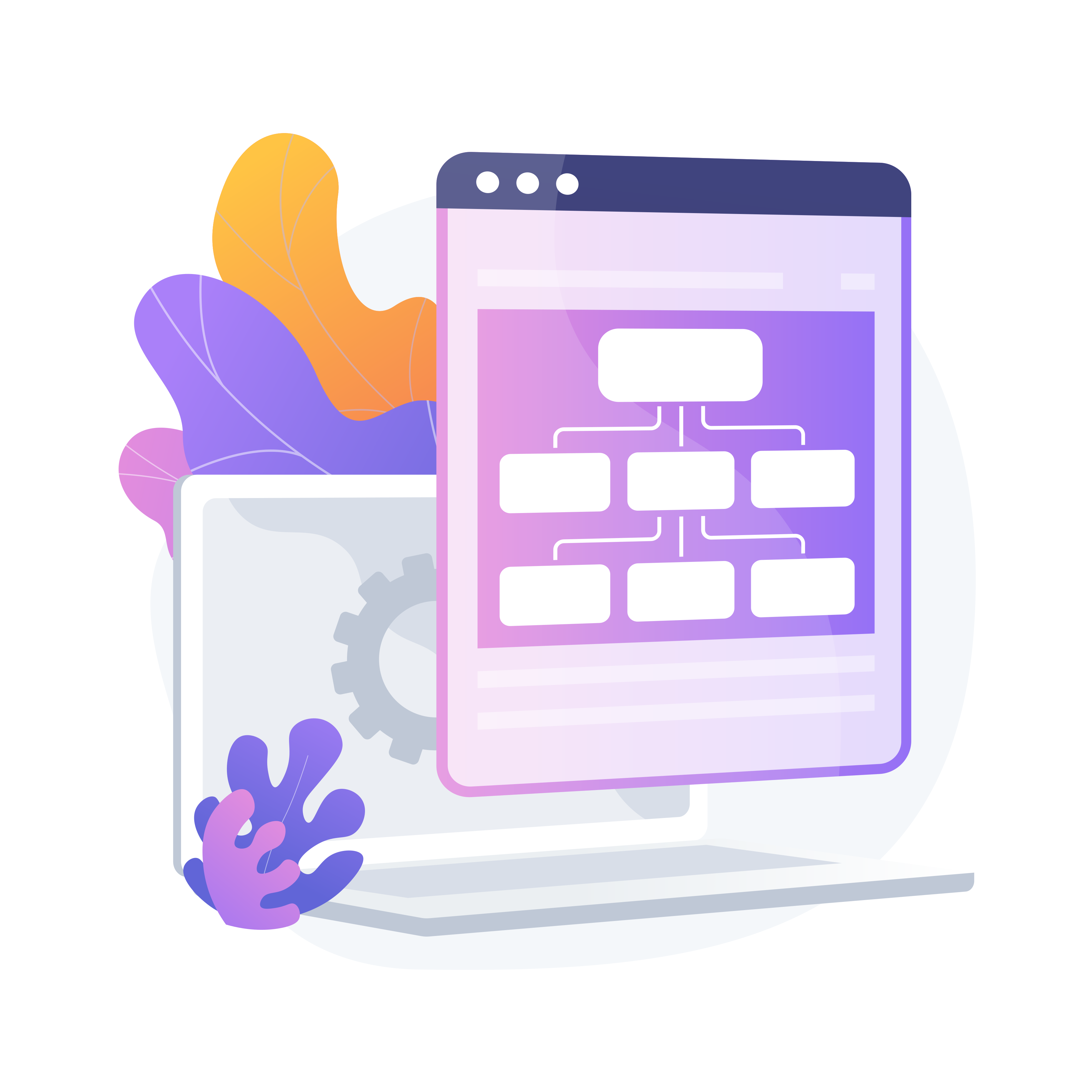
Here’s where subpage organization shines. Subpages break big topics into smaller, easier sections.
Instead of one giant “Services” page, try:
Services
- Web Design
- SEO
- Consulting
Instead of one long “Shop” page:
Shop
- T-Shirts
- Accessories
- Bundles
This creates a clear page hierarchy:
Main topic → specific details.
It’s cleaner for users and better for SEO.
Plan Your Website Like a Map
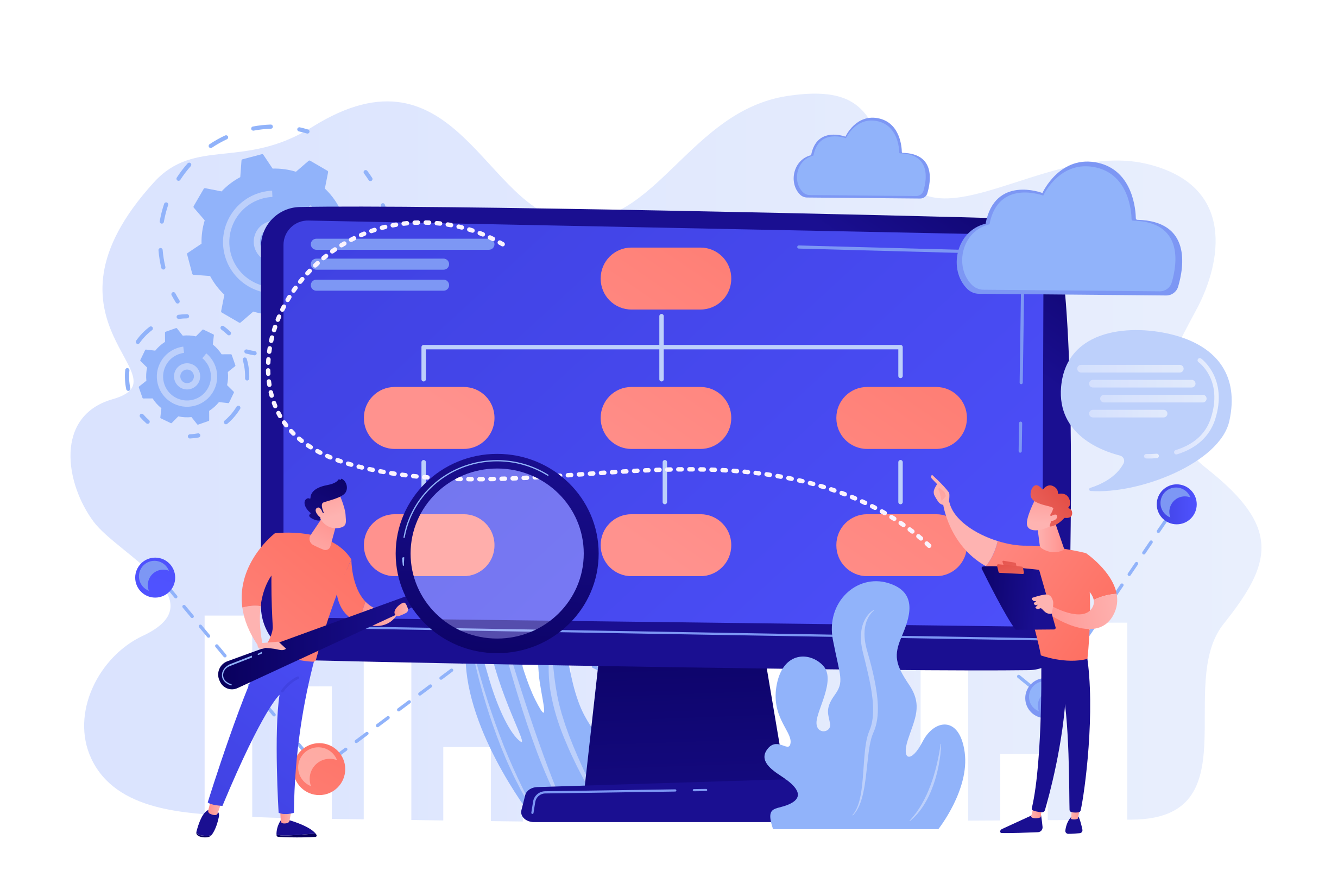
Before building, sketch your structure.
Literally draw it.
Example:
Home
→ About- Service 1
- Service 2
This simple map saves hours of redesign later.
When you know where each page belongs, building becomes much faster

How ME-Page Makes Structure Easy
Many people avoid multi-page websites because they sound technical.
But with ME-Page, it’s visual and simple.
You can:
- Add new pages in seconds
- Create subpages under any section
- Rename or reorder pages
- Link pages in your menu
- Manage everything without coding
It feels more like organizing folders than building a website.
That’s why even beginners can create professional structures.
Best Practices for Page Hierarchy
Let’s keep things practical.
Follow these tips:
- Keep navigation shallow: Visitors shouldn’t click 5 times to find something. 2–3 levels max is perfect.
- Use clear names: Avoid clever titles like “Magic Solutions.” Say “Services” instead.
- Group related content: Keep similar topics together.
- Avoid clutter: If a page has too much info, split it into subpages.
- Think mobile-first: Menus should stay simple on small screens.

Example Website Structures by Business Type
Here’s a quick overview to inspire you:

Common Structure Mistakes to Avoid
Even good websites make these mistakes.
Watch out for:
- One huge scrolling page with everything
- Too many menu links
- Duplicate information
- Hidden contact details
- Random page names
If users need to “hunt” for information, something’s wrong.
Your structure should feel obvious.
SEO Benefits of Good Organization
A strong structure doesn’t just help users — it boosts rankings.
Search engines:
- Understand your content better
- Index more pages
- Rank specific services individually
- Show rich results
More pages (organized properly) = more opportunities to rank.
So instead of one page trying to rank for everything, each subpage targets its own keywords. That’s powerful.

Conclusion
Creating a clear website structure isn’t complicated — it’s about thinking logically and putting your visitors first. When you build smart page hierarchy and thoughtful subpage organization, your site becomes easier to navigate, easier to understand, and much more professional. People stay longer, find what they need faster, and trust your brand more.
And the best part? You don’t need technical skills or developers. With ME-Page, you can add pages, create subpages, and manage your structure visually in minutes. It’s simple, flexible, and perfect for beginners and growing businesses alike. Plan your structure like a map, keep it clean, and your website will work with you — not against you.
Frequently Asked Questions about Creating a Clear Website Structure with Pages and Subpages
Usually 4–6 main pages are enough to cover essential information without overwhelming visitors.
Yes. Subpages allow you to target specific keywords and rank for more search queries.
If the service is important or has unique details, yes. Dedicated pages perform better in search results.
Not necessarily. Each page loads only its own content, which can actually improve speed compared to one large page.
Was This Article Helpful?
Click on a star to rate it!
Average Rating: 4.5/5
Voutes: 2
Share with Friends:


Previous
Local SEO Basics: Get Found by Customers Near You

Next
Content That Ranks: How to Structure Pages for SEO
Recent Articles
Everything You Need to Know About Using ME-Page Constructor for Your Website.

Essential Pages Every Business Website Should Include
A business website doesn't need dozens of pages to look professional. What it does need is a clear structure t...

How to Write Website Headlines That Attract More Visitors
A headline is often the first piece of text people notice when they open a website. Before they read your para...

How Freelancers Can Organize Services, Portfolio, and Contacts on...
Freelancers often wear many hats. One day you're working on a client project, the next you're answering inquir...

How to Choose the Right Website Structure for Your Project
Before you choose colors, fonts, images, or buttons for your website, there is one decision worth making first...
Why Every Business Website Needs an FAQ Page
When people visit a business website, they rarely arrive without questions. They may want to know how a servic...

Best Homepage Sections Every Small Business Website Should Include
Your homepage is often the first place potential customers visit when they discover your business online. In j...
Essential Pages Every Business Website Should Include
A business website doesn't need dozens of pages to look professional. What it does need is a clear structure t...
How to Write Website Headlines That Attract More Visitors
A headline is often the first piece of text people notice when they open a website. Before they read your para...
How Freelancers Can Organize Services, Portfolio, and Contacts on...
Freelancers often wear many hats. One day you're working on a client project, the next you're answering inquir...
How to Choose the Right Website Structure for Your Project
Before you choose colors, fonts, images, or buttons for your website, there is one decision worth making first...
Why Every Business Website Needs an FAQ Page
When people visit a business website, they rarely arrive without questions. They may want to know how a servic...
Best Homepage Sections Every Small Business Website Should Include
Your homepage is often the first place potential customers visit when they discover your business online. In j...