Me-Page Team
Last modified 13 Jan 2026
Article Plan
- Single-Page vs Multi-Page Websites in ME-Page
- Website Indexing: How ME-Page Handles Both Structures
- SEO Benefits of Multi-Page Websites Built with ME-Page
- SEO Advantages of Single-Page Websites on ME-Page
- Multi-Page vs Single-Page SEO Comparison
- Search Intent and SEO Structure in ME-Page
- Long-Term SEO Strategy with ME-Page
- Conclusion
- Frequently Asked Questions about SEO Benefits of Multi-Page Websites vs Single-Page Sites
Choosing the right website structure is a key SEO decision, especially when building your site with ME-Page. Whether you launch a simple single-page layout or expand into a full multi-page website, the structure directly affects how search engines crawl, index, and rank your content.
ME-Page supports both approaches, making it flexible for creators, businesses, and brands at every stage. Understanding the SEO differences between single-page and multi-page websites helps you make the most of ME-Page’s capabilities.
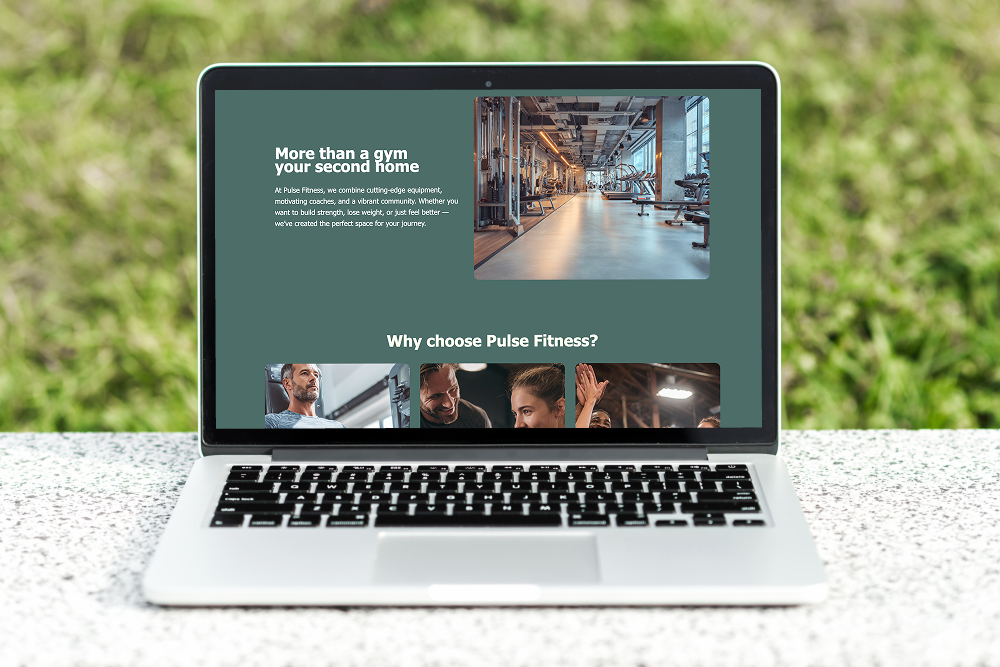
Single-Page vs Multi-Page Websites in ME-Page
A single-page website on ME-Page displays all content, services, pricing, portfolio, and contact details—on one scrollable page. Navigation moves users between sections instead of loading new URLs.
A multi-page website created with ME-Page separates content into dedicated pages such as Home, About, Services, Blog, or Contact, each with its own URL. This structure is especially powerful for SEO growth and content expansion.
Website Indexing: How ME-Page Handles Both Structures
Search engines index websites by crawling URLs. With ME-Page:
- Single-page sites usually provide one primary URL for indexing
- Multi-page sites provide multiple URLs, each indexed independently
SEO Benefits of Multi-Page Websites Built with ME-Page

Precise Keyword Targeting
ME-Page makes it easy to assign a clear purpose to each page. Every page can target its own keyword set, improving relevance and rankings. For example:
- One page optimized for coaching services
- Another page focused on pricing or testimonials
This structured approach is ideal for multi-page SEO.
Strong Internal Linking
Multi-page websites on ME-Page support internal linking between pages, helping search engines:
- Discover content faster
- Understand page relationships
- Distribute SEO value across the site
Better Content Depth
Instead of compressing information into short sections, ME-Page multi-page layouts allow deeper, more detailed content, something search engines reward with better rankings.
Scalable SEO Growth
ME-Page allows you to add new pages at any time. Blogs, landing pages, or service expansions can be added without disrupting existing SEO performance.
SEO Advantages of Single-Page Websites on ME-Page
Simplicity and Speed
Single-page ME-Page websites are fast to launch and easy to manage. They work well for:
- Personal brands
- Event pages
- Product launches
Focused SEO Strategy
With one main page, optimization is straightforward. All SEO signals—headings, keywords, and internal anchors—are concentrated on a single URL, which can work well for niche searches.
Strong Engagement Metrics
Well-designed ME-Page single-page sites can encourage scrolling and interaction, improving engagement signals such as time on page.

Multi-Page vs Single-Page SEO Comparison

Search Intent and SEO Structure in ME-Page
Search intent is easier to satisfy with a multi-page website. ME-Page allows you to create pages that clearly match:
- Informational intent (articles, guides)
- Commercial intent (services, pricing)
- Navigational intent (about, contact)
Single-page websites often mix these intents on one page, which can confuse search engines and limit rankings.
Long-Term SEO Strategy with ME-Page
If your goal is sustainable growth, multi-page websites built with ME-Page offer a clear advantage. They allow:
- Continuous content expansion
- Easier optimization of individual pages
- Better backlink strategies targeting specific URLs
Many users start with a single-page ME-Page site and later expand into a multi-page structure as their SEO needs grow.
Conclusion
ME-Page gives you the flexibility to build both single-page and multi-page websites, but from an SEO perspective, the difference is clear. Single-page sites are ideal for simplicity and focused messaging, while multi-page websites unlock stronger website indexing, broader keyword coverage, and long-term SEO scalability.
For creators and businesses aiming to grow visibility over time, a multi-page website built with ME-Page offers more ranking opportunities, better search intent matching, and a future-ready SEO foundation.
Frequently Asked Questions about SEO Benefits of Multi-Page Websites vs Single-Page Sites
Yes. ME-Page supports multi-page structures, internal linking, and scalable content—ideal for long-term SEO growth.
Absolutely. ME-Page allows you to add new pages at any time without rebuilding your site.
ME-Page provides an SEO-friendly structure, but content quality and optimization still play a key role.
No. ME-Page’s editor makes managing multiple pages simple, even for beginners.
Was This Article Helpful?
Click on a star to rate it!
Average Rating: 5/5
Voutes: 1
Share with Friends:



Previous
ME-Page in 2026: What’s New and What’s Coming Next

Next
How Multi-Page Websites Help Businesses Convert More Visitors
Recent Articles
Everything You Need to Know About Using ME-Page Constructor for Your Website.

How Freelancers Can Organize Services, Portfolio, and Contacts on...
Freelancers often wear many hats. One day you're working on a client project, the next you're answering inquir...

How to Choose the Right Website Structure for Your Project
Before you choose colors, fonts, images, or buttons for your website, there is one decision worth making first...
Why Every Business Website Needs an FAQ Page
When people visit a business website, they rarely arrive without questions. They may want to know how a servic...

Best Homepage Sections Every Small Business Website Should Include
Your homepage is often the first place potential customers visit when they discover your business online. In j...

SEO Checklist Before Publishing Your Website
Launching a new website is exciting, but hitting the Publish button shouldn't be the final step. Before your w...
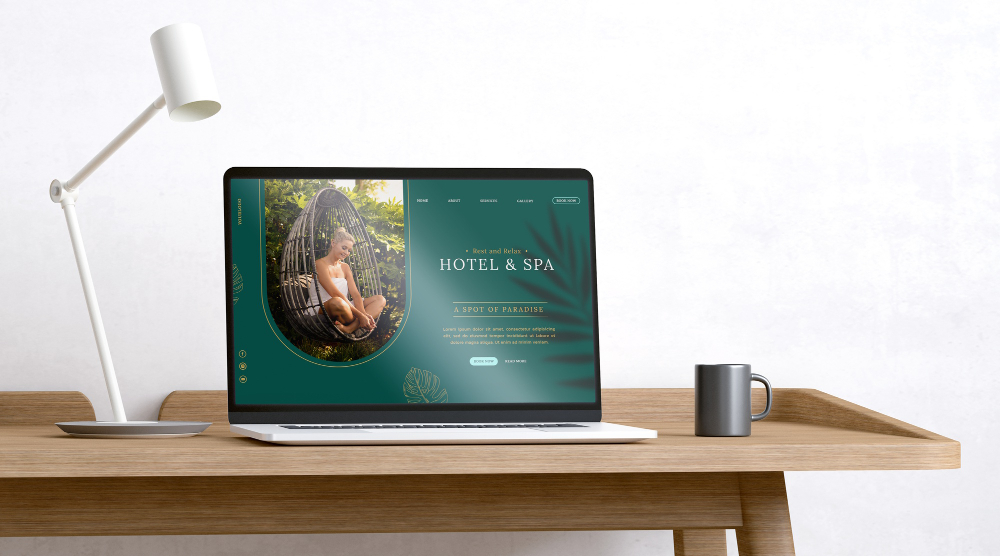
Best Call-to-Action Examples for Business Websites
A visitor lands on your website, reads your content, checks your services, and likes what they see. But what h...
How Freelancers Can Organize Services, Portfolio, and Contacts on...
Freelancers often wear many hats. One day you're working on a client project, the next you're answering inquir...
How to Choose the Right Website Structure for Your Project
Before you choose colors, fonts, images, or buttons for your website, there is one decision worth making first...
Why Every Business Website Needs an FAQ Page
When people visit a business website, they rarely arrive without questions. They may want to know how a servic...
Best Homepage Sections Every Small Business Website Should Include
Your homepage is often the first place potential customers visit when they discover your business online. In j...
SEO Checklist Before Publishing Your Website
Launching a new website is exciting, but hitting the Publish button shouldn't be the final step. Before your w...
Best Call-to-Action Examples for Business Websites
A visitor lands on your website, reads your content, checks your services, and likes what they see. But what h...