Me-Page Team
Last modified 9 Jun 2026
Article Plan
- Why Event Landing Pages Matter
- Start with a Strong Headline
- Highlight Event Details Clearly
- Build Trust with Social Proof
- Optimize Your Registration Form
- Key Elements of a High-Converting Event Marketing Website
- Make Mobile Experience a Priority
- How ME-Page Helps Create Better Event Pages
- Conclusion
- Frequently Asked Questions about Event Landing Pages
Planning an event is only half the challenge—the other half is getting people to register. Whether you're hosting a webinar, workshop, conference, networking session, or virtual class, your registration page can significantly impact attendance.
That’s why a well-designed event landing page is one of the most important tools in your marketing strategy.
Instead of sending potential attendees to a generic website, a focused event marketing website creates a clear path from interest to registration. Every section should work together to answer questions, build excitement, and encourage action.
Let’s explore the best practices for creating event pages that convert visitors into attendees.
Why Event Landing Pages Matter
When someone clicks on your event promotion, they want information quickly.
A dedicated event landing page helps you:
- Increase registrations
- Communicate event value
- Build credibility
- Reduce distractions
- Track marketing performance
For example, a webinar organizer can use a landing page to explain key learning outcomes and collect registrations. A conference host can highlight speakers, schedules, and ticket options in one place.
The simpler the registration process, the higher the likelihood of conversion.
Start with a Strong Headline
Your headline is often the first thing visitors notice.
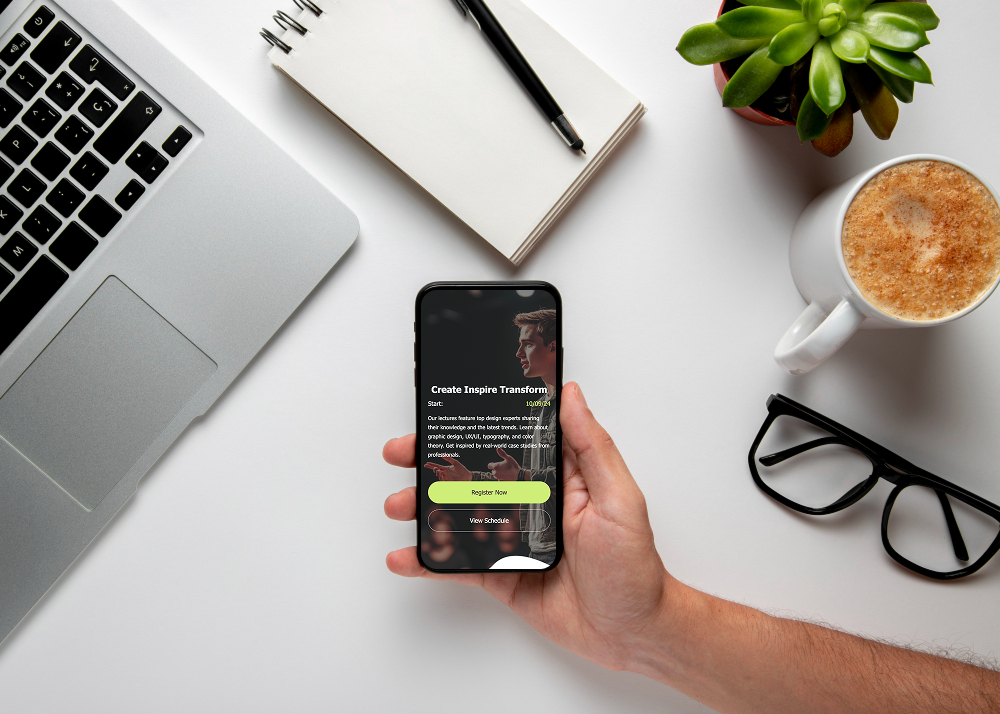
- Clearly Explain the Event: People should immediately understand what the event is about. For example, instead of using a generic title like "Business Workshop," use "Learn How to Scale Your Business in 90 Days." Specific headlines create stronger interest and set clear expectations.
- Focus on Benefits: Attendees care about outcomes more than event details. Highlight what participants will gain from attending. For instance, a marketing webinar might promise actionable strategies, while a leadership event could focus on career growth and professional development.
- Create Urgency: A subtle sense of urgency can encourage faster registrations. Mentioning limited seats or registration deadlines helps motivate visitors to act sooner rather than later.
Highlight Event Details Clearly
Visitors should never have to search for basic information.
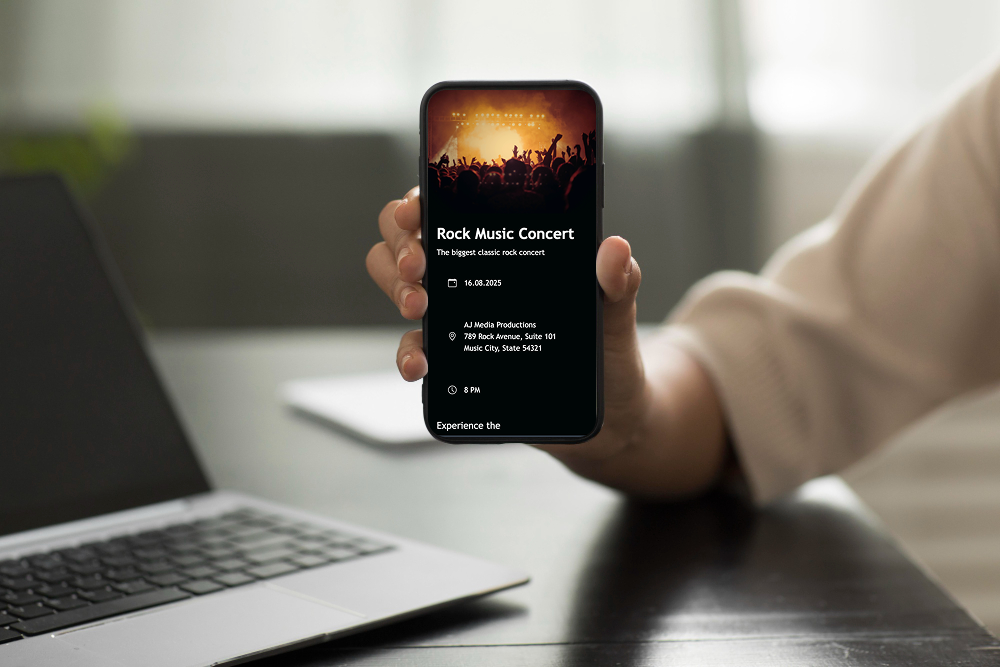
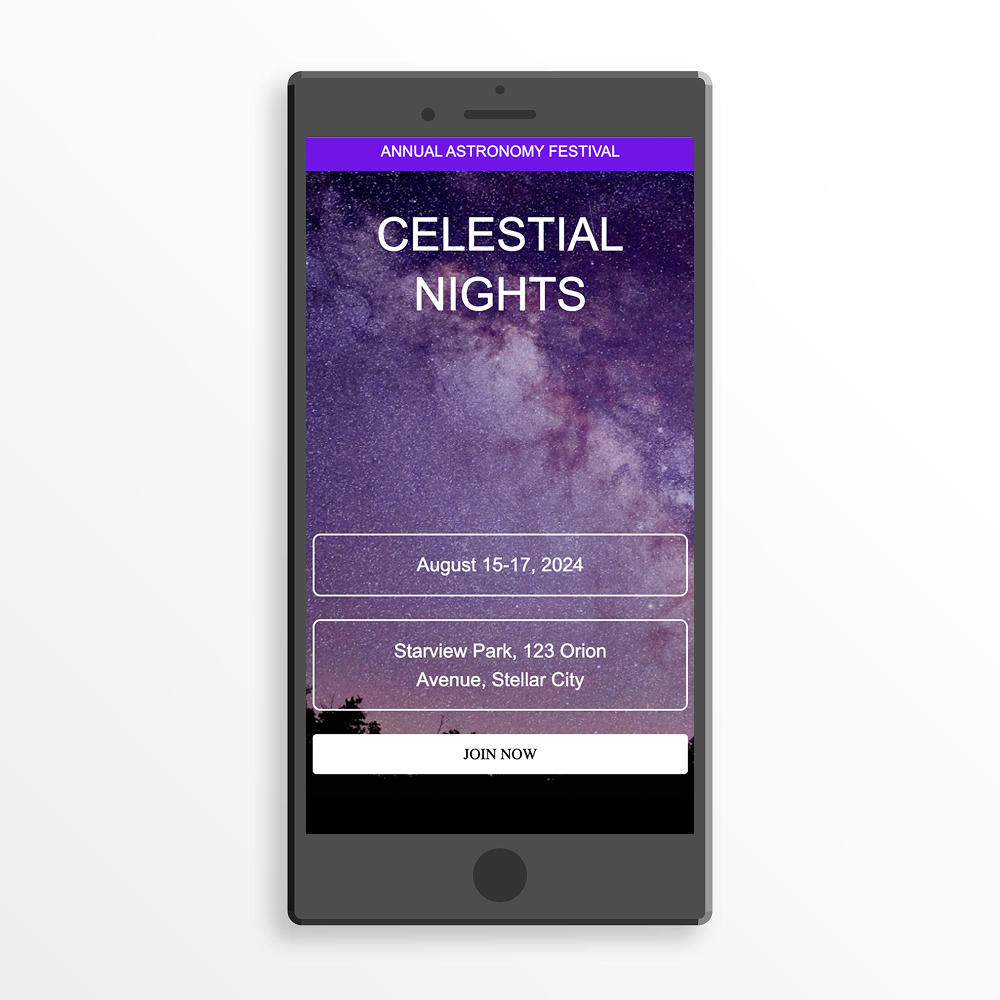
- Include Date, Time, and Location: Display essential event details prominently near the top of the page. Whether the event is online or in-person, attendees should immediately know when and where it takes place. This reduces confusion and improves the registration experience.
- Explain the Agenda: A brief agenda helps visitors understand what to expect. For example, a workshop page might outline key sessions, speakers, and activities. Clear schedules make events feel more organized and valuable.
- Show Who the Event Is For: Not every event is intended for everyone. Explain the target audience clearly. For example, a startup event may be designed for founders, while a training session might target educators or marketers.

Build Trust with Social Proof
People are more likely to register when they see evidence that others have benefited.
- Feature Testimonials: Past attendee feedback can increase confidence and credibility. For example, a previous participant might share how the event helped them gain new skills or valuable business connections.
- Show Speaker Credentials: Highlight the experience and expertise of your speakers. A recognized expert or industry leader can significantly increase event appeal and registration rates.
- Display Previous Event Success: If you've hosted events before, showcase attendance numbers, photos, or participant feedback. This demonstrates that your event delivers value and attracts engaged audiences.
Optimize Your Registration Form
The registration process should be as simple as possible.
- Ask Only for Essential Information: Long forms often reduce conversions. Collect only the information you truly need. For example, asking for a name and email address may be enough for a free webinar. Shorter forms usually lead to more registrations.
- Keep the Form Visible: Make registration easy to access throughout the page. A visible registration button or embedded form reduces friction and improves user experience.
- Reduce Distractions: Avoid unnecessary links or navigation options that could pull visitors away from registering. Every element should support the primary goal.
Key Elements of a High-Converting Event Marketing Website
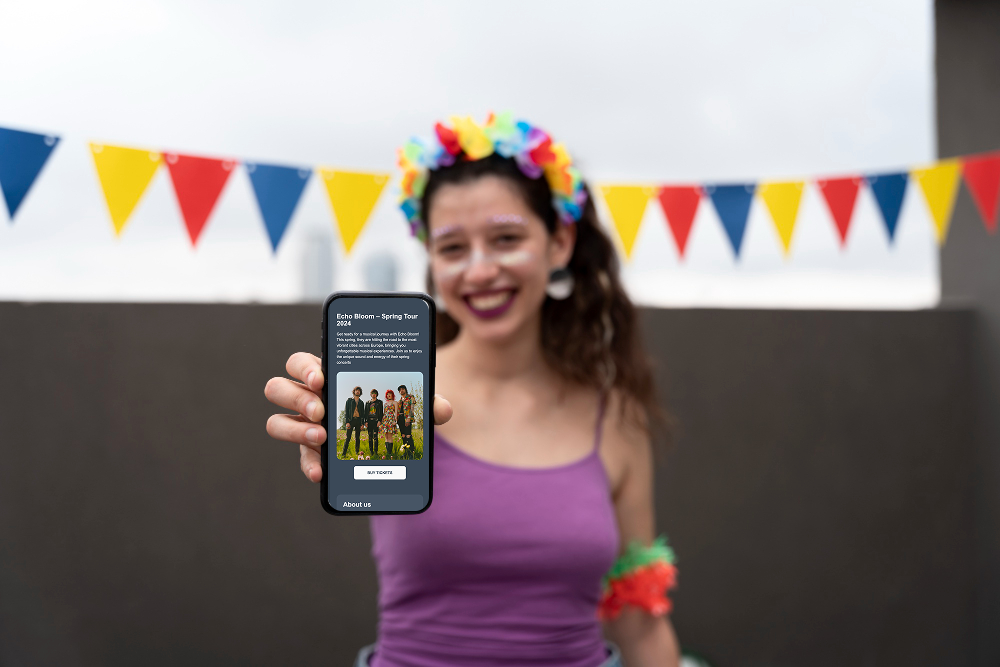
Together, these elements create a more effective event marketing website and improve registration rates.

Make Mobile Experience a Priority
Many visitors will discover your event through social media, email, or mobile search.
- Use Mobile-Friendly Layouts: A responsive design ensures the page looks professional on all devices. Visitors should be able to browse details and register without zooming or excessive scrolling.
- Improve Page Speed: Slow-loading pages can reduce registrations significantly. Fast performance keeps users engaged and improves the overall experience.
- Simplify Navigation: Mobile visitors prefer straightforward experiences. Keep menus minimal and focus attention on registration-related actions.
How ME-Page Helps Create Better Event Pages
ME-Page provides flexible tools for building event-focused landing pages quickly.
- Custom Landing Page Layouts: Users can organize content around event goals, including speaker sections, schedules, testimonials, and registration forms. This helps create a focused user journey.
- Mobile-Optimized Design: ME-Page pages are designed to perform well across smartphones, tablets, and desktops. This ensures a consistent experience for all attendees.
- Fast Updates: Event details often change. ME-Page allows organizers to quickly update schedules, speakers, and registration information without rebuilding the page.
- Conversion-Focused Structure: Pages can be designed around strong CTAs and clear registration paths, helping maximize attendance and engagement.
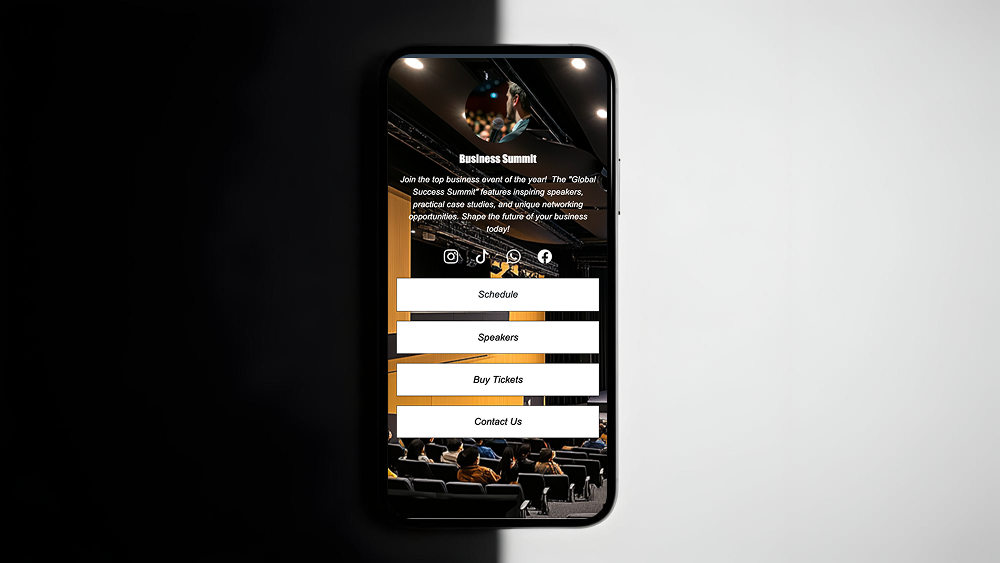
Conclusion
A successful event landing page does more than share information—it guides visitors toward registration. By combining clear messaging, strong social proof, simplified forms, and mobile-friendly design, organizers can significantly improve attendance rates.
A well-structured event marketing website helps communicate value, build trust, and create a seamless registration experience. With ME-Page, businesses, educators, creators, and event organizers can build professional event pages quickly and efficiently while keeping the focus on conversions.
The easier it is for people to understand your event and register, the more successful your event is likely to be.
Frequently Asked Questions about Event Landing Pages
An event landing page is a dedicated webpage designed to promote an event and encourage visitors to register.
Keep it as short as possible. Asking only for essential information usually improves conversion rates.
Yes. A large percentage of visitors will access your event page from mobile devices.
Yes. ME-Page provides flexible layouts suitable for a wide variety of online and in-person events.
Was This Article Helpful?
Click on a star to rate it!
Average Rating: 5/5
Voutes: 2
Share with Friends:


Previous
How Coaches and Educators Build Authority Websites

Next
ME-Page vs Link-in-Bio Tools: What’s the Difference?
Recent Articles
Everything You Need to Know About Using ME-Page Constructor for Your Website.

How to Write Website Headlines That Attract More Visitors
A headline is often the first piece of text people notice when they open a website. Before they read your para...
How Freelancers Can Organize Services, Portfolio, and Contacts on...
Freelancers often wear many hats. One day you're working on a client project, the next you're answering inquir...
How to Choose the Right Website Structure for Your Project
Before you choose colors, fonts, images, or buttons for your website, there is one decision worth making first...
Why Every Business Website Needs an FAQ Page
When people visit a business website, they rarely arrive without questions. They may want to know how a servic...
Best Homepage Sections Every Small Business Website Should Include
Your homepage is often the first place potential customers visit when they discover your business online. In j...

SEO Checklist Before Publishing Your Website
Launching a new website is exciting, but hitting the Publish button shouldn't be the final step. Before your w...
How to Write Website Headlines That Attract More Visitors
A headline is often the first piece of text people notice when they open a website. Before they read your para...
How Freelancers Can Organize Services, Portfolio, and Contacts on...
Freelancers often wear many hats. One day you're working on a client project, the next you're answering inquir...
How to Choose the Right Website Structure for Your Project
Before you choose colors, fonts, images, or buttons for your website, there is one decision worth making first...
Why Every Business Website Needs an FAQ Page
When people visit a business website, they rarely arrive without questions. They may want to know how a servic...
Best Homepage Sections Every Small Business Website Should Include
Your homepage is often the first place potential customers visit when they discover your business online. In j...
SEO Checklist Before Publishing Your Website
Launching a new website is exciting, but hitting the Publish button shouldn't be the final step. Before your w...