Me-Page Team
Last modified 4 Jun 2026
Article Plan
- Why Authority Matters Online
- Start with a Clear Brand Position
- Build a Professional Homepage
- Create Valuable Educational Content
- Build an Education Platform Experience
- Show Social Proof and Results
- Essential Elements of an Authority Website
- How ME-Page Helps Coaches and Educators
- Common Mistakes to Avoid
- Conclusion
- Frequently Asked Questions about How Coaches and Educators Build Authority Websites
In a crowded online world, expertise alone is no longer enough. Coaches, consultants, trainers, and educators need a strong online presence that demonstrates credibility, showcases results, and builds trust with potential clients or students.
That’s where an authority-focused coaching website comes in.
A well-structured website does more than display information—it positions you as a trusted expert in your field. Whether you're a business coach, fitness mentor, language tutor, or course creator, your website can become the foundation of your online brand and learning ecosystem.
Let’s explore how successful coaches and educators build authority websites that attract audiences, generate leads, and support long-term growth.
Why Authority Matters Online
People are more likely to buy from, learn from, or work with someone they trust.
An authority website helps you:
- Demonstrate expertise
- Build credibility
- Share valuable insights
- Showcase client or student results
- Generate consistent leads
For example, a career coach can publish success stories from clients who landed new jobs. An educator can showcase student achievements and educational resources to strengthen credibility.
The stronger your authority, the easier it becomes to attract opportunities and grow your audience.


Start with a Clear Brand Position
Before building your website, define what you want to be known for.
Ask yourself:
- Who do you help?
- What problem do you solve?
- What makes your approach unique?
A focused message helps visitors immediately understand your value. For example, a leadership coach may specialize in executive development, while a language tutor might focus on conversational learning for professionals.
Clarity creates stronger positioning and better audience connections.
Build a Professional Homepage
Your homepage is often the first interaction visitors have with your brand.
Communicate Your Expertise
Use a clear headline that explains who you help and what outcome you provide. For example, “Helping Entrepreneurs Build Scalable Businesses” instantly communicates purpose and audience. Visitors should understand your expertise within a few seconds of arriving.
Highlight Key Achievements
Awards, certifications, speaking engagements, and measurable results can strengthen credibility. For instance, a business coach may mention years of experience or the number of clients served. These details help establish trust early in the visitor journey.
Include a Clear Call-to-Action
Guide visitors toward the next step, whether that's booking a consultation, joining a program, or subscribing to a newsletter. Clear direction improves engagement and conversions.


Create Valuable Educational Content
Content is one of the most effective ways to build authority.
- Publish Helpful Articles: Blog posts allow you to share expertise and answer common questions. For example, a fitness coach could publish workout guides, while a marketing educator might share growth strategies. Consistent content helps attract organic traffic and build trust.
- Offer Free Resources: Templates, checklists, worksheets, and guides provide immediate value to visitors. These resources also encourage email signups and audience growth.
- Share Video Content: Videos help audiences connect with your personality and teaching style. A language instructor might create pronunciation tutorials, while a business mentor could record strategy sessions. Video content often increases engagement and credibility.
Build an Education Platform Experience
Many educators eventually expand beyond simple websites and create a full education platform experience.
- Organize Learning Resources: Group content into categories so users can easily find relevant materials. For example, a coding instructor could separate beginner, intermediate, and advanced lessons. Structured content improves learning outcomes and usability.
- Create Courses or Programs: Online courses help educators scale their knowledge and reach larger audiences. A nutrition coach, for instance, can package expertise into self-paced programs. This creates additional value and revenue opportunities.
- Support Ongoing Learning: Communities, newsletters, and resource libraries encourage long-term engagement. The more value users receive, the more likely they are to remain connected to your brand.


Show Social Proof and Results
Trust is often built through evidence.
- Use Testimonials: Client and student testimonials demonstrate real-world results. For example, a coaching client might share how they increased revenue or achieved personal goals after working with you.
- Display Case Studies: Case studies provide detailed examples of your methods and outcomes. They help visitors understand your process and the value you deliver.
- Highlight Success Stories: Student achievements, certifications earned, or business milestones can strengthen authority. Real results often speak louder than marketing claims.
Essential Elements of an Authority Website
Together, these elements create a stronger coaching website and a more effective education platform.
How ME-Page Helps Coaches and Educators
ME-Page makes it easier to build professional authority websites without technical complexity.
Flexible Page Layouts: Users can create pages tailored to coaching programs, courses, workshops, or educational resources. This flexibility supports different teaching and business models.
Content-Focused Structure: ME-Page helps organize content clearly so visitors can navigate resources more effectively. A clean structure improves both user experience and credibility.
Mobile-Friendly Design: Many learners and clients access content from smartphones. Responsive layouts ensure a smooth experience across all devices.
Easy Updates: As programs evolve, educators can quickly update content, offers, and resources without rebuilding their websites from scratch.


Common Mistakes to Avoid
Many coaches and educators unintentionally weaken their authority online.
Avoid:
- Unclear messaging
- Weak calls-to-action
- Outdated content
- Lack of testimonials
- Overly complicated navigation
- Inconsistent branding
A simple, focused website often performs better than an overly complex one.
Conclusion
A strong coaching website is one of the most powerful tools for building credibility, attracting clients, and growing an audience. By combining clear messaging, valuable content, social proof, and educational resources, coaches and educators can position themselves as trusted experts in their fields.
As your audience grows, your website can evolve into a complete education platform that supports learning, engagement, and business growth. With ME-Page, creating and managing an authority-focused website becomes easier, allowing you to focus more on teaching and helping others while maintaining a professional online presence.
Frequently Asked Questions about How Coaches and Educators Build Authority Websites
An authority website demonstrates expertise through valuable content, testimonials, case studies, and a professional presentation.
Yes. Many educators use websites to host resources, courses, programs, and learning materials.
Regular updates help maintain relevance, improve SEO, and provide ongoing value to your audience.
Yes. ME-Page offers user-friendly tools that make it easy to create professional websites without coding knowledge.
Was This Article Helpful?
Click on a star to rate it!
Average Rating: 5/5
Voutes: 1
Share with Friends:



Previous
Website Analytics for Beginners: What Metrics Matter

Next
Event Landing Pages That Drive Registrations
Recent Articles
Everything You Need to Know About Using ME-Page Constructor for Your Website.
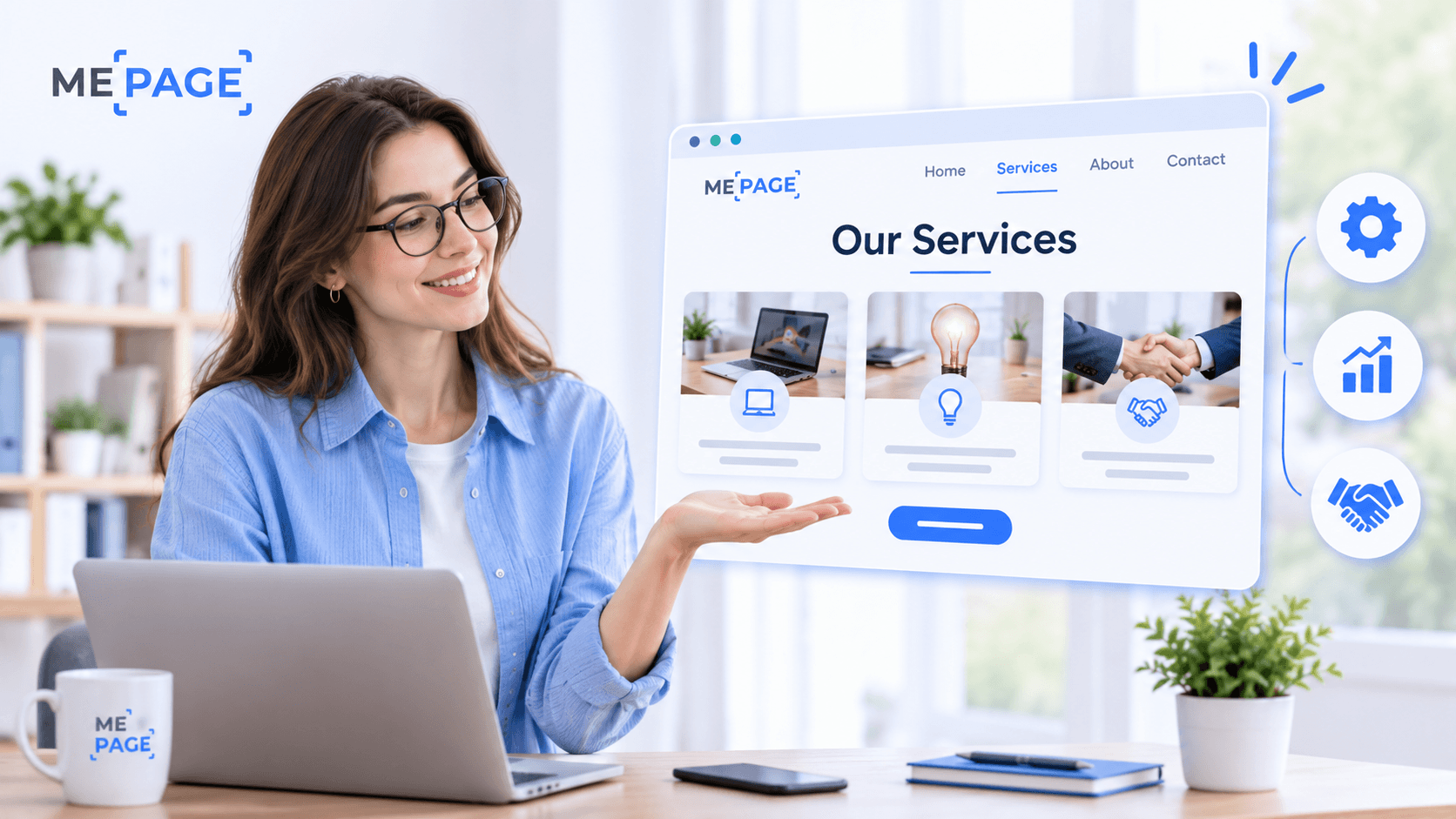
How to Create an Effective Services Page for Your Business
When potential customers visit your business website, they want to understand what you offer, how you can help...

How to Create a Navigation Menu for a Multi-Page Website
A website can have excellent content, attractive visuals, and useful features, but visitors may still leave if...
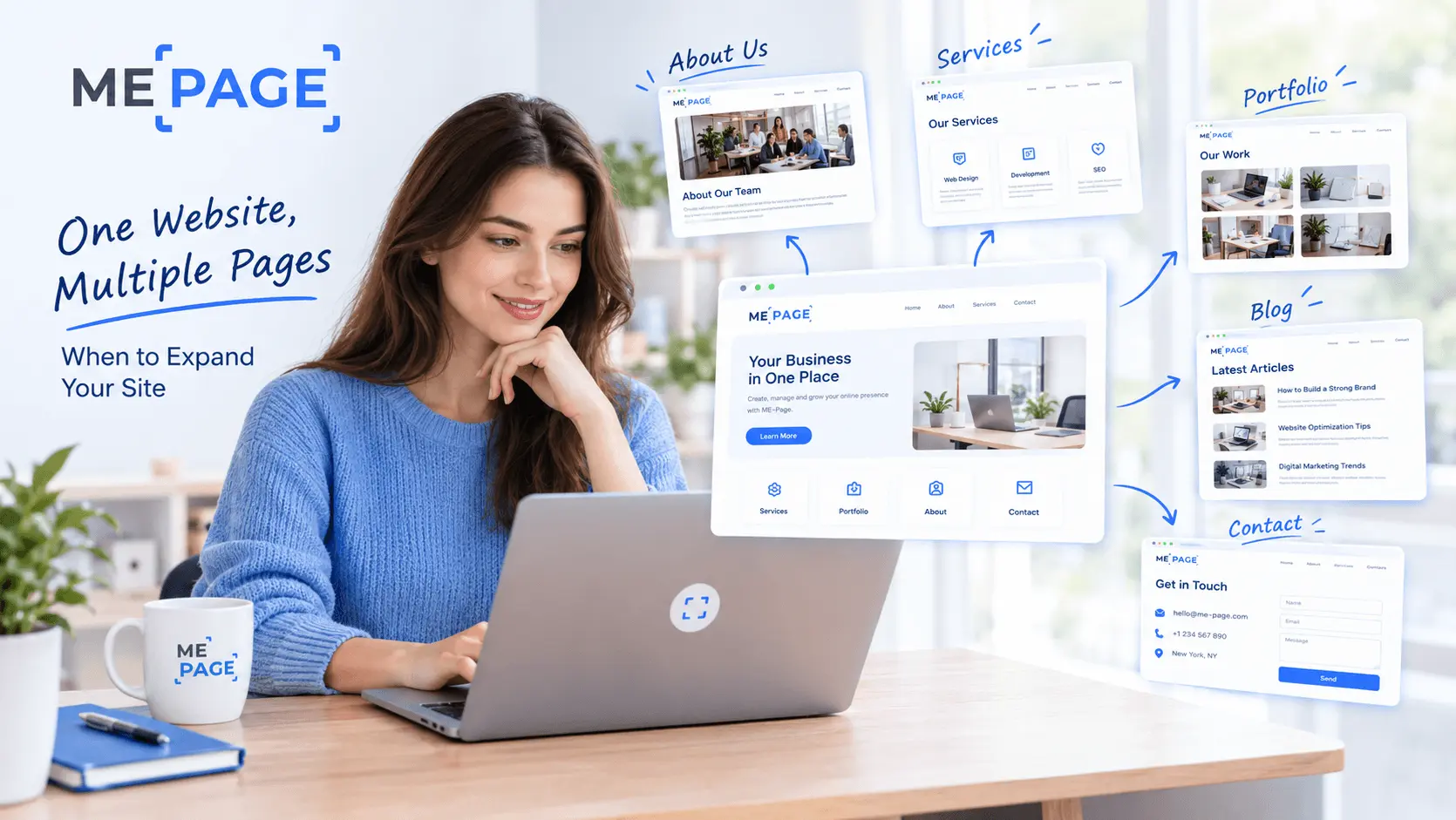
One Website, Multiple Pages: When to Expand Your Site
Starting a website with a single page makes sense. You can introduce your business, showcase your work, add a ...
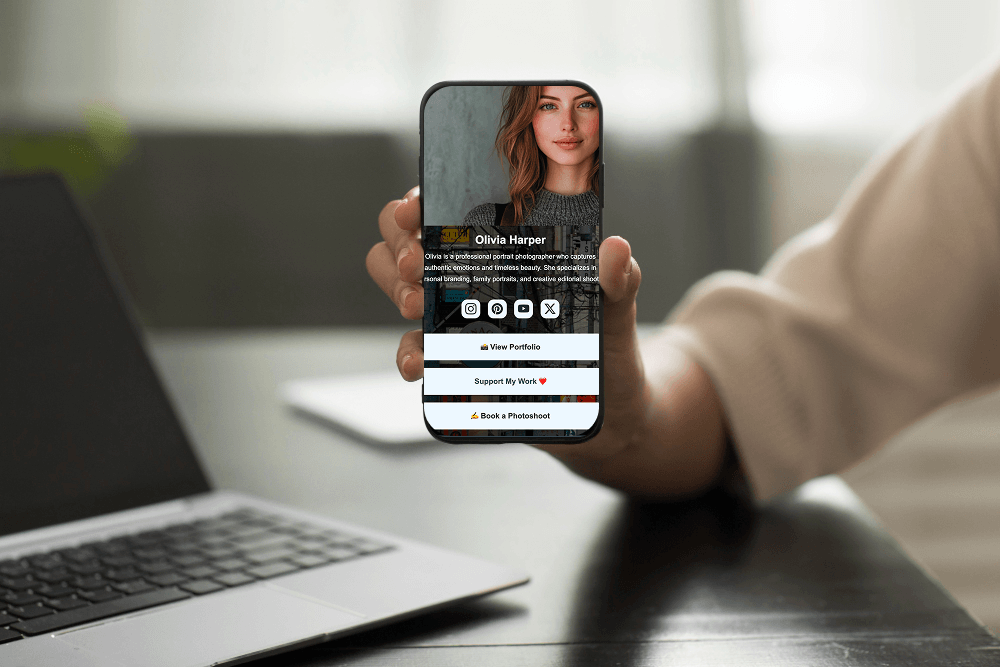
Create a Personal Link Hub with Pages for Every Project
Do you have a portfolio, a personal blog, freelance services, and a few side projects scattered across differe...
How to Optimize Page URLs for Better SEO
A website URL might look like a small technical detail, but it can influence how people understand your conten...
How to Design a Website Footer That Improves User Experience
A website footer might be the last thing visitors see, but that doesn't make it unimportant. When people reach...
How to Create an Effective Services Page for Your Business
When potential customers visit your business website, they want to understand what you offer, how you can help...
How to Create a Navigation Menu for a Multi-Page Website
A website can have excellent content, attractive visuals, and useful features, but visitors may still leave if...
One Website, Multiple Pages: When to Expand Your Site
Starting a website with a single page makes sense. You can introduce your business, showcase your work, add a ...
Create a Personal Link Hub with Pages for Every Project
Do you have a portfolio, a personal blog, freelance services, and a few side projects scattered across differe...
How to Optimize Page URLs for Better SEO
A website URL might look like a small technical detail, but it can influence how people understand your conten...
How to Design a Website Footer That Improves User Experience
A website footer might be the last thing visitors see, but that doesn't make it unimportant. When people reach...


