Me-Page Team
Last modified 2 Jun 2026
Article Plan
- What Is Website Analytics?
- Why Analytics Matters
- Traffic Metrics Every Beginner Should Track
- Key Conversion Metrics to Watch
- Website Analytics Basics at a Glance
- Use Better Product Descriptions
- How ME-Page Supports Website Performance Tracking
- Common Analytics Mistakes to Avoid
- Conclusion
- Frequently Asked Questions about Website Analytics
Launching a website is exciting, but how do you know if it’s actually working? Are visitors finding your content? Are they staying on your pages? Are they taking action?
This is where website analytics basics become essential.
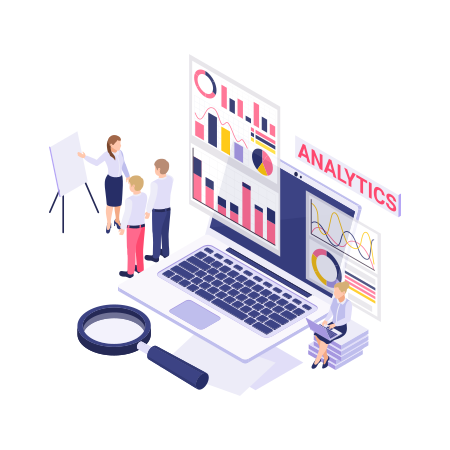
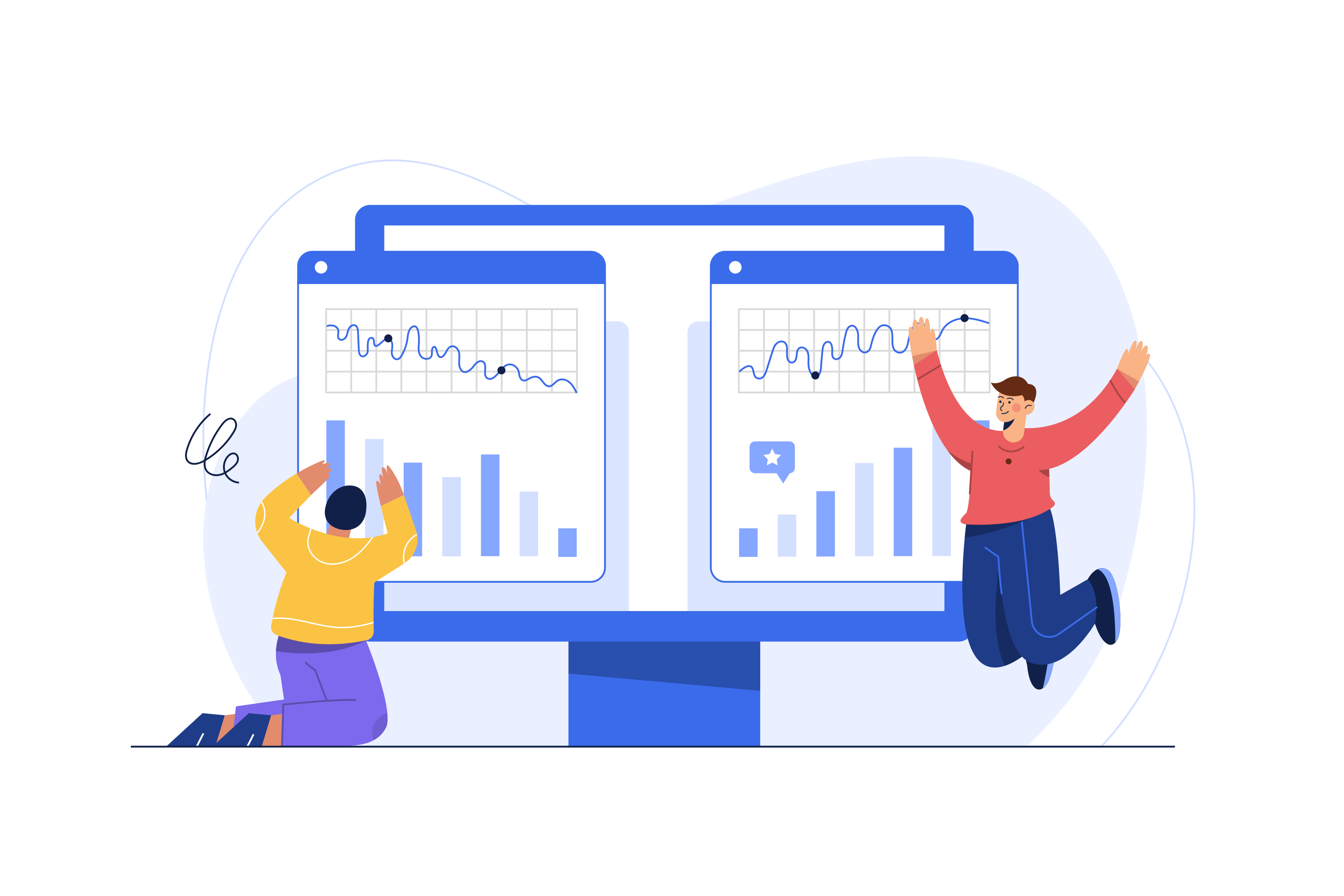
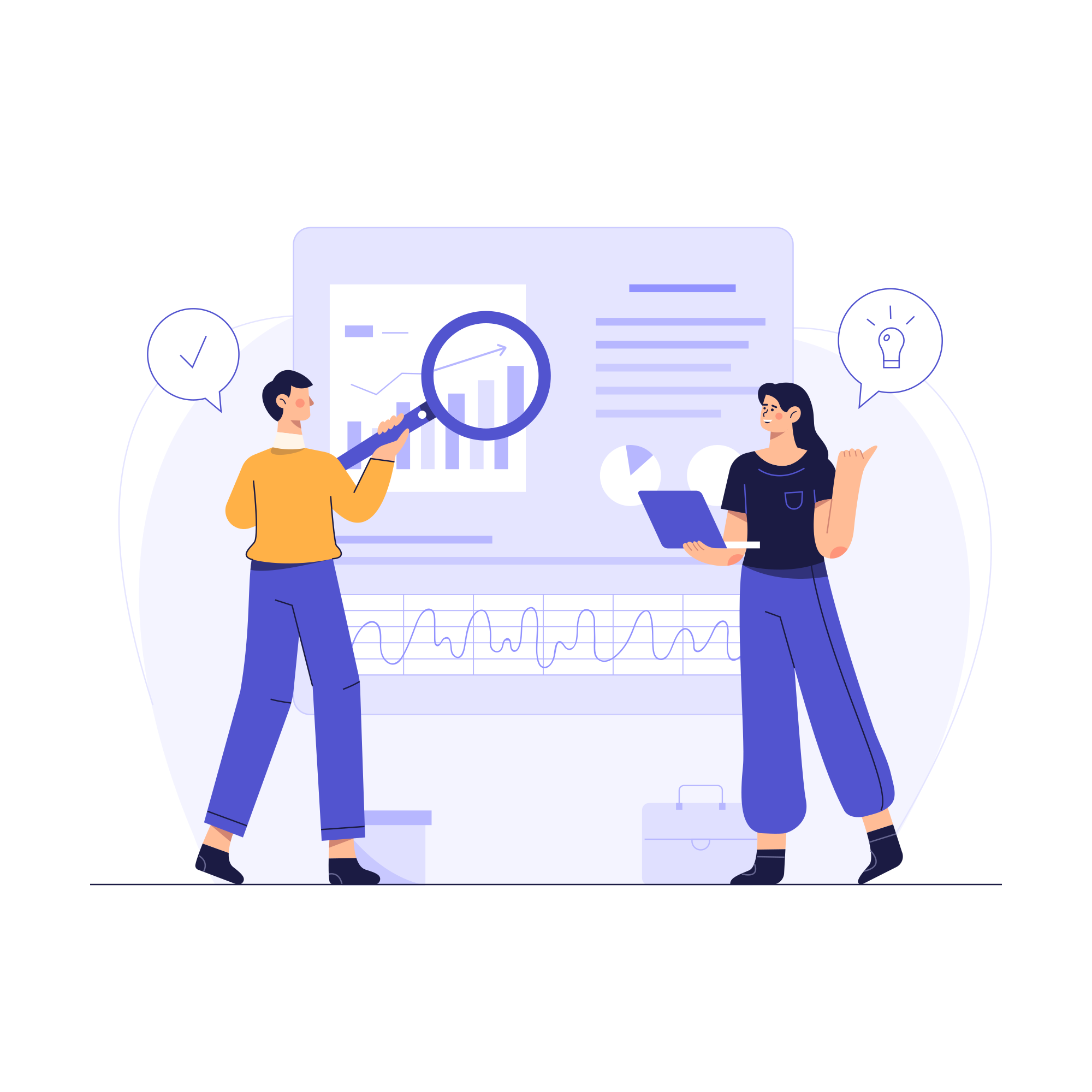
Website analytics helps you understand how people interact with your site so you can make smarter decisions. Instead of guessing what works, you can use real data to improve user experience, content, and conversions.
If you're new to analytics, don’t worry. You don’t need to track dozens of complicated reports. By focusing on a few key traffic metrics, you can gain valuable insights and grow your website more effectively.
What Is Website Analytics?
Website analytics is the process of collecting and analyzing data about your website visitors and their behavior.
This data can help you answer questions like:
- How many people visit your site?
- Where do visitors come from?
- Which pages are most popular?
- How long do users stay?
- What actions do they take?
For example, if a blog post receives a large amount of traffic, you may want to create similar content. If visitors leave a page quickly, it could indicate usability or content issues.


Why Analytics Matters
Many website owners focus only on traffic numbers, but analytics provides much deeper insights.
Benefits include:
- Better content decisions
- Improved user experience
- Higher conversion rates
- More effective marketing campaigns
- Stronger SEO performance
For instance, a business may discover that most visitors come from search engines rather than social media. This information can help prioritize future marketing efforts.
Traffic Metrics Every Beginner Should Track
You don't need to monitor every available report. Start with the most important traffic metrics.
1. Total Website Visitors
This metric shows how many people visit your website over a specific period.
Tracking visitor growth helps you understand whether your content and marketing efforts are working. For example, an increase after publishing new blog posts may indicate strong audience interest. Monitoring trends over time provides a clearer picture than focusing on daily fluctuations.
2. Traffic Sources
Traffic sources reveal where visitors come from.
Common sources include:
- Search engines
- Social media
- Direct visits
- Referral websites
- Email campaigns
For example, if most visitors arrive from Google, investing more in SEO may be worthwhile. If social media generates strong traffic, you can focus on creating shareable content.
3. Page Views
Page views measure how many times pages are viewed on your website.
This helps identify which content attracts the most attention. For instance, if a product page consistently receives high traffic, it may deserve additional optimization. Popular pages often provide clues about audience interests.

4. Average Time on Page
This metric shows how long visitors spend on a page before leaving.
Longer engagement often indicates that users find the content valuable. For example, a detailed guide that keeps visitors reading for several minutes is usually performing well. Low engagement may signal that content needs improvement or better formatting.
5. Bounce Rate
Bounce rate measures the percentage of visitors who leave without interacting further.
A high bounce rate doesn't always mean something is wrong, but it can reveal opportunities for improvement. For example, adding internal links or clearer calls-to-action may encourage users to explore additional pages. Context is important when interpreting this metric.
Key Conversion Metrics to Watch
Traffic alone doesn't guarantee success.

Conversion Rate
The conversion rate measures how many visitors complete a desired action.
Examples include:
- Signing up for a newsletter
- Booking a consultation
- Making a purchase
- Filling out a contact form
For example, if 100 people visit a landing page and 10 subscribe, the conversion rate is 10%. This metric directly reflects website effectiveness.
Goal Completions
Goals track specific actions that support your business objectives.
A creator might track newsletter signups, while a service provider may focus on appointment bookings. Monitoring goals helps connect traffic to real business outcomes.
Website Analytics Basics at a Glance
These website analytics basics provide a strong starting point for understanding website performance.
Use Better Product Descriptions
A product description should explain both features and benefits.
Identify Top-Performing Content
Analytics reveals which pages attract the most visitors and engagement. For example, if one article consistently performs well, you can create related content to expand on that topic. This helps you focus resources where they will have the greatest impact.
Improve User Experience
Behavior data can uncover navigation or usability issues. If users frequently leave a specific page, it may need clearer messaging, better design, or faster loading speeds. Small improvements often lead to better engagement.
Optimize Marketing Campaigns
Tracking traffic metrics helps determine which channels generate the best results. For instance, you may find that email campaigns convert better than social media promotions. This allows for more effective budget and time allocation.
Support SEO Growth
Analytics helps measure the impact of search engine optimization efforts. Monitoring organic traffic trends can reveal whether your SEO strategy is improving visibility and attracting new visitors.
How ME-Page Supports Website Performance Tracking
ME-Page helps users build websites that are designed for growth and optimization.
Clear Page Structure
Well-organized layouts make visitor behavior easier to understand and analyze. This helps identify which sections attract attention and which areas may need improvement.
Conversion-Focused Design
ME-Page encourages strategic page structures that support lead generation, bookings, and sales. Better design often leads to stronger analytics results over time.
Flexible Optimization
Users can update content, layouts, and calls-to-action based on performance data. This makes continuous improvement easier without requiring major website redesigns.
Common Analytics Mistakes to Avoid
Many beginners make the mistake of focusing on vanity metrics.
Avoid:
- Obsessing over daily traffic changes
- Ignoring conversion data
- Tracking too many metrics at once
- Making decisions without enough data
- Failing to monitor long-term trends
Successful website growth comes from understanding patterns, not reacting to every small fluctuation.

Conclusion
Learning website analytics basics is one of the most valuable skills for website owners, creators, and businesses. Analytics helps you understand what’s working, what isn’t, and where opportunities exist for improvement.
By focusing on essential traffic metrics like visitors, traffic sources, page views, engagement, and conversions, beginners can make informed decisions without becoming overwhelmed by data.
Combined with a well-structured website built on ME-Page, analytics becomes a powerful tool for improving performance, enhancing user experience, and achieving long-term growth.
Frequently Asked Questions about Website Analytics
Website analytics are data and reports that show how visitors interact with your website.
There isn’t a single most important metric, but visitors, traffic sources, and conversion rates provide a strong starting point.
Conversion rates vary by industry, audience, and goals, so it's best to compare performance against your own benchmarks over time.
Yes. Analytics helps identify successful content, track organic traffic growth, and uncover opportunities for optimization.
Was This Article Helpful?
Click on a star to rate it!
Average Rating: 5/5
Voutes: 1
Share with Friends:



Previous
Product Pages That Convert: Best Practices for 2026

Next
How Coaches and Educators Build Authority Websites
Recent Articles
Everything You Need to Know About Using ME-Page Constructor for Your Website.

How to Write Website Headlines That Attract More Visitors
A headline is often the first piece of text people notice when they open a website. Before they read your para...

How Freelancers Can Organize Services, Portfolio, and Contacts on...
Freelancers often wear many hats. One day you're working on a client project, the next you're answering inquir...
How to Choose the Right Website Structure for Your Project
Before you choose colors, fonts, images, or buttons for your website, there is one decision worth making first...
Why Every Business Website Needs an FAQ Page
When people visit a business website, they rarely arrive without questions. They may want to know how a servic...

Best Homepage Sections Every Small Business Website Should Include
Your homepage is often the first place potential customers visit when they discover your business online. In j...
SEO Checklist Before Publishing Your Website
Launching a new website is exciting, but hitting the Publish button shouldn't be the final step. Before your w...
How to Write Website Headlines That Attract More Visitors
A headline is often the first piece of text people notice when they open a website. Before they read your para...
How Freelancers Can Organize Services, Portfolio, and Contacts on...
Freelancers often wear many hats. One day you're working on a client project, the next you're answering inquir...
How to Choose the Right Website Structure for Your Project
Before you choose colors, fonts, images, or buttons for your website, there is one decision worth making first...
Why Every Business Website Needs an FAQ Page
When people visit a business website, they rarely arrive without questions. They may want to know how a servic...
Best Homepage Sections Every Small Business Website Should Include
Your homepage is often the first place potential customers visit when they discover your business online. In j...
SEO Checklist Before Publishing Your Website
Launching a new website is exciting, but hitting the Publish button shouldn't be the final step. Before your w...