Me-Page Team
Last modified 5 Feb 2026
Article Plan
- Start with a Clear Value Proposition
- Keep Navigation Simple and Focused
- Design for Speed First
- Guide Users with Section Flow
- Highlight Benefits, Not Just Features
- Use Social Proof to Build Trust
- Optimize for Mobile Users
- Use Visual Hierarchy and White Space
- Essential Homepage Elements Overview
- Keep Content Concise and Scannable
- Conclusion
- Frequently Asked Questions about Homepage Best Practices
In 2026, your homepage is no longer just an introduction — it’s your most powerful marketing tool. For many visitors, it’s the first and sometimes only page they’ll see before deciding whether to stay or leave. Within seconds, users judge your credibility, professionalism, and relevance.
A poorly structured homepage creates confusion and high bounce rates. A well-designed one guides visitors naturally, builds trust, and drives action.
That’s why following modern homepage design tips and proven website UX best practices is essential for any business, creator, or brand. Whether you’re building a portfolio, online store, service website, or business platform with tools like ME-Page, your homepage must be clear, fast, and purposeful.
Let’s break down what every website needs on its homepage in 2026.
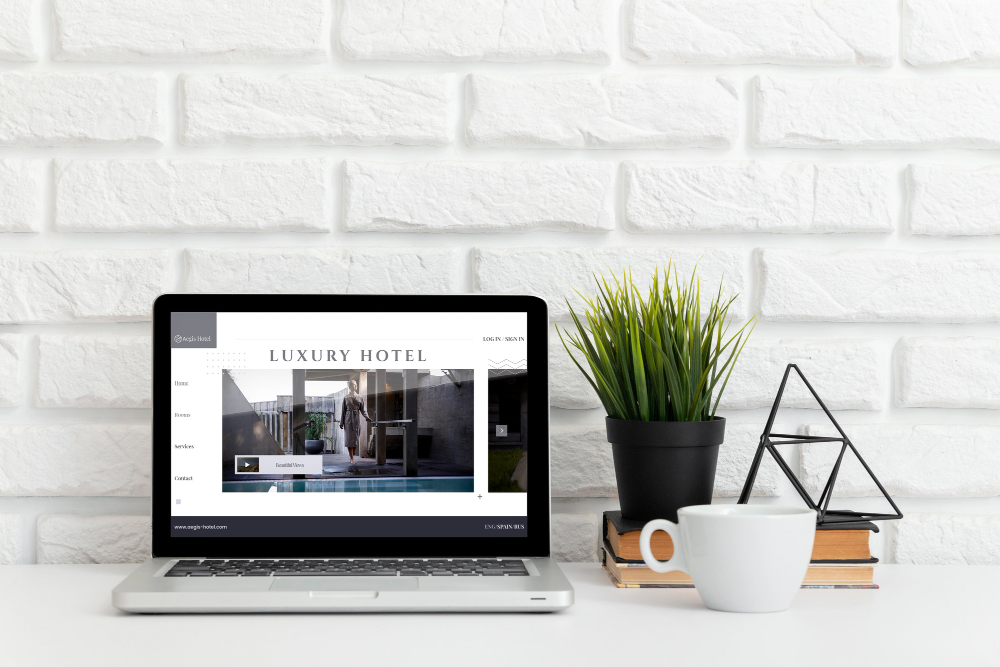
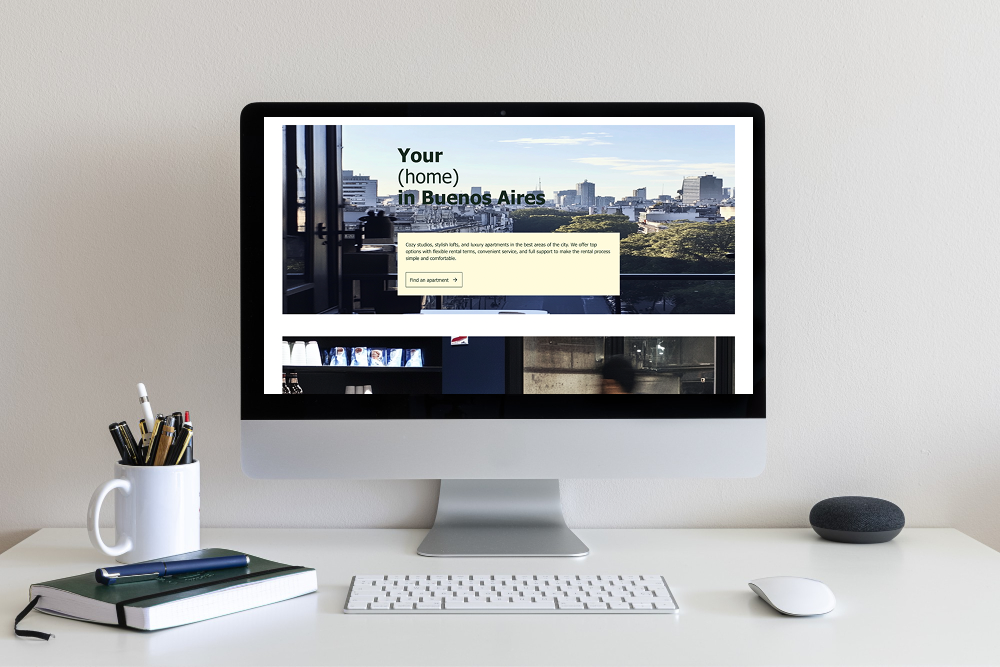
Start with a Clear Value Proposition
Visitors should immediately understand what you offer and who it’s for.
The first screen (often called the “hero section”) must clearly communicate:
- What you do
- Who you help
- Why you’re different
- What action to take
Avoid vague slogans. Instead, use direct messaging that answers the visitor’s question: “What’s in it for me?”
A strong headline paired with a simple call-to-action (CTA) like Get Started, Book a Call, or Browse Services keeps users moving forward.Keep Navigation Simple and Focused
Complicated menus overwhelm users. Clean navigation improves usability and conversions.
Best practices include:
- 5–7 main menu items maximum
- Logical page names
- Sticky header for easy access
- Visible contact or CTA button
Simple navigation helps visitors find what they need without thinking too hard — which is exactly how good UX works.
Design for Speed First
Website speed directly affects engagement and rankings. Slow pages cause visitors to leave before they even see your content.
Your homepage should:
- Load in under 3 seconds
- Use optimized images
- Avoid heavy animations
- Keep layouts lightweight
Modern builders like ME-Page use optimized blocks and templates that help maintain fast performance without sacrificing design quality.
Guide Users with Section Flow
A homepage shouldn’t feel random. It should tell a story.
Think of it as a journey:
- Introduction
- Benefits
- Features or services
- Proof or trust
- Call-to-action
This structure moves visitors logically from interest to decision.
Using organized sections improves readability and creates better website UX best practices.
Highlight Benefits, Not Just Features
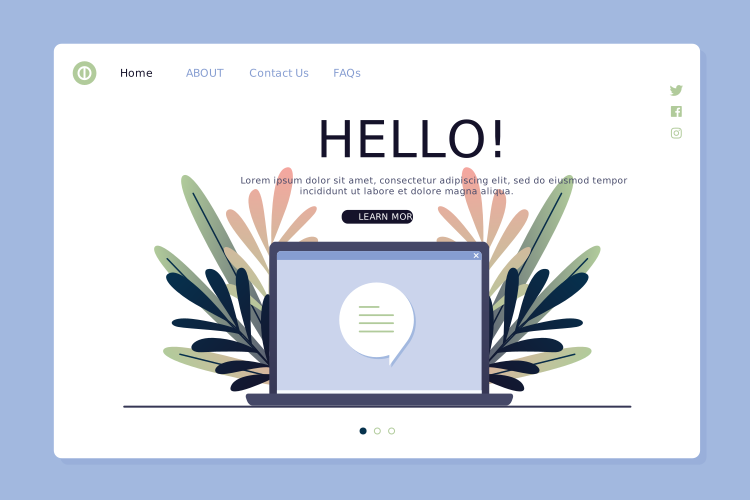
People care more about outcomes than details.
Instead of saying: “Advanced analytics dashboard”
Say: “Track your results and make smarter decisions”
Benefits show users how your product or service improves their life or business. This approach is far more persuasive.
Use Social Proof to Build Trust
Trust is essential in 2026, especially with increasing online competition.
Your homepage should include:
- Testimonials
- Reviews
- Client logos
- Case studies
- Ratings
Seeing others’ positive experiences reassures visitors and reduces hesitation.
Even a few short quotes can significantly increase credibility.
Optimize for Mobile Users
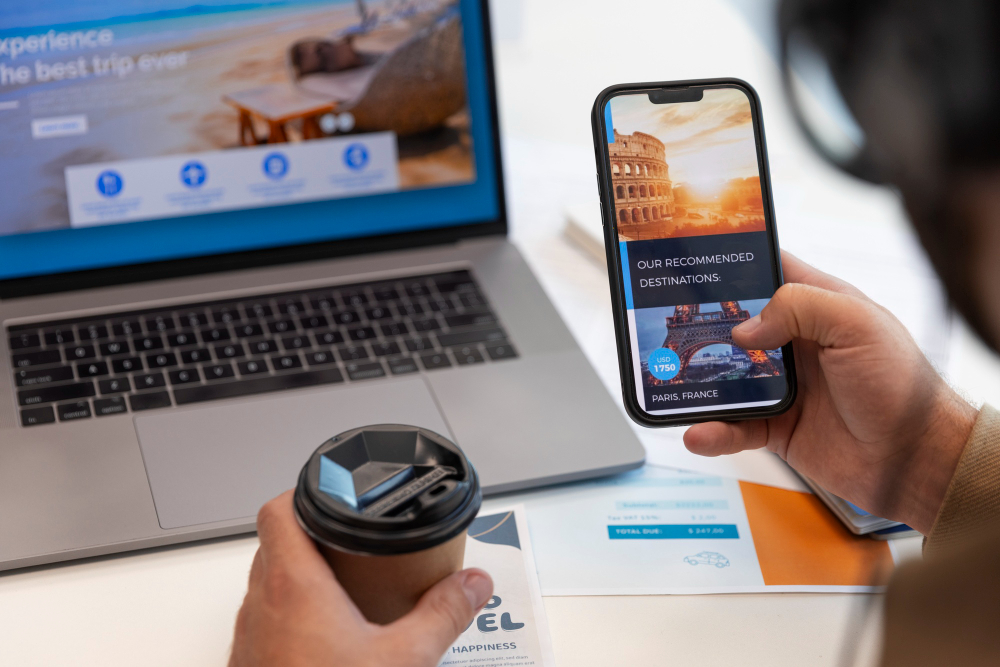
Mobile traffic dominates in 2026. A homepage must look and work perfectly on smaller screens.
Mobile-friendly design means:
- Easy-to-read text
- Large buttons
- Vertical scrolling
- Simple layouts
- No tiny links
Responsive templates on platforms like ME-Page automatically adjust your layout to fit any device, ensuring a smooth experience everywhere.
Use Visual Hierarchy and White Space
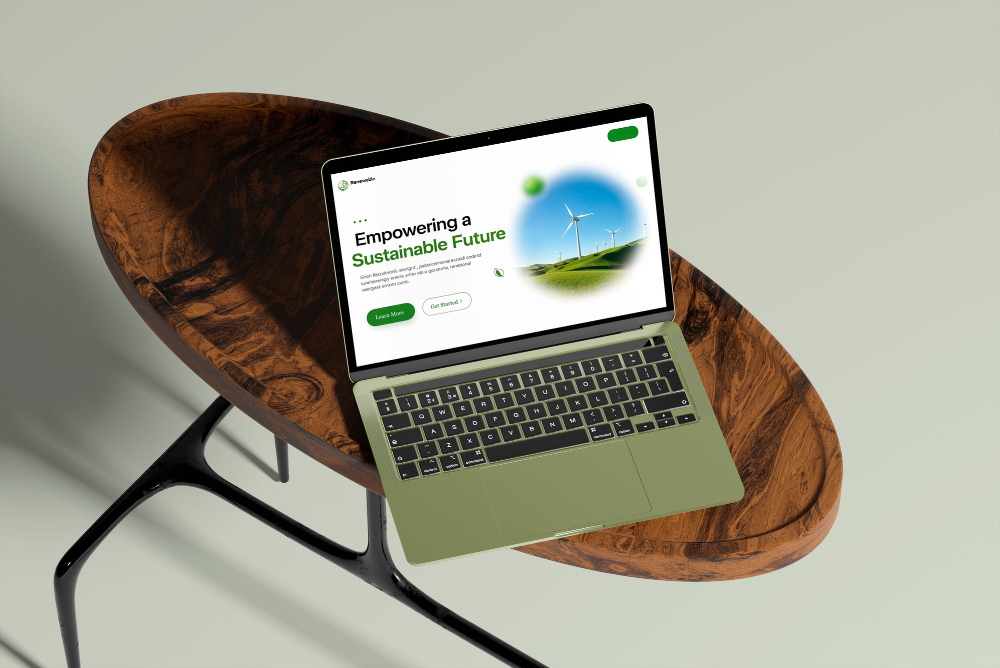
Clutter reduces clarity. Clean design improves comprehension.
Effective visual hierarchy includes:
- Large headlines
- Clear section spacing
- Consistent colors
- Simple fonts
- Balanced layouts
White space isn’t empty — it helps users focus on what matters.
Essential Homepage Elements Overview
Keep Content Concise and Scannable
Most visitors skim instead of reading every word.
Use:
- Short paragraphs
- Headings
- Bullet points
- Icons
- Visual breaks
Scannable content improves comprehension and keeps users engaged longer.
Your homepage should evolve with your business. Promotions, new services, and announcements change frequently.
Using a flexible builder like ME-Page allows you to quickly update sections, swap content, or rearrange blocks without technical skills. This flexibility keeps your homepage fresh and relevant.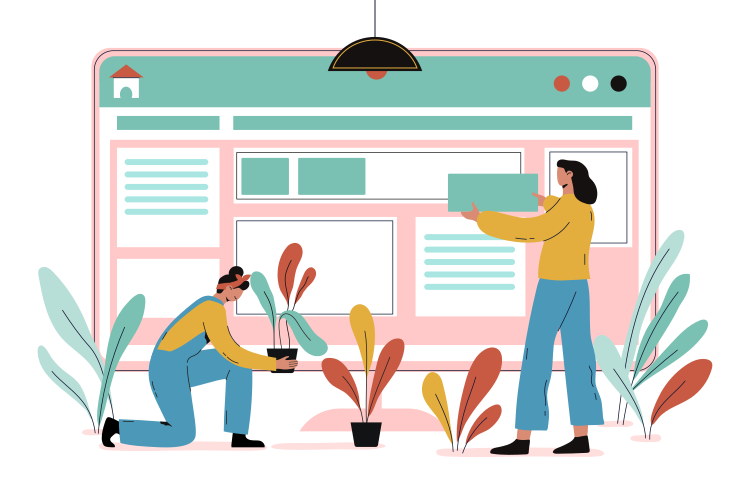
Conclusion
In 2026, a homepage is much more than decoration — it’s your main conversion engine. A successful homepage combines strong messaging, clean design, fast performance, and smart structure to guide visitors toward action. By following proven homepage design tips and modern website UX best practices, businesses can create experiences that feel effortless, trustworthy, and professional.
From clear value propositions and simple navigation to mobile optimization, social proof, and strong calls-to-action, every element plays a role in keeping users engaged and moving forward. The goal isn’t to add more content — it’s to remove friction and make decisions easy.
With tools like ME-Page, building a high-converting homepage becomes simple thanks to ready-made blocks, responsive layouts, and flexible customization. When your homepage works smoothly and communicates clearly, visitors stay longer, trust your brand more, and convert faster — turning traffic into real business results.
Frequently Asked Questions about Homepage Best Practices
It should be long enough to explain your value clearly but short enough to stay focused. Most modern homepages use multiple sections instead of excessive text.
No. Use the homepage to guide visitors to deeper pages rather than overwhelming them with too much detail.
Not required. Subtle effects can enhance design, but speed and clarity are more important.
Yes. Platforms like ME-Page provide pre-made templates and blocks that make professional homepage design accessible to anyone.
Was This Article Helpful?
Click on a star to rate it!
Average Rating: 5/5
Voutes: 1
Share with Friends:


Previous
Real Estate Websites in 2026: What Buyers Expect
Next
One-Page vs Multi-Page Websites: When to Use Subpages
Recent Articles
Everything You Need to Know About Using ME-Page Constructor for Your Website.
How to Link Pages Together for Better Website Navigation
A multi-page website gives you more room to organize information, but adding pages is only half the job. Visit...

Build a Personal Website That Stands Out in 2026
Your social media profiles can show what you do, but they do not give you complete control over your online pr...

Managing Multiple Websites from One ME-Page Account
Running more than one website used to be complicated. Different logins, scattered tools, and endless switching...
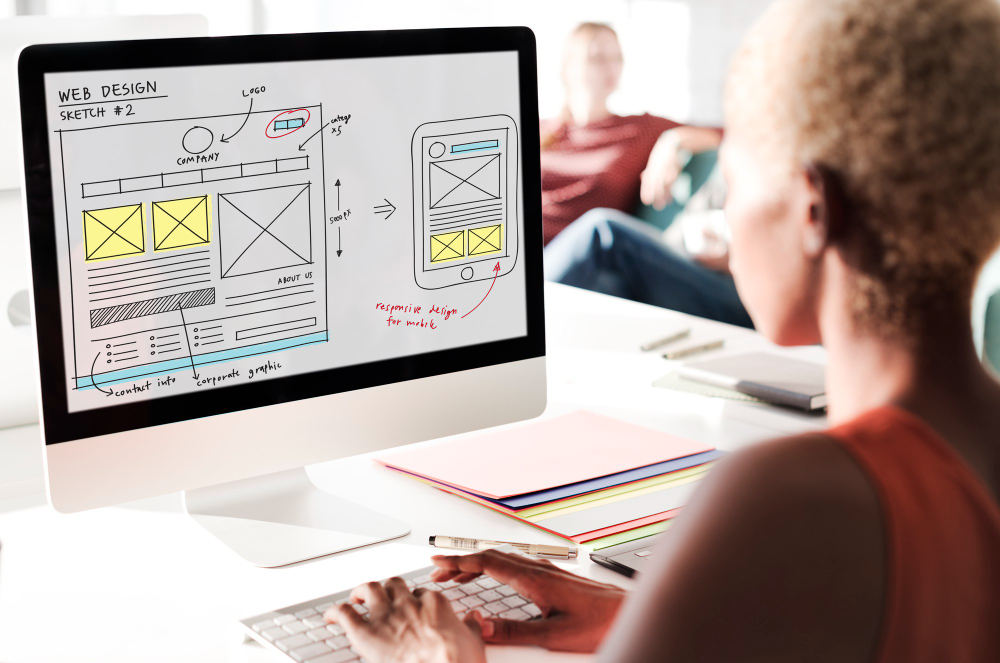
How to Organize Content Across Multiple Website Pages
A multi-page website gives you room to explain your business, services, products, and ideas without putting ev...

Essential Pages Every Business Website Should Include
A business website doesn't need dozens of pages to look professional. What it does need is a clear structure t...

How to Write Website Headlines That Attract More Visitors
A headline is often the first piece of text people notice when they open a website. Before they read your para...
How to Link Pages Together for Better Website Navigation
A multi-page website gives you more room to organize information, but adding pages is only half the job. Visit...
Build a Personal Website That Stands Out in 2026
Your social media profiles can show what you do, but they do not give you complete control over your online pr...
Managing Multiple Websites from One ME-Page Account
Running more than one website used to be complicated. Different logins, scattered tools, and endless switching...
How to Organize Content Across Multiple Website Pages
A multi-page website gives you room to explain your business, services, products, and ideas without putting ev...
Essential Pages Every Business Website Should Include
A business website doesn't need dozens of pages to look professional. What it does need is a clear structure t...
How to Write Website Headlines That Attract More Visitors
A headline is often the first piece of text people notice when they open a website. Before they read your para...