Me-Page Team
Last modified 25 Jun 2026
Article Plan
- Por que os projetos comunitários precisam de um site?
- Construir confiança através da transparência
- Facilite a participação
- Criar recursos valiosos para a comunidade.
- Funcionalidades essenciais para uma presença online de uma organização sem fins lucrativos
- Como a ME-Page apoia organizações comunitárias
- Exemplos reais de uso de sites comunitários
- Erros comuns a evitar
- Conclusão
-
Perguntas frequentes sobre como os projetos comunitários usam a ME-Page para aumentar a conscientização
- Por que um projeto comunitário precisa de um site?
- Como a presença online de uma organização sem fins lucrativos pode ajudar a atrair voluntários?
- O que um site comunitário deve incluir?
- Com que frequência as organizações comunitárias devem atualizar seus sites?
- Organizações sem fins lucrativos de pequeno porte podem usar o ME-Page de forma eficaz?
Community initiatives, local organizations, volunteer groups, and nonprofit projects often face the same challenge: getting their message in front of more people. No matter how impactful a project may be, it can only make a difference if people know it exists.
That’s why having a dedicated community website is so important.
While social media can help spread awareness, relying solely on social platforms limits control over your message and audience experience. A well-structured website creates a central hub where supporters, volunteers, donors, and community members can learn more, get involved, and stay informed.
With ME-Page, organizations can build a strong nonprofit online presence quickly and efficiently, helping them reach more people and amplify their impact.
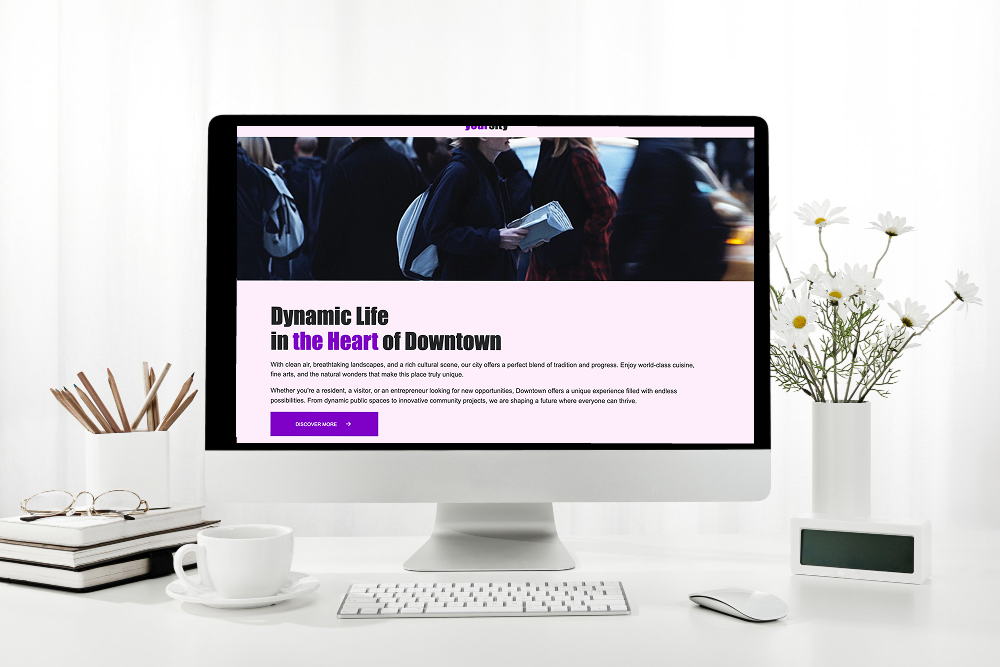
Why Community Projects Need a Website
Many community groups start with social media pages, messaging apps, or word-of-mouth promotion. While these channels are useful, they often lack organization and long-term visibility.
A dedicated community website helps organizations:
- Share their mission clearly
- Promote events and initiatives
- Recruit volunteers
- Collect donations or support
- Publish updates and resources
For example, a neighborhood cleanup group can use a website to announce upcoming events and recruit volunteers. A local charity can provide information about programs, donation opportunities, and success stories in one accessible place.
A website creates a permanent home for your community project.
Build Trust Through Transparency
People are more likely to support organizations they understand and trust.
Clearly Explain Your Mission
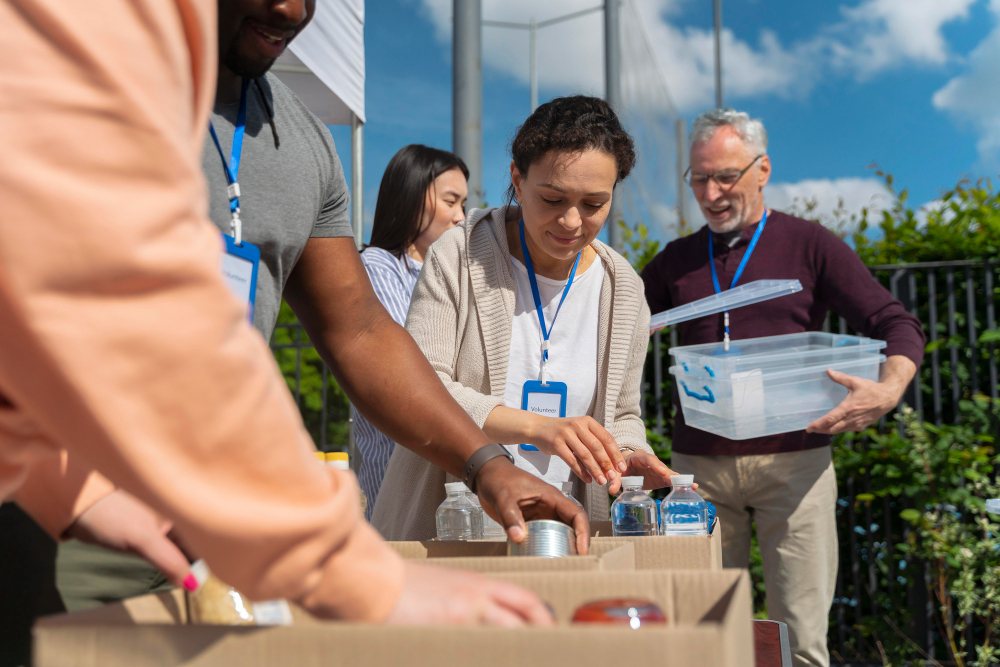
Visitors should immediately understand what your organization does and why it matters. For example, a food assistance project might explain how it helps local families access essential resources. Clear messaging helps create stronger emotional connections.
Share Your Impact
Highlight achievements, milestones, and measurable outcomes. A nonprofit that has helped hundreds of families or organized dozens of community events can showcase those accomplishments to build credibility and encourage participation.
Introduce Your Team
People often want to know who is behind a project. Sharing information about volunteers, organizers, and leadership teams helps make organizations feel more approachable and trustworthy.


Make It Easy to Get Involved
A website should encourage action, not just provide information.
Promote Volunteer Opportunities
Clearly explain how people can contribute. For example, an environmental organization can list cleanup schedules, volunteer roles, and registration forms. Making opportunities visible increases participation.
Highlight Upcoming Events
Community projects often rely on events to engage supporters. A dedicated section for workshops, fundraisers, or awareness campaigns helps visitors stay informed and involved.
Provide Contact Options
Supporters should be able to reach out easily. Contact forms, email addresses, or social links make communication more accessible and encourage engagement.
Create Valuable Resources for the Community
A strong community website can become a valuable source of information.
- Publish Educational Content: Articles, guides, and updates help raise awareness about important issues. For example, a health-focused nonprofit could publish wellness resources, while an environmental group might share sustainability tips.
- Share Success Stories: Stories from beneficiaries, volunteers, or community members help demonstrate real-world impact. Personal experiences often inspire others to get involved.
- Offer Downloadable Materials: Flyers, toolkits, event schedules, and informational documents can make it easier for supporters to participate and spread awareness.

Essential Features for a Nonprofit Online Presence
These elements help strengthen a nonprofit online presence and improve community engagement.

How ME-Page Supports Community Organizations
ME-Page makes it easier for community groups and nonprofits to build professional websites without technical barriers.
- Simple Website Creation: Organizations can launch websites quickly without requiring coding skills or large budgets. This allows teams to focus more on their mission and less on technical challenges.
- Flexible Content Layouts: Community projects often have unique needs. ME-Page allows users to organize information around events, resources, volunteer opportunities, and impact stories in a way that makes sense for their audience.
- Mobile-Friendly Design: Many supporters access websites from smartphones. Responsive layouts ensure visitors can easily browse information, register for events, or contact organizers from any device.
- Easy Content Updates: Community projects frequently share new events, announcements, and achievements. ME-Page makes it simple to keep content fresh and relevant.
Real-World Examples of Community Website Use
- Local Volunteer Group: A volunteer organization uses a website to publish event schedules, recruit participants, and share photos from completed projects. This helps build momentum and attract new members.
- Nonprofit Awareness Campaign: A nonprofit creates a central hub for educational content, donation information, and campaign updates. Visitors can learn about the cause and support initiatives more easily.
- Community Education Program: An educational project shares learning materials, workshop registrations, and success stories through a dedicated website, helping expand its reach and impact.
These examples demonstrate how a strong community website can support growth and engagement.

Common Mistakes to Avoid
Many organizations unintentionally limit their online effectiveness.
Avoid:
- Outdated event information
- Unclear mission statements
- Difficult navigation
- Missing contact details
- Infrequent content updates
- Overreliance on social media alone
A clear and consistently updated website creates a stronger experience for supporters.
Conclusion
A dedicated community website is one of the most effective tools for increasing awareness, building trust, and encouraging participation. By creating a central hub for information, events, resources, and success stories, organizations can strengthen connections with supporters and expand their impact.
A strong nonprofit online presence helps community projects remain visible, accessible, and organized as they grow. With ME-Page, nonprofits, volunteer groups, and local initiatives can build professional websites quickly, update content easily, and focus more on serving their communities.
When people can easily understand your mission and find ways to get involved, your project has a much greater opportunity to create meaningful change.
Frequently Asked Questions about How Community Projects Use ME-Page to Grow Awareness
A website provides a central location for sharing information, promoting events, and engaging supporters.
Was This Article Helpful?
Click on a star to rate it!
Average Rating: 4.4/5
Voutes: 5
Share with Friends:



Previous
How Startups Launch MVP Websites with ME-Page
Next
Community Websites for Gamers: Features That Matter
Recent Articles
Everything You Need to Know About Using ME-Page Constructor for Your Website.

How to Link Pages Together for Better Website Navigation
A multi-page website gives you more room to organize information, but adding pages is only half the job. Visit...

Build a Personal Website That Stands Out in 2026
Your social media profiles can show what you do, but they do not give you complete control over your online pr...

Managing Multiple Websites from One ME-Page Account
Running more than one website used to be complicated. Different logins, scattered tools, and endless switching...
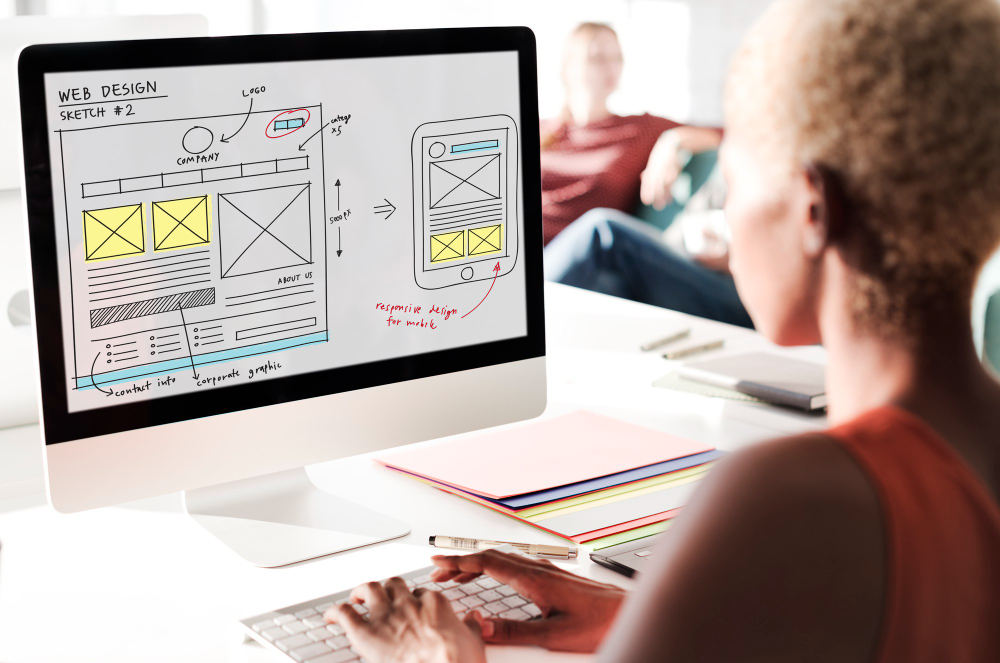
How to Organize Content Across Multiple Website Pages
A multi-page website gives you room to explain your business, services, products, and ideas without putting ev...

Essential Pages Every Business Website Should Include
A business website doesn't need dozens of pages to look professional. What it does need is a clear structure t...

How to Write Website Headlines That Attract More Visitors
A headline is often the first piece of text people notice when they open a website. Before they read your para...
How to Link Pages Together for Better Website Navigation
A multi-page website gives you more room to organize information, but adding pages is only half the job. Visit...
Build a Personal Website That Stands Out in 2026
Your social media profiles can show what you do, but they do not give you complete control over your online pr...
Managing Multiple Websites from One ME-Page Account
Running more than one website used to be complicated. Different logins, scattered tools, and endless switching...
How to Organize Content Across Multiple Website Pages
A multi-page website gives you room to explain your business, services, products, and ideas without putting ev...
Essential Pages Every Business Website Should Include
A business website doesn't need dozens of pages to look professional. What it does need is a clear structure t...
How to Write Website Headlines That Attract More Visitors
A headline is often the first piece of text people notice when they open a website. Before they read your para...