Me-Page Team
Last modified 7 Jul 2026
Article Plan
- Why Social Media Isn't Enough
- Benefits of Having an Artist Website
- Showcase Your Best Work
- Strengthen Your Musician Online Presence
- Sell Your Work Directly
- Build Trust with Your Audience
- Essential Features for an Artist Website
- How ME-Page Supports Creative Professionals
- Tips for Growing Your Audience
- Common Mistakes to Avoid
- Conclusion
- Frequently Asked Questions about Artist Website
For artists, musicians, photographers, illustrators, and other creatives, social media has become an important way to share work and connect with audiences. But while platforms like Instagram, TikTok, and Facebook can help build visibility, they shouldn't be the only place where your work lives.
Algorithms change, platforms evolve, and accounts can lose reach overnight. That's why every creative should have an artist website that they fully control.
A dedicated website gives you a permanent home for your portfolio, music, artwork, events, and contact information. It also helps strengthen your musician online presence or creative brand by presenting your work in a professional and organized way.
Let's explore why having your own website is one of the smartest investments you can make as an artist.

Why Social Media Isn't Enough
Social media is excellent for discovery, but it has limitations.
Relying only on social platforms means:
- Limited control over your content
- Constant algorithm changes
- Distracting advertisements
- Competition for attention
- Limited customization
- Dependence on third-party platforms
For example, an artist may spend months growing followers only to see engagement decline after an algorithm update. A musician promoting a new release might struggle to reach existing fans without paid advertising.
A website gives you stability that social media cannot.
Benefits of Having an Artist Website
A professional artist website helps you present your work exactly how you want.
Some major benefits include:
- Complete creative control
- Professional branding
- Better search engine visibility
- Easier client communication
- A central place for all your work
- Long-term online ownership
For instance, a painter can display collections by theme, while a photographer can organize galleries by project or client. Unlike social media feeds, a website allows visitors to explore your work at their own pace.
Showcase Your Best Work
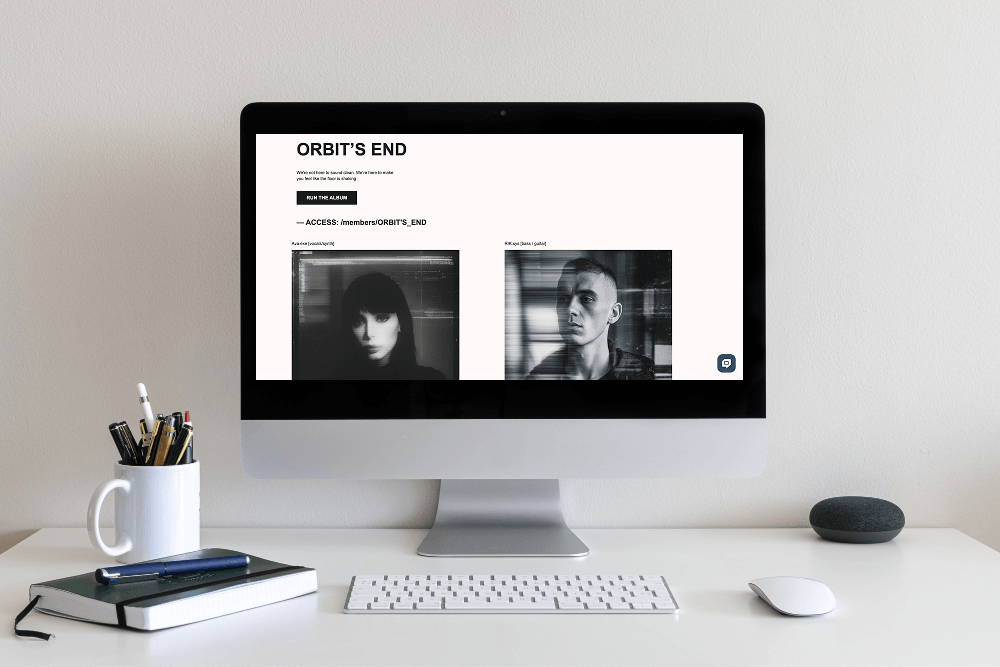
Your website should function as your digital portfolio.
Create Organized Galleries
Group artwork into collections that make sense for visitors.
Examples include:
- Paintings
- Photography
- Illustrations
- Sculptures
- Album releases
- Live performances
A clean portfolio makes it easier for potential clients, galleries, or fans to explore your work.

Tell the Story Behind Your Work
Adding short descriptions helps visitors better understand your creative process.
For example, a musician could explain the inspiration behind an album, while an illustrator might describe the ideas behind a series of digital artworks.
Stories create stronger emotional connections.
Keep Your Portfolio Updated
Regularly adding new projects shows that you're active and continuously creating. Fresh content also encourages returning visitors and keeps your website relevant.
Strengthen Your Musician Online Presence
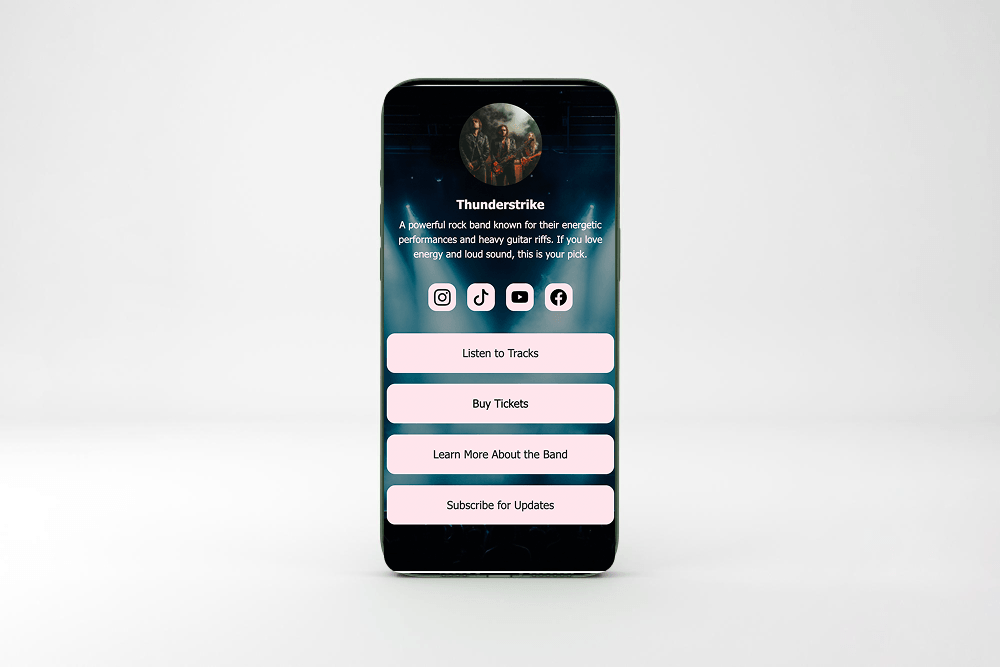
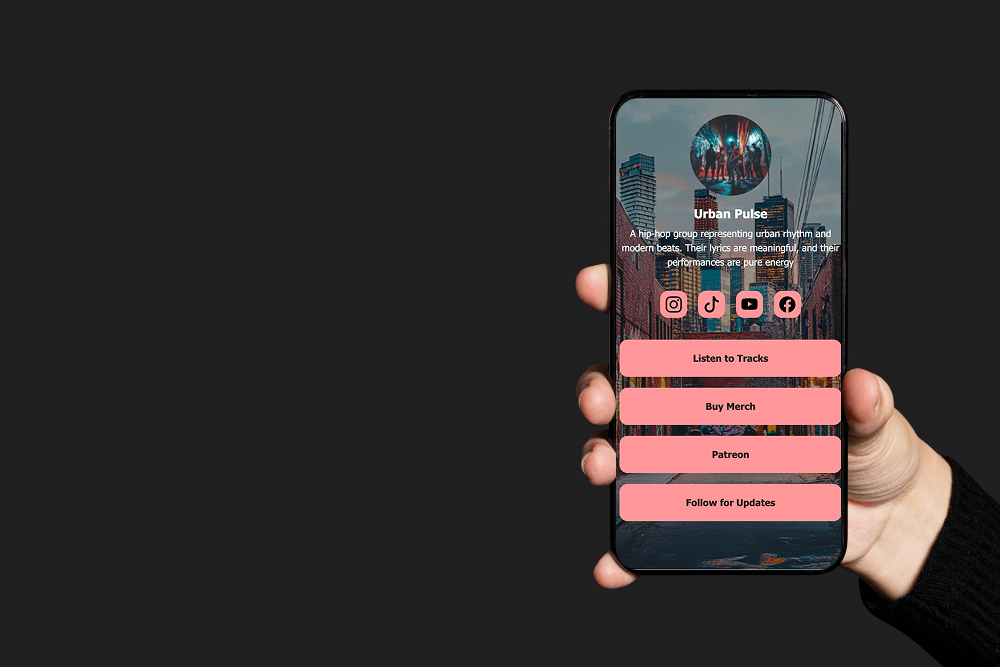
Musicians benefit especially from having their own website.
Include sections such as:
- Biography
- Discography
- Tour dates
- Music videos
- Press coverage
- Merchandise
- Contact information
A dedicated website gives fans one reliable place to stay connected.
Sell Your Work Directly
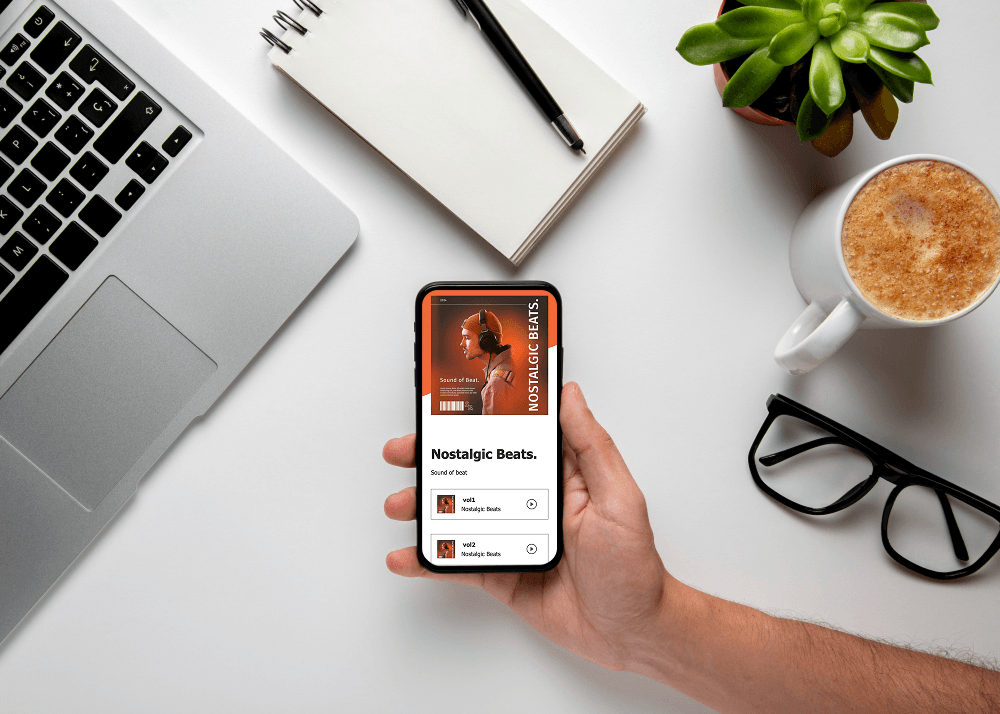
An artist website allows creators to monetize their work more effectively.
You can promote:
- Original artwork
- Prints
- Music downloads
- Merchandise
- Tickets
- Digital products
- Commission services
For example, an illustrator can accept commission requests directly from the website, while a musician can sell vinyl records or exclusive merchandise.
Selling directly gives you greater control over your business and customer relationships.
Build Trust with Your Audience
Professional websites increase credibility.
Ways to build trust include:
- Artist biography
- Client testimonials
- Press mentions
- Awards
- Exhibition history
- Media features
For instance, a gallery owner is more likely to take an artist seriously if they can quickly view a polished portfolio and professional background.
Trust often leads to new opportunities.
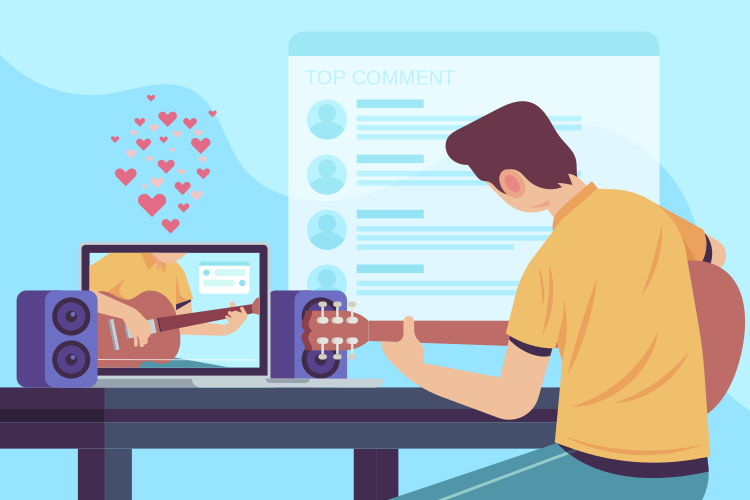
Essential Features for an Artist Website
These features help create a professional online experience for both artists and audiences.
How ME-Page Supports Creative Professionals
ME-Page makes it easy for artists and musicians to build websites that reflect their personal style.
Flexible Portfolio Layouts
Showcase artwork, albums, photography, or performances using customizable page structures. This flexibility helps each creator build a website that matches their unique brand.
Simple Content Updates
New projects, exhibitions, and releases can be added quickly without technical knowledge. This keeps your portfolio current and engaging.
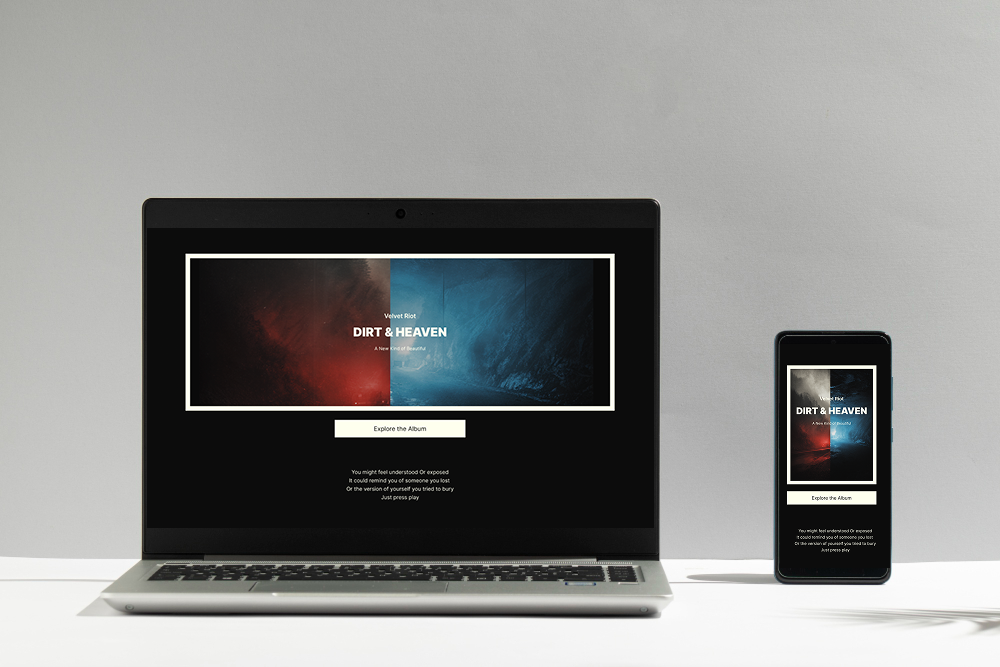
Responsive Design
Visitors can browse your website comfortably on smartphones, tablets, or desktop computers. A mobile-friendly experience is especially important for audiences arriving from social media.
Professional Branding
ME-Page allows creators to organize their work in a polished, professional environment that strengthens both their reputation and musician online presence.
Tips for Growing Your Audience
Your website should support your long-term creative goals.
Consider these strategies:
- Update your portfolio regularly.
- Share your website across social media.
- Build an email newsletter.
- Publish behind-the-scenes content.
- Write about your creative process.
- Add upcoming events and exhibitions.
- Showcase customer testimonials.
- Optimize pages for search engines.
- Include clear calls-to-action.
- Make it easy for visitors to contact you.
Consistent improvements help grow both your audience and your opportunities.
Common Mistakes to Avoid
Many artists unintentionally weaken their online presence.
- Outdated portfolios
- Missing contact information
- Slow-loading images
- Poor mobile optimization
- Inconsistent branding
- Broken links
- Difficult navigation
- Relying only on social media
A simple, organized website often leaves a stronger impression than an overly complex one.

Conclusion
Social media is an excellent tool for building awareness, but it should complement, not replace, your own website. A professional artist website gives you complete control over how your work is presented while creating a lasting home for your creative portfolio.
Whether you're building a stronger musician online presence, promoting exhibitions, selling artwork, or connecting with new audiences, your website becomes the center of your creative brand. With ME-Page, artists can build beautiful, easy-to-manage websites that grow alongside their careers and provide a professional destination beyond the limits of social media.
Frequently Asked Questions about Artist Website
Yes. A website gives you full control over your content and branding, while social media platforms can change their algorithms or features at any time.
Was This Article Helpful?
Click on a star to rate it!
Average Rating: 5/5
Voutes: 1
Share with Friends:



Previous
Selling Digital Products with ME-Page: What You Need
Next
Using Subpages to Build Service, Pricing, and About Pages
Recent Articles
Everything You Need to Know About Using ME-Page Constructor for Your Website.
How to Choose Between a Template and a Blank Page in ME-Page
Starting a website project comes with an important decision: should you use a ready-made template or build you...
How Photographers Can Build a Client-Ready Website with ME-Page
Your photographs tell stories, capture emotions, and show how you see the world. But when potential clients wa...
How to Use CSS to Fine-Tune ME-Page Website Elements
A website builder makes it easy to create pages without writing code, but sometimes the standard design option...

How to Use Search Intent to Plan Pages for Your Website
Choosing keywords is an important part of SEO, but knowing what people expect to find when they search is just...

How to Design an Effective Testimonials Section for Your Website
When people visit your website for the first time, they don't always know what to expect. They may like your s...

How to Add Social Media Links to Your ME-Page Website
Your website gives visitors a place to learn about you, explore your work, and discover what you offer. But yo...
How to Choose Between a Template and a Blank Page in ME-Page
Starting a website project comes with an important decision: should you use a ready-made template or build you...
How Photographers Can Build a Client-Ready Website with ME-Page
Your photographs tell stories, capture emotions, and show how you see the world. But when potential clients wa...
How to Use CSS to Fine-Tune ME-Page Website Elements
A website builder makes it easy to create pages without writing code, but sometimes the standard design option...
How to Use Search Intent to Plan Pages for Your Website
Choosing keywords is an important part of SEO, but knowing what people expect to find when they search is just...
How to Design an Effective Testimonials Section for Your Website
When people visit your website for the first time, they don't always know what to expect. They may like your s...
How to Add Social Media Links to Your ME-Page Website
Your website gives visitors a place to learn about you, explore your work, and discover what you offer. But yo...


