Me-Page Team
Last modified 16 Apr 2026
A restaurant website isn’t just about looking good, it’s about getting people through the door. If your site doesn’t turn visitors into guests, it’s missing its main purpose.
With the right restaurant website design and a clear online menu, you can create a seamless experience that encourages people to book a table, place an order, or visit in person. Let’s break down what makes a restaurant website truly effective, and how to build one using tools like ME-Page.
Why Restaurant Websites Matter More Than Ever
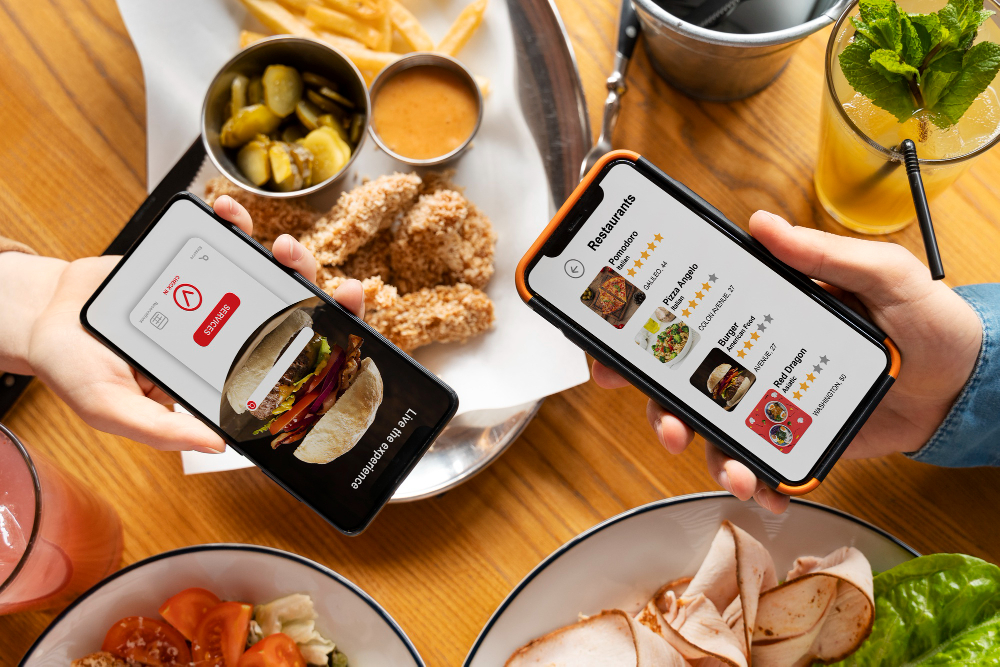
Before choosing where to eat, most people check online first.
They want to see:
- The menu
- Photos of food and space
- Location and hours
- Reviews and vibe
If your website doesn’t deliver this quickly, they’ll move on to another option.
Key Elements of High-Converting Restaurant Website Design
1. Clear First Impression
Visitors should instantly understand:
- What type of cuisine you offer
- Your brand style (casual, fine dining, etc.)
- Your main offer
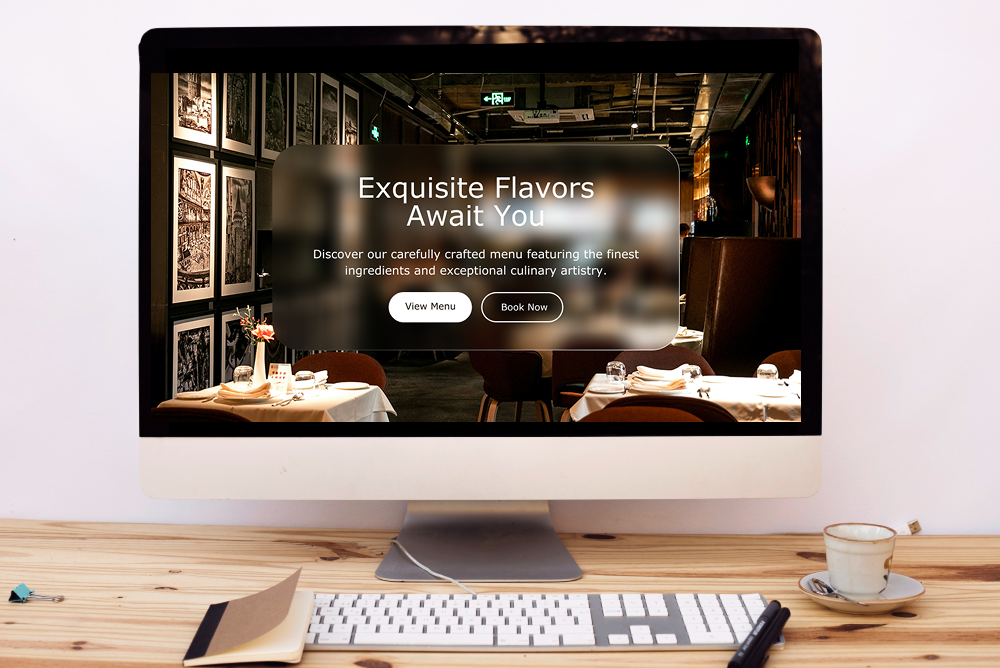
Use a strong headline and high-quality visuals to set the tone.
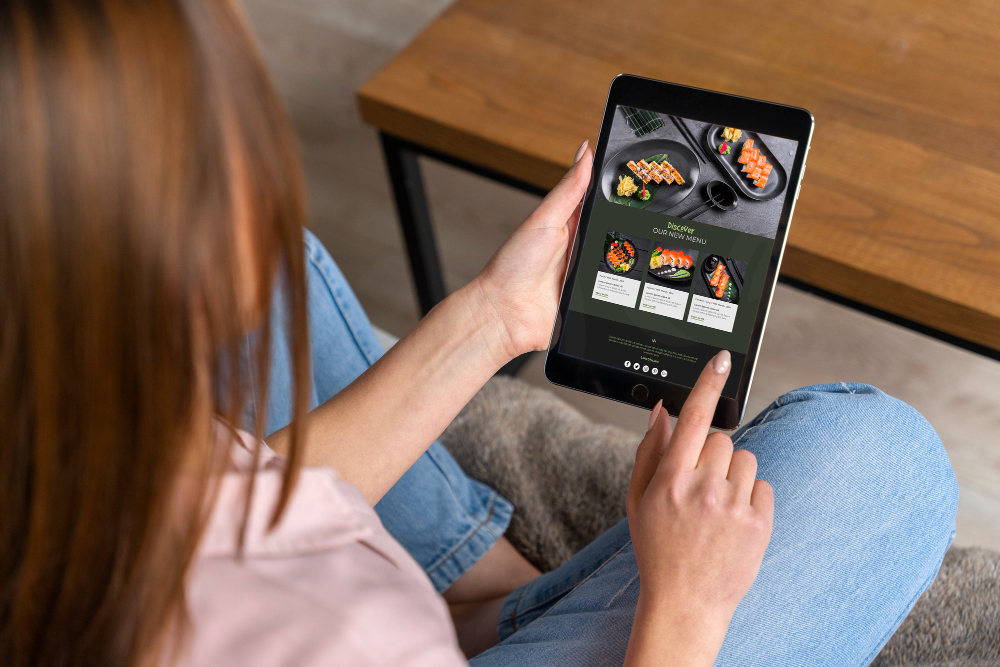
2. Easy-to-Find Online Menu
Your online menu is the most important part of your website.
Make sure it is:
- Easy to access (no downloads required)
- Mobile-friendly
- Clearly structured with categories
A confusing or hidden menu can cost you customers.
3. Mobile-First Experience
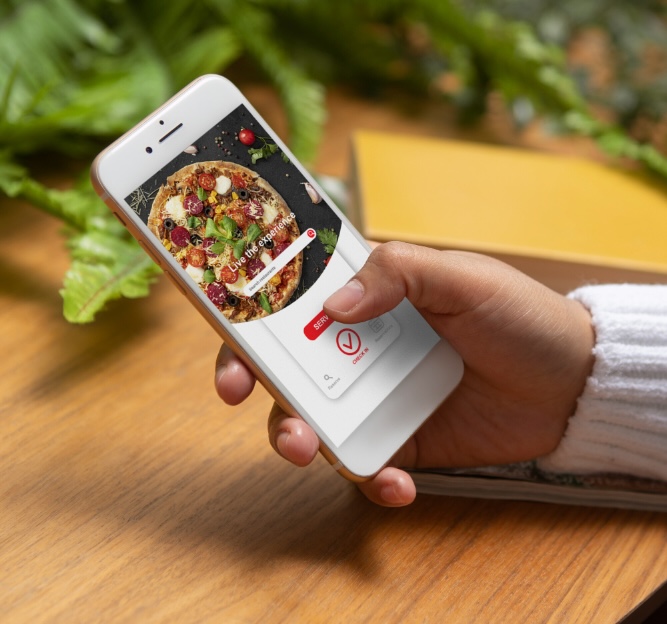
Most users will visit your site from their phones.
Your design should:
- Load quickly
- Be easy to navigate
- Display content clearly on small screens
Platforms like ME-Page help you create responsive layouts that work perfectly on mobile.
4. Strong Call-to-Action
Tell visitors exactly what to do next.
Examples:
- “Book a table”
- “Order online”
- “Call now”
Place these buttons where they’re easy to see and tap.
5. High-Quality Images
Food is visual, your website should reflect that.
Include:
- Professional food photos
- Interior shots
- Atmosphere visuals
Good images create desire and build trust.
Essential Features Comparison
How to Structure Your Restaurant Website
Homepage
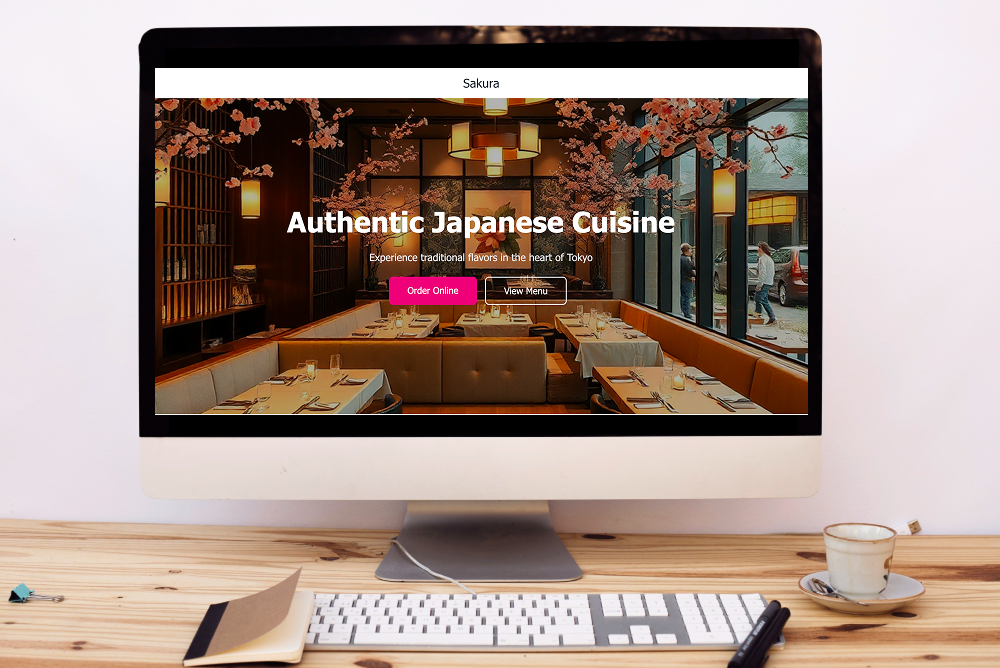
Your homepage is your first and most important impression. It should instantly communicate your restaurant’s identity, including cuisine type, atmosphere, and unique selling point. Use high-quality images, a clear headline, and a short description to capture attention right away.
In addition, your homepage should guide visitors toward action. Include visible buttons like “View Menu” or “Book a Table” so users know exactly what to do next. Keep the layout clean and focused to avoid overwhelming visitors, especially on mobile devices.
Menu Page
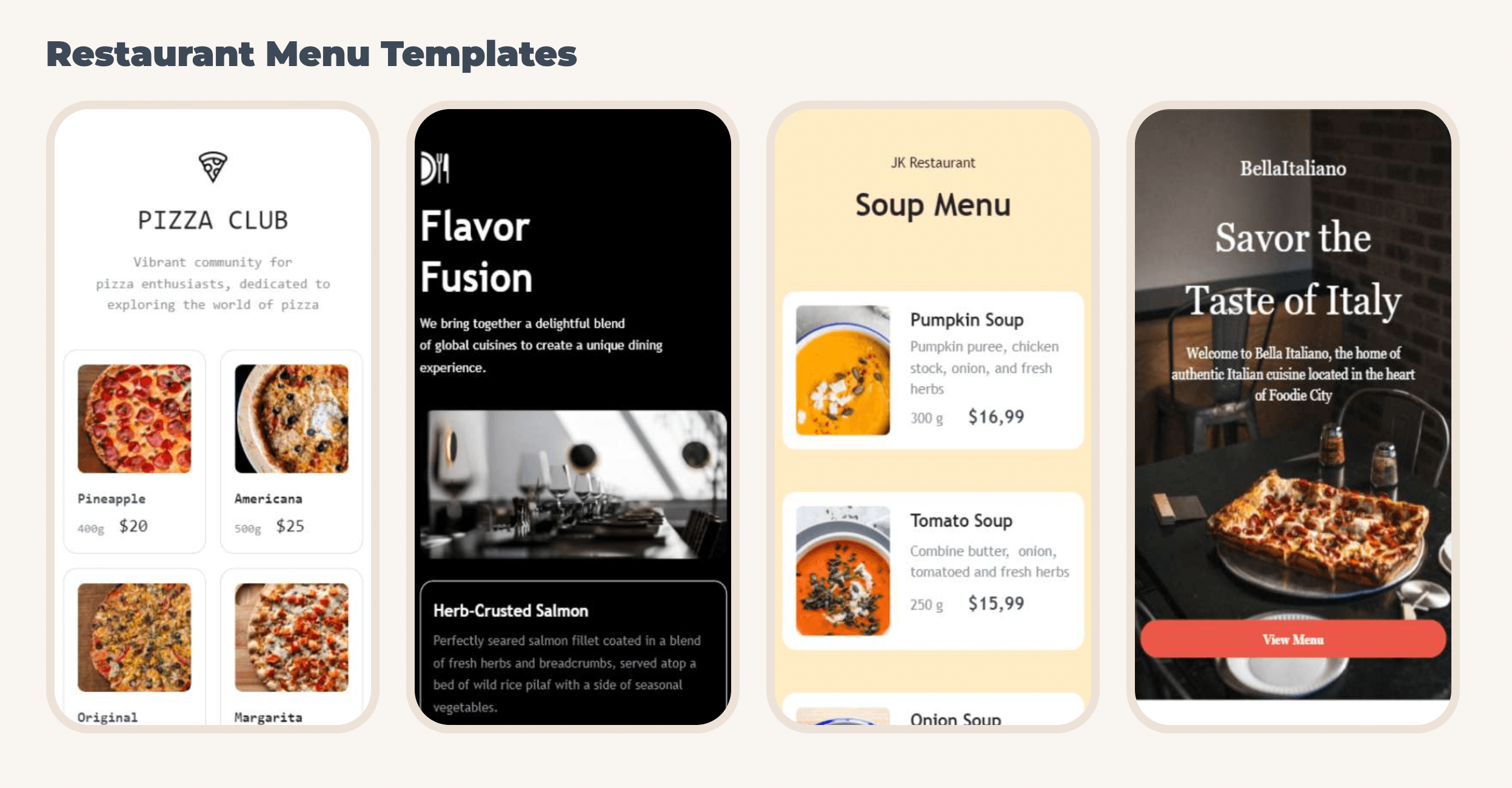
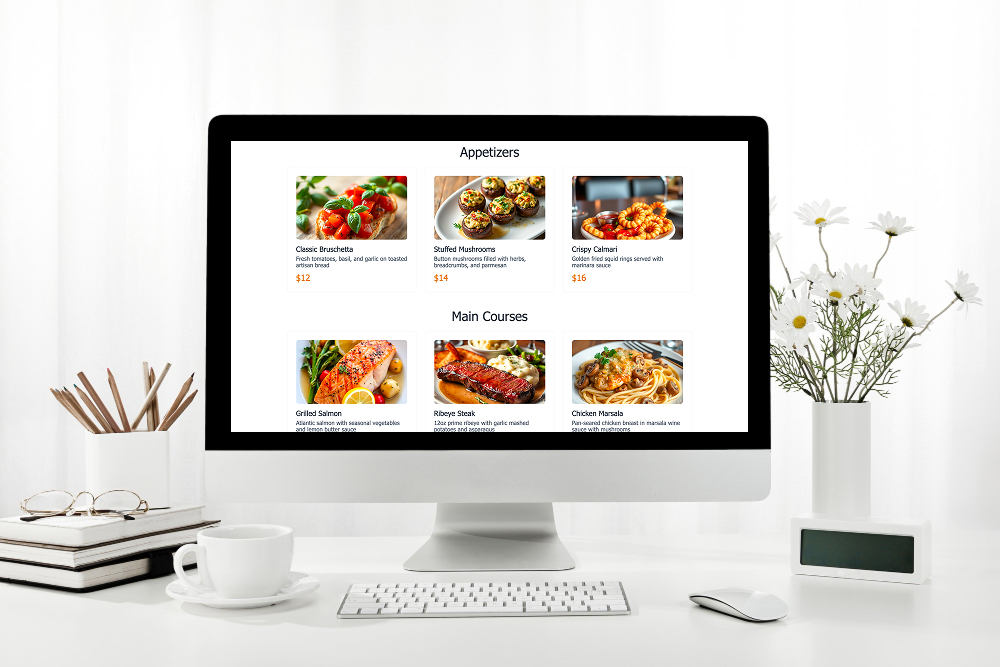
The menu page is often the most visited section of your website, so it needs to be clear, accessible, and easy to read. Your online menu should be well-organized into categories like starters, main courses, desserts, and drinks. This helps users quickly find what they’re looking for without confusion.
Avoid using downloadable PDFs, as they can slow down the experience and are not mobile-friendly. Instead, display your menu directly on the page with clean formatting and readable text. Adding short descriptions or highlighting popular items can also enhance the browsing experience and influence decisions.
About Page
Your About page is where you build a personal connection with your visitors. This is your chance to share your story, your inspiration, and what makes your restaurant unique. Whether it’s your chef’s background, your philosophy, or your ingredients, make it authentic and engaging.
A well-written About page helps build trust and emotional connection. People are more likely to visit a restaurant when they feel connected to its story. Keep the tone warm and human, while still staying concise and relevant.
Contact Page
The contact page should make it as easy as possible for customers to reach you. Include essential information like your address, phone number, opening hours, and email if applicable. This information should be clearly visible and always up to date.
You can also enhance this page by adding a map for easy navigation and a direct call-to-action like “Call Now” or “Get Directions.” The simpler you make it for customers to contact or find you, the more likely they are to visit. A well-structured contact page removes friction and improves conversions significantly.
Tips to Increase Conversions
Make Navigation Effortless
Users should be able to find what they’re looking for within seconds. A simple and intuitive navigation structure helps visitors move smoothly between pages without confusion. Clear menu labels like “Menu,” “Reservations,” and “Contact” make the experience more user-friendly. When navigation is easy, users are more likely to stay longer and take action.
Keep It Fast
Website speed plays a huge role in whether visitors stay or leave. If your site takes too long to load, potential guests may lose interest and choose another restaurant instead. Fast-loading pages create a smoother and more enjoyable browsing experience. Using optimized platforms like ME-Page helps ensure your website performs well from the start.
Highlight Popular Items
Many visitors don’t want to spend time deciding what to order. Featuring your best-selling or signature dishes helps guide their choices and makes the decision process easier. You can highlight these items visually or mark them clearly on your online menu. This not only improves user experience but can also increase average order value.
Add Social Proof
People trust other people’s opinions, especially when choosing where to eat. Including reviews, testimonials, or ratings on your website builds credibility and reassures potential customers. Positive feedback can influence decisions and encourage visitors to take action. Even a few well-placed reviews can make a big difference in conversion rates.
Use the Right Platform
The platform you use can directly impact your website’s performance and usability. A reliable tool like ME-Page allows you to build a fast, clean, and optimized website without technical complexity. It also offers templates designed for performance and user experience. This makes it easier to create a website that not only looks good but also converts visitors into guests.
Conclusion
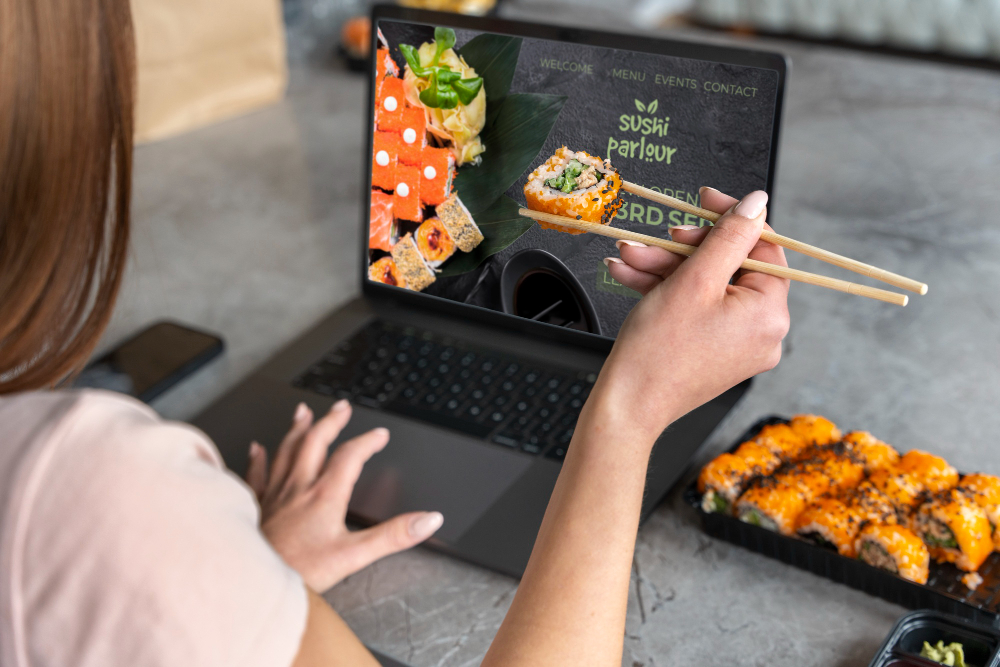
A great restaurant website doesn’t just showcase your food, it drives real results. With the right restaurant website design and a well-structured online menu, you can turn casual visitors into paying guests.
Focus on clarity, speed, and simplicity. Make it easy for users to explore your offerings and take action.
With platforms like ME-Page, building a high-converting restaurant website becomes simple and efficient. You get the tools you need to create a fast, modern site that brings more people to your tables.
Frequently Asked Questions about Restaurant Website
Yes, absolutely. Most users search for restaurants on their phones, often while on the go. A mobile-friendly site ensures they can easily browse your menu and contact you without frustration.
It depends on your business model, but it can be very beneficial. Online ordering adds convenience for customers and can increase revenue. Even if you don’t offer delivery, takeaway options can help.
You can use platforms like ME-Page to create your site quickly without coding. These tools provide ready-made templates and easy customization options. This allows you to focus on your content and business instead of technical setup.
Was This Article Helpful?
Click on a star to rate it!
Average Rating: 5/5
Voutes: 1
Share with Friends:


Previous
Personal Websites in 2026: What to Include and What to Skip

Next
When and Why to Use Custom Code on ME-Page
Recent Articles
Everything You Need to Know About Using ME-Page Constructor for Your Website.

Essential Pages Every Business Website Should Include
A business website doesn't need dozens of pages to look professional. What it does need is a clear structure t...

How to Write Website Headlines That Attract More Visitors
A headline is often the first piece of text people notice when they open a website. Before they read your para...
How Freelancers Can Organize Services, Portfolio, and Contacts on...
Freelancers often wear many hats. One day you're working on a client project, the next you're answering inquir...
How to Choose the Right Website Structure for Your Project
Before you choose colors, fonts, images, or buttons for your website, there is one decision worth making first...
Why Every Business Website Needs an FAQ Page
When people visit a business website, they rarely arrive without questions. They may want to know how a servic...
Best Homepage Sections Every Small Business Website Should Include
Your homepage is often the first place potential customers visit when they discover your business online. In j...
Essential Pages Every Business Website Should Include
A business website doesn't need dozens of pages to look professional. What it does need is a clear structure t...
How to Write Website Headlines That Attract More Visitors
A headline is often the first piece of text people notice when they open a website. Before they read your para...
How Freelancers Can Organize Services, Portfolio, and Contacts on...
Freelancers often wear many hats. One day you're working on a client project, the next you're answering inquir...
How to Choose the Right Website Structure for Your Project
Before you choose colors, fonts, images, or buttons for your website, there is one decision worth making first...
Why Every Business Website Needs an FAQ Page
When people visit a business website, they rarely arrive without questions. They may want to know how a servic...
Best Homepage Sections Every Small Business Website Should Include
Your homepage is often the first place potential customers visit when they discover your business online. In j...