Me-Page Team
Last modified 5 May 2026
Article Plan
- The Problem with Traditional Link in Bio Tools
- The Shift: From Social Media to Website
- A Real Use Case: Personal Brand Creator
- What Makes This a Better Link in Bio Alternative?
- How ME-Page Bridges Social Media and Websites
- Practical Tips to Make It Work
- Common Mistakes to Avoid
- Conclusion
- Frequently Asked Questions
Social media is great for attention, but not always for conversion. You can get likes, comments, even shares, but turning that traffic into actual results? That’s where things get tricky.
This is exactly why more creators and businesses are moving from social media to website strategies. Instead of relying on a single “link in bio,” they’re building structured, conversion-focused pages using tools like ME-Page.
Let’s walk through a real-world style use case so you can see how it works, and how to apply it yourself.

The Problem with Traditional Link in Bio Tools
Most people start with a basic “link in bio” tool. It’s quick and easy, but also limited.
Here’s what typically happens:
- You list multiple links
- Users click… then leave
- No real journey or structure
- Low conversion rates
A standard link hub doesn’t guide users, it just redirects them.
That’s why many are now searching for a better link in bio alternative.
The Shift: From Social Media to Website
Instead of sending followers to a simple list of links, smart creators are building mini-websites.
This shift from social media to website changes everything:
- You control the user experience
- You create a clear path (not just options)
- You build trust with structured content
- You increase conversions
And the best part? You don’t need a full complex website. A well-designed ME-Page can do the job.

A Real Use Case: Personal Brand Creator
Let’s say you’re a content creator, posting on Instagram, TikTok, or YouTube.
Traditional Setup
- Bio link → link hub
- 5–10 random links
- No storytelling
- Low engagement after the click
Using ME-Page
You create a structured page with a custom page layout:
- Hero Section → Who you are + what you offer
- Featured Content → Highlight your best videos or posts
- Services/Offers → Coaching, courses, or products
- Testimonials → Build credibility
- Call-to-Action → Clear next step (book, buy, subscribe)
Now, instead of just clicking around, visitors follow a journey.

What Makes This a Better Link in Bio Alternative?
A ME-Page isn’t just a link list, it’s a conversion tool. Here’s a quick comparison:
This is why more users are replacing their link hubs with a true link in bio alternative.
How ME-Page Bridges Social Media and Websites
ME-Page makes the transition from social media to website smooth and beginner-friendly.

Easy Setup
You can build a page quickly without technical skills. The interface is intuitive, so you don’t waste time figuring things out. For example, a creator can launch a polished page in minutes instead of spending days on a full website build. This makes it ideal for anyone who wants fast results without complexity.
Custom Layouts
Design each section based on your goals, whether it’s sales, bookings, or content. You’re not stuck with a rigid structure, so every page can serve a clear purpose. For instance, a freelancer can create a layout focused on client inquiries, while a coach can highlight programs and testimonials. This flexibility turns ME-Page into a powerful link in bio alternative.
Mobile Optimization
Since most traffic comes from social media, your page looks perfect on mobile devices. Everything is designed to load fast and display cleanly on smaller screens. For example, buttons are easy to tap, and content is spaced for scrolling. This ensures users coming from Instagram or TikTok have a smooth experience.
Focus on Conversions
Instead of distractions, your page guides users toward action. Each section is built to move visitors closer to a specific goal. For example, a clear CTA like “Book Now” or “Get Access” can significantly improve results. This structured approach helps turn casual clicks into real outcomes.

Practical Tips to Make It Work
If you want to turn your social traffic into real results, here’s what to focus on:

Start with One Goal
Don’t try to do everything at once. Choose one clear objective, like collecting emails or selling a product, so your page stays focused. For example, a fitness coach might direct all traffic to a “Book a Free Session” CTA. A digital creator could focus only on growing a newsletter instead of promoting multiple platforms.
Simplify the Journey
Guide users step-by-step instead of overwhelming them with too many options. The easier it is to navigate, the more likely visitors will take action. For instance, an online store owner might lead users from a product highlight directly to checkout. A freelancer could guide visitors from an introduction section straight to a booking form.
Use Strong Visual Sections
Break your page into clear, visually distinct blocks to improve readability and engagement. This helps users quickly scan and understand your content. For example, a photographer might separate portfolio images, testimonials, and pricing into clean sections. A coach could use bold headings and cards to divide services, results, and client success stories.
Highlight Value First
Always show what users gain before asking them to act. When people immediately see value, they’re more likely to stay and convert. For example, a course creator might start with “Learn how to earn your first $1,000 online” before showing the purchase button. A consultant could highlight key results like “Helped 50+ clients increase revenue” before offering a call booking.
Track and Improve
Monitor how users interact with your page and refine it over time. Small changes can lead to big improvements in performance. For instance, you might test two different headlines to see which gets more clicks. Or adjust the placement of your CTA button if users aren’t scrolling far enough to see it.


Common Mistakes to Avoid
Even with a great tool, execution matters.
Avoid these:
- Turning your page into a cluttered link list
- Ignoring mobile experience
- Hiding your main offer
- Not using clear CTAs
- Overcomplicating design
Remember: simplicity converts.
Conclusion
Moving from social media to website is one of the smartest upgrades you can make if you want real results, not just engagement.
A strong link in bio alternative like ME-Page allows you to build a structured, conversion-focused experience instead of relying on scattered links.
With a well-designed page, you can guide visitors, build trust, and turn clicks into meaningful actions. Whether you’re a creator, freelancer, or business owner, ME-Page gives you the flexibility to grow without complexity.
If your current setup isn’t converting, it’s probably time to move beyond the basic link hub, and start building something that actually works.
Frequently Asked Questions
It depends on your needs. For social media traffic and quick conversions, a ME-Page is often more efficient and easier to manage.
Yes, but they’re organized within a structured layout instead of a simple list, making them more effective.
By guiding users through a clear journey instead of giving them random choices.
Creators, influencers, freelancers, and small businesses can all benefit from a more structured approach.
Was This Article Helpful?
Click on a star to rate it!
Average Rating: 5/5
Voutes: 2
Share with Friends:


Previous
Advanced Page Structures: Custom Layouts for Subpages
Next
How ME-Page Hosting Works: Stability, Speed, and Security
Recent Articles
Everything You Need to Know About Using ME-Page Constructor for Your Website.

How to Use Search Intent to Plan Pages for Your Website
Choosing keywords is an important part of SEO, but knowing what people expect to find when they search is just...
How to Design an Effective Testimonials Section for Your Website
When people visit your website for the first time, they don't always know what to expect. They may like your s...

How to Add Social Media Links to Your ME-Page Website
Your website gives visitors a place to learn about you, explore your work, and discover what you offer. But yo...
How to Write SEO-Friendly Page Titles and Meta Descriptions
When people search for something on Google, they usually see a list of results with a clickable title and a sh...
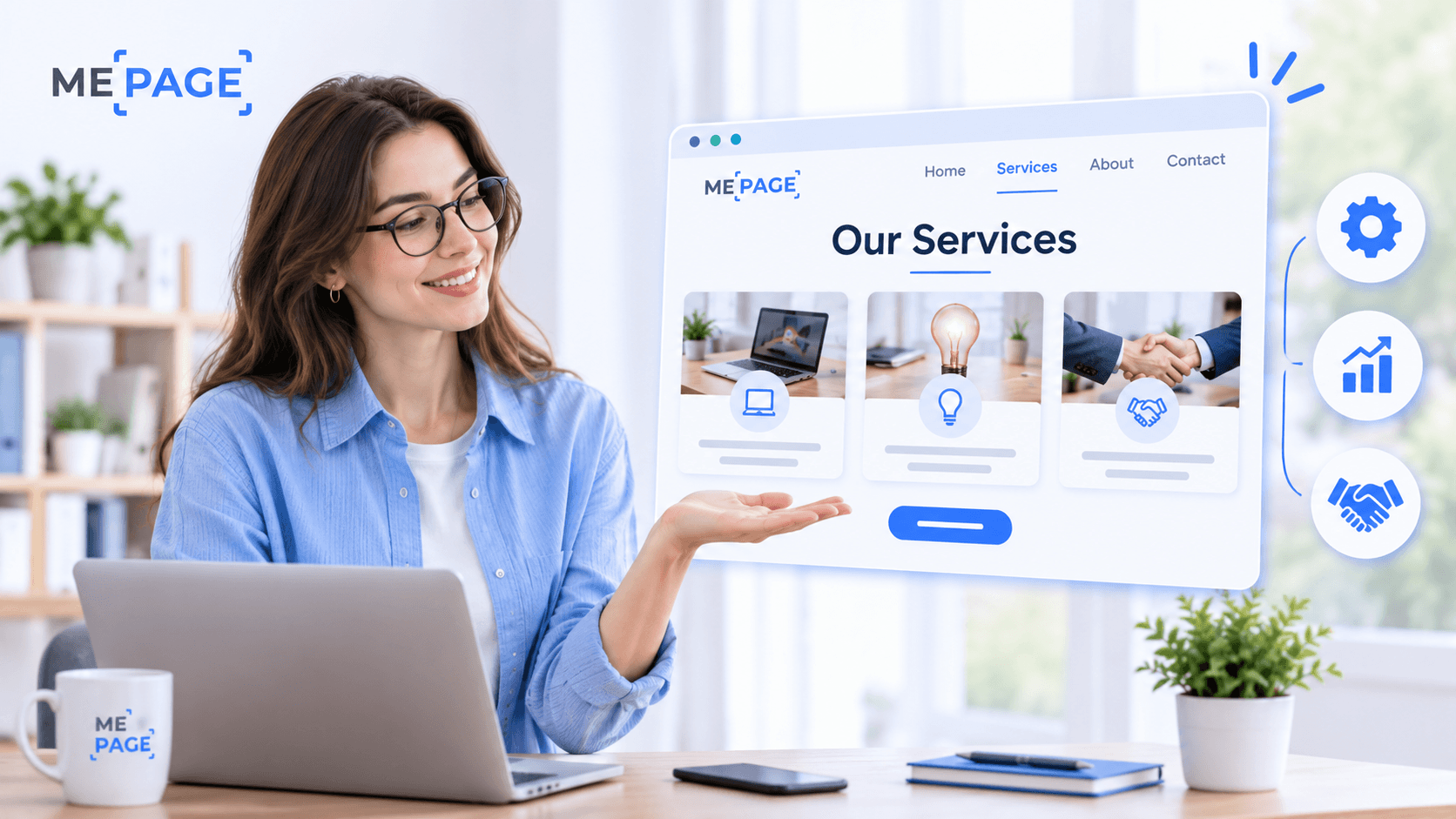
How to Create an Effective Services Page for Your Business
When potential customers visit your business website, they want to understand what you offer, how you can help...

How to Create a Navigation Menu for a Multi-Page Website
A website can have excellent content, attractive visuals, and useful features, but visitors may still leave if...
How to Use Search Intent to Plan Pages for Your Website
Choosing keywords is an important part of SEO, but knowing what people expect to find when they search is just...
How to Design an Effective Testimonials Section for Your Website
When people visit your website for the first time, they don't always know what to expect. They may like your s...
How to Add Social Media Links to Your ME-Page Website
Your website gives visitors a place to learn about you, explore your work, and discover what you offer. But yo...
How to Write SEO-Friendly Page Titles and Meta Descriptions
When people search for something on Google, they usually see a list of results with a clickable title and a sh...
How to Create an Effective Services Page for Your Business
When potential customers visit your business website, they want to understand what you offer, how you can help...
How to Create a Navigation Menu for a Multi-Page Website
A website can have excellent content, attractive visuals, and useful features, but visitors may still leave if...


