Me-Page Team
Last modified 14 May 2026
Article Plan
- Why Every Creator Needs a Website
- Start with a Clear Personal Brand
- Choose the Right Website Structure
- Focus on Personal Branding Online
- Essential Features Every Creator Website Should Include
- Why Mobile Optimization Matters
- How ME-Page Helps Creators Build Faster
- Conclusion
- Frequently Asked Questions about How Creators Can Build a Personal Brand Website
In today’s digital world, relying only on social media is risky. Algorithms change, platforms evolve, and audience reach can disappear overnight. That’s why more creators are building a dedicated creator website to strengthen their presence and take control of their audience.
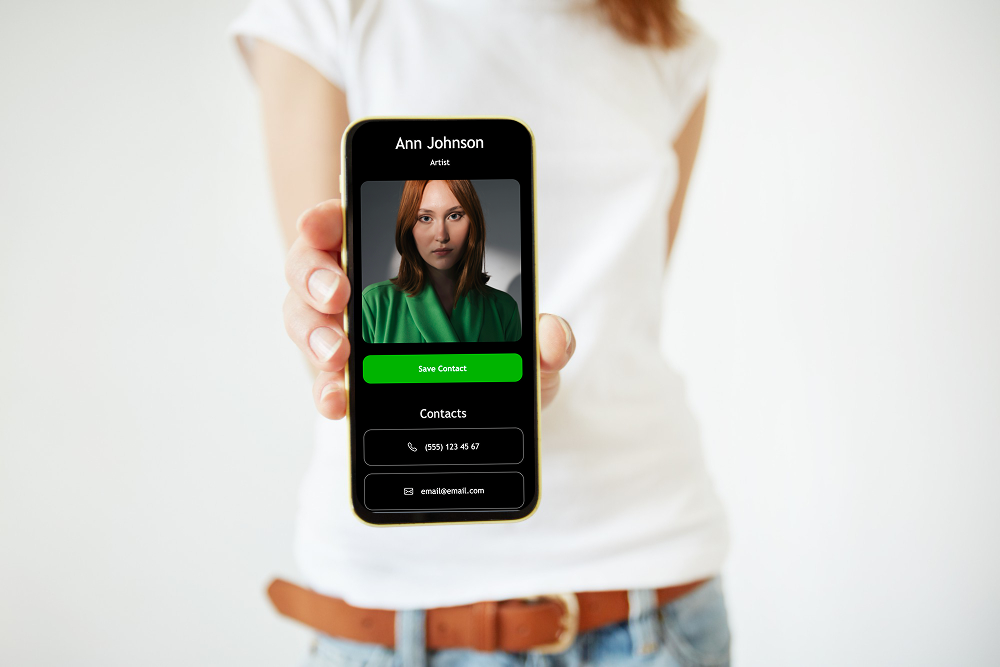
A personal website isn’t just a portfolio—it’s your digital home. It helps establish authority, showcase your work, and support long-term personal branding online.
Whether you’re a content creator, freelancer, coach, artist, or influencer, having your own space online can make a huge difference.
Why Every Creator Needs a Website
Social media platforms are useful for discovery, but they shouldn’t be your only platform.
A creator website gives you:
- Full control over your content
- Better branding opportunities
- Higher credibility
- More ways to monetize
- A direct connection with your audience
For example, a YouTuber can use a website to sell courses or collect email subscribers. A photographer can showcase work professionally without relying entirely on Instagram.
Start with a Clear Personal Brand
Before building your website, define your identity.
Ask yourself:
- What do you want to be known for?
- Who is your audience?
- What makes your content unique?
Strong personal branding online starts with consistency. Your tone, visuals, messaging, and content should align across platforms.
For instance, a fitness creator may focus on motivation and healthy living, while a tech creator might prioritize tutorials and product insights.
Choose the Right Website Structure
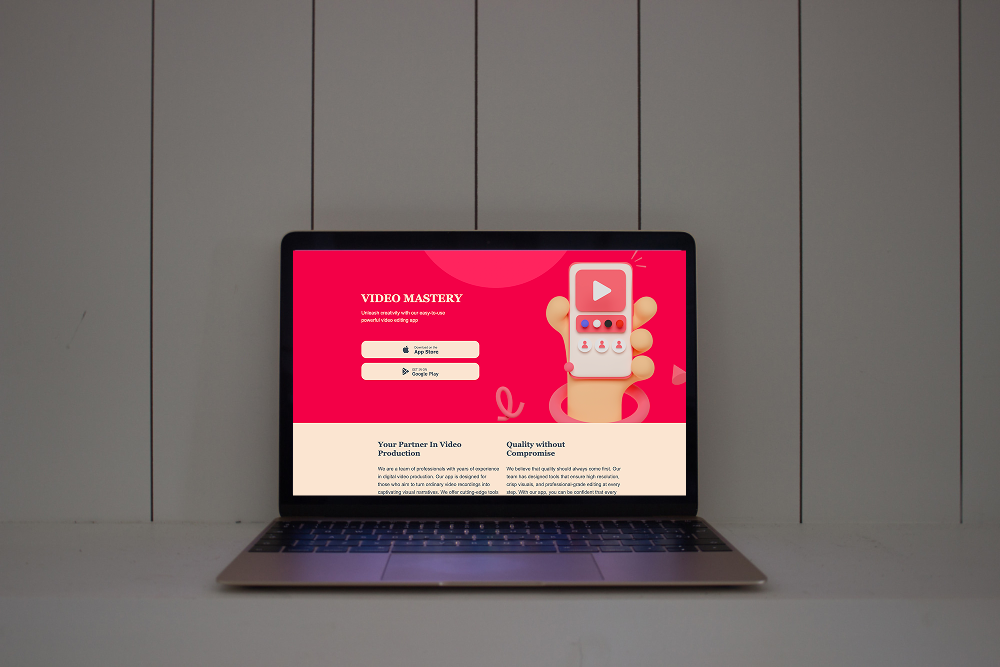
A good website should feel simple and intentional—not cluttered.

Homepage
Your homepage should quickly explain who you are and what you offer. Visitors should understand your value within seconds. For example, a creator could feature a headline like “Helping Freelancers Grow Online” alongside a short introduction. This creates a strong first impression and improves engagement.
About Page
People connect with stories, not just content. Use your About page to share your background, experience, and mission. For instance, an artist might explain how they started creating digital art, while a coach could share their personal transformation journey. This helps build trust and authenticity.
Content or Portfolio Section
Showcase your best work in an organized way. This could include videos, articles, case studies, podcasts, or design projects. For example, a videographer can create separate categories for commercials and travel videos. A writer might organize articles by niche or topic.
Contact or Booking Page
Make it easy for people to reach you. Include clear contact options, booking forms, or collaboration details. For example, brands looking for partnerships should immediately know how to connect with you. A simple and accessible contact page increases opportunities.
Focus on Personal Branding Online
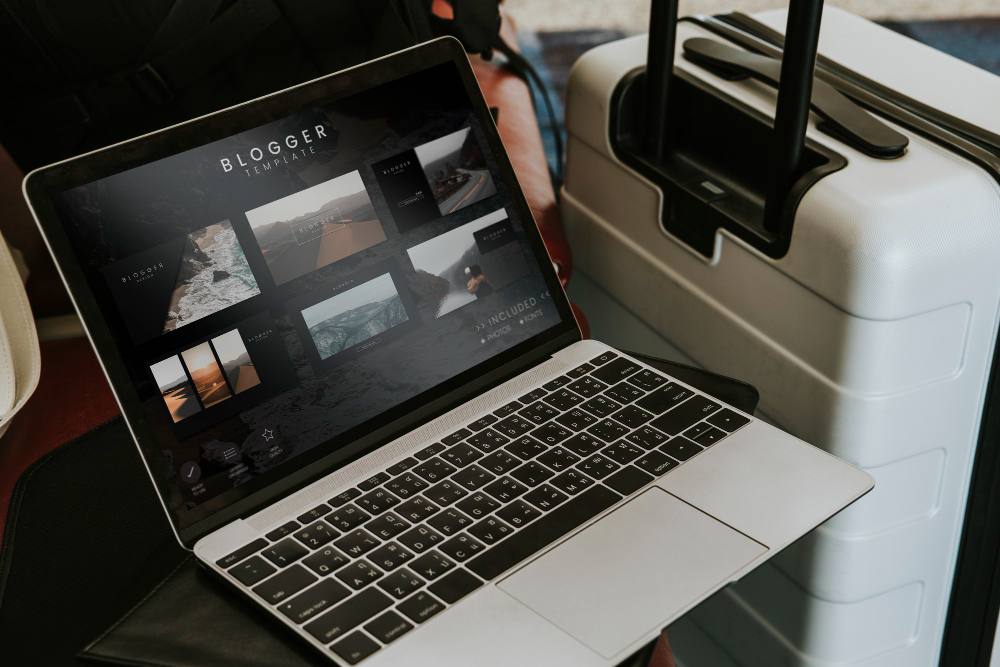
Your website should reflect your personality and style.
Use Consistent Visuals
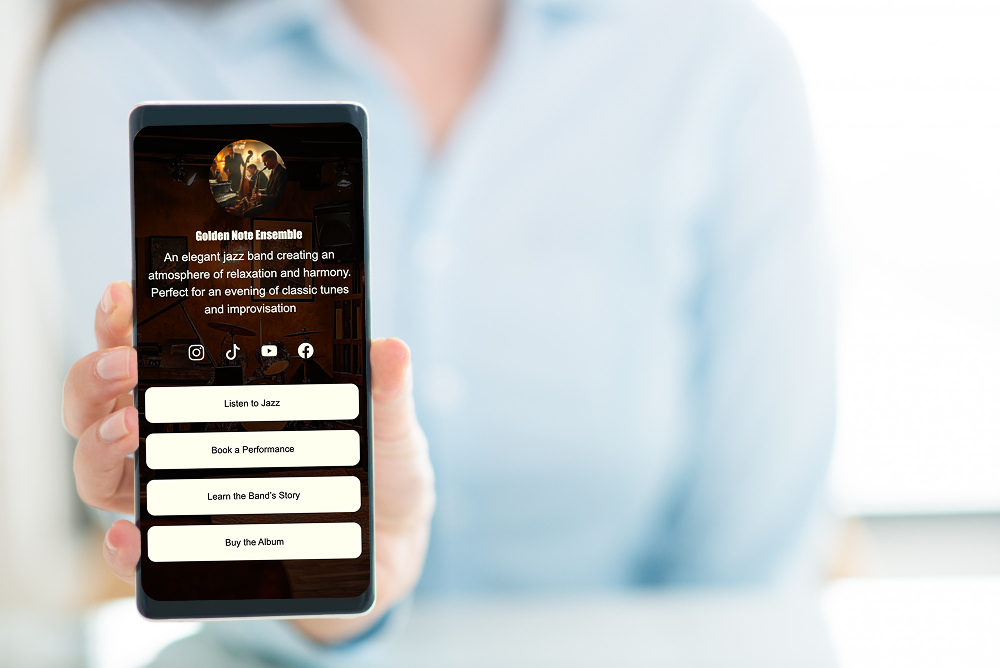
Choose colors, fonts, and images that match your brand identity. Consistency helps visitors recognize your content instantly. For example, a minimalist creator may use clean layouts and neutral tones, while a gaming creator could use bold visuals and energetic design. Strong visuals reinforce your brand image.
Create a Unique Voice
Write the way you naturally speak to your audience. A conversational tone feels more human and relatable. For instance, lifestyle creators often use casual and friendly language, while business creators may use more professional communication. Your voice becomes part of your brand.
Highlight Your Expertise
Show visitors why they should follow or trust you. This can include testimonials, achievements, collaborations, or results. For example, a marketing creator might mention successful campaigns or client growth numbers. Social proof strengthens credibility.
Essential Features Every Creator Website Should Include
Here’s a quick overview of important website elements:
These features help support stronger personal branding online while improving usability.
Why Mobile Optimization Matters
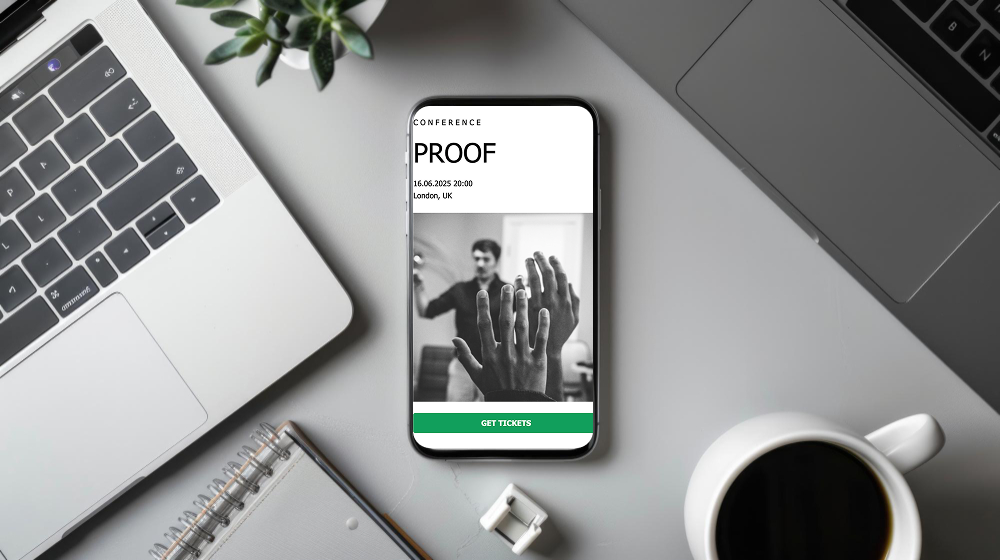
Most users will visit your site from a smartphone. That means your creator website needs to load quickly and look clean on smaller screens.
Faster User Experience
Visitors expect pages to open instantly. Slow-loading websites often lead to higher bounce rates. For example, someone clicking your TikTok bio link may leave within seconds if the page feels slow. Speed keeps users engaged.
Better Content Consumption
Mobile-friendly layouts make reading, watching videos, and navigating easier. A clean structure improves overall interaction and encourages visitors to stay longer.
How ME-Page Helps Creators Build Faster
Building a website used to require technical skills, but platforms like ME-Page simplify the process.
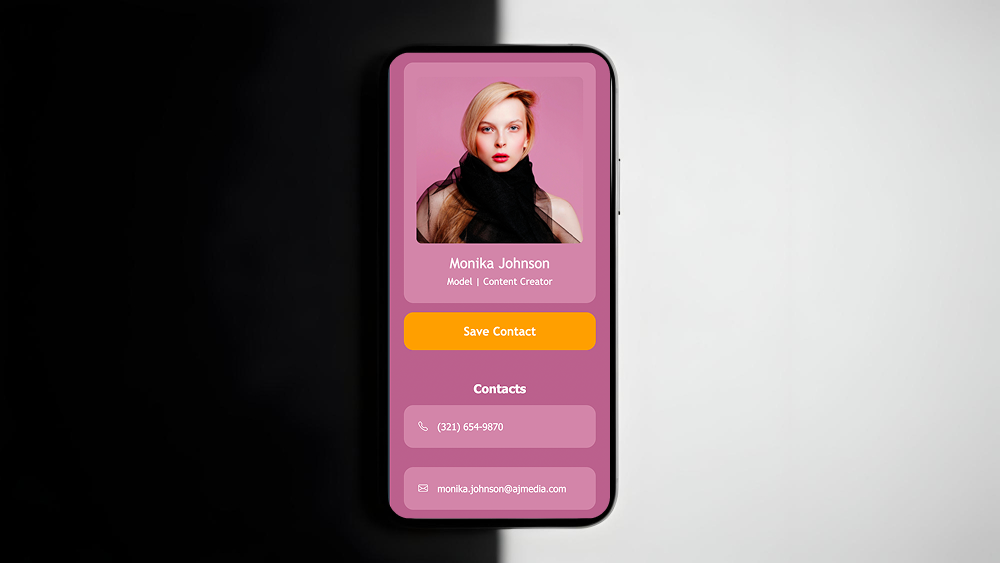
Easy Customization: Creators can design pages without coding knowledge. This allows faster setup and easier updates.
Flexible Layouts: You can structure pages around your goals—whether that’s content, sales, bookings, or community building.
Built for Creators: ME-Page supports modern creator needs with responsive design and conversion-focused layouts.
For example, a podcaster can create a page featuring episodes, sponsorship information, and newsletter signup forms all in one place.
Conclusion
A strong creator website is one of the most valuable tools for building long-term success online. It gives creators control, strengthens visibility, and supports more effective personal branding online.
Instead of depending entirely on social platforms, creators can build a professional online presence that grows with their audience. From showcasing work to attracting collaborations and generating income, a personal website creates opportunities that social media alone often can’t provide.
With platforms like ME-Page, creators can launch polished, mobile-friendly websites quickly and focus more on growing their brand instead of handling technical complexity.
Frequently Asked Questions about How Creators Can Build a Personal Brand Website
A creator website helps showcase your work, build credibility, and create a central hub for your audience and opportunities.
Yes. Platforms like ME-Page make it easy for beginners to build professional websites without coding experience.
Absolutely. Social media helps drive traffic, while your website acts as the central destination for your brand.
Most creators benefit from including an introduction, portfolio or content section, contact information, and clear calls-to-action.
Was This Article Helpful?
Click on a star to rate it!
Average Rating: 5/5
Voutes: 1
Share with Friends:


Previous
How ME-Page Hosting Works: Stability, Speed, and Security
Next
Building a Service Booking Website with ME-Page
Recent Articles
Everything You Need to Know About Using ME-Page Constructor for Your Website.

Build a Personal Website That Stands Out in 2026
Your social media profiles can show what you do, but they do not give you complete control over your online pr...
Managing Multiple Websites from One ME-Page Account
Running more than one website used to be complicated. Different logins, scattered tools, and endless switching...
How to Organize Content Across Multiple Website Pages
A multi-page website gives you room to explain your business, services, products, and ideas without putting ev...
Essential Pages Every Business Website Should Include
A business website doesn't need dozens of pages to look professional. What it does need is a clear structure t...
How to Write Website Headlines That Attract More Visitors
A headline is often the first piece of text people notice when they open a website. Before they read your para...
How Freelancers Can Organize Services, Portfolio, and Contacts on...
Freelancers often wear many hats. One day you're working on a client project, the next you're answering inquir...
Build a Personal Website That Stands Out in 2026
Your social media profiles can show what you do, but they do not give you complete control over your online pr...
Managing Multiple Websites from One ME-Page Account
Running more than one website used to be complicated. Different logins, scattered tools, and endless switching...
How to Organize Content Across Multiple Website Pages
A multi-page website gives you room to explain your business, services, products, and ideas without putting ev...
Essential Pages Every Business Website Should Include
A business website doesn't need dozens of pages to look professional. What it does need is a clear structure t...
How to Write Website Headlines That Attract More Visitors
A headline is often the first piece of text people notice when they open a website. Before they read your para...
How Freelancers Can Organize Services, Portfolio, and Contacts on...
Freelancers often wear many hats. One day you're working on a client project, the next you're answering inquir...