Me-Page Team
Last modified 12 Feb 2026
Article Plan
- SEO Is Now About Experience, Not Just Keywords
- Strong Website Structure Matters More Than Ever
- Content Quality Beats Quantity
- Speed and Mobile Optimization Are Non-Negotiable
- Search Intent Is the New Strategy
- Internal Linking Helps Search Engines Understand Your Site
- Local SEO Is Essential for Small Businesses
- Using the Right Website Builder Makes SEO Easier
- SEO Checklist for 2026
- Common Mistakes to Avoid
- Conclusion
- Frequently Asked Questions about SEO in 2026
Search engine optimization isn’t what it used to be. Gone are the days when adding a few keywords and backlinks could push your site to the top of Google. In 2026, SEO is smarter, faster, and much more focused on user experience.
Search engines now evaluate how helpful your content is, how quickly your site loads, how easy it is to navigate, and how well it answers real questions. That means website owners must think beyond tricks and start building high-quality, structured, and user-friendly websites.
If you want your website to rank, attract traffic, and convert visitors this year, you need to understand the latest SEO trends 2026 and strengthen your website SEO basics.
Let’s break it down.
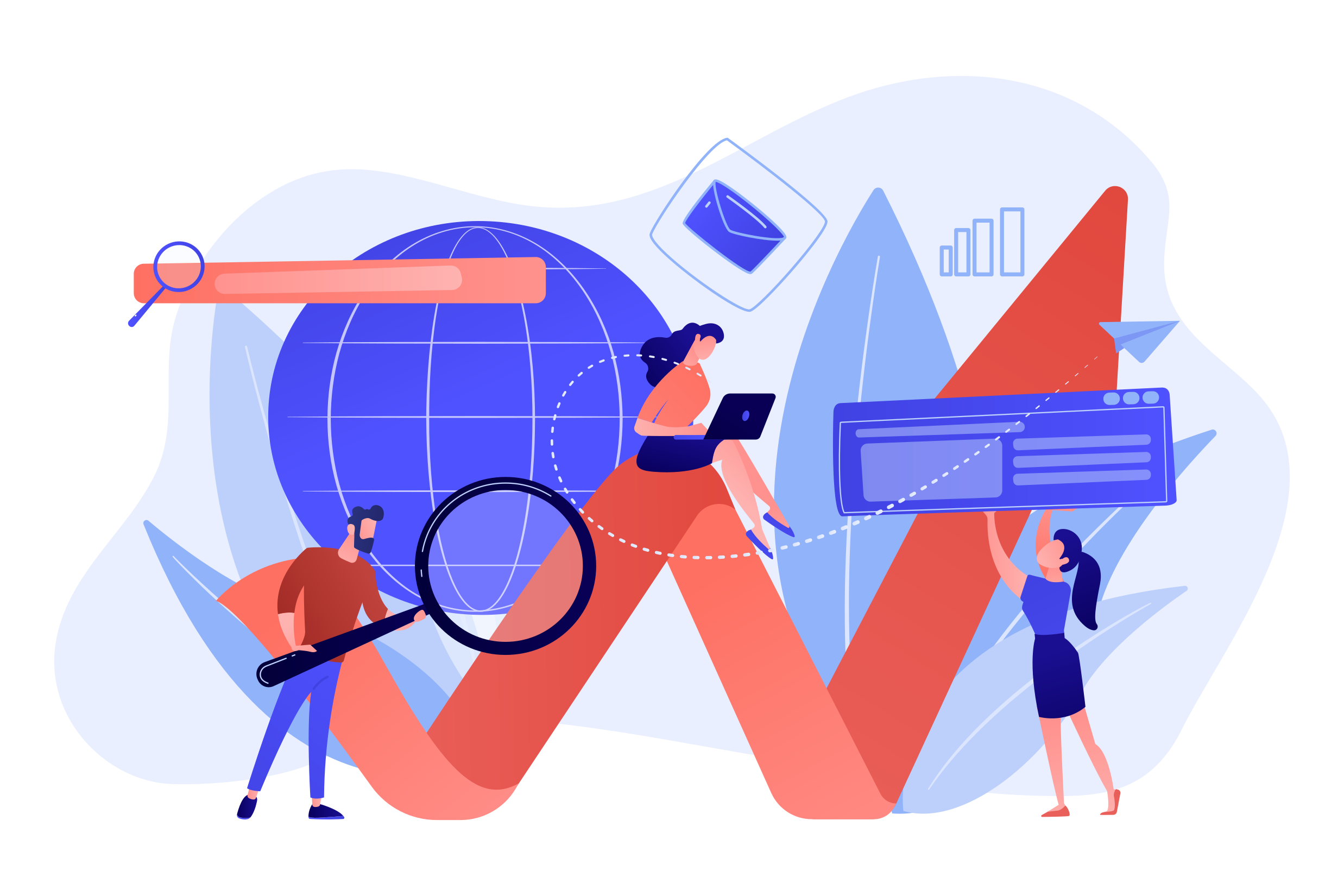
SEO Is Now About Experience, Not Just Keywords
Keywords still matter — but they’re no longer everything.
Modern search engines use AI to understand:
- Search intent
- Page quality
- Content clarity
- Engagement signals
- Website structure
If visitors leave your page quickly, rankings drop. If they stay, explore, and interact, rankings improve.
In other words, SEO now measures how humans feel about your website.
Strong Website Structure Matters More Than Ever
Search engines crawl websites like a map. If your site is messy or confusing, they struggle to understand it.
That’s why a clean structure is critical.
Best practices include:
- Clear navigation menus
- Logical categories
- Dedicated pages for each topic
- Internal linking between pages
- Proper headings (H1–H3)
Multi-page websites often perform better because each page can target specific keywords. Instead of one long page trying to rank for everything, you create focused content.
For example:
- Homepage → brand terms
- Services → service keywords
- Blog → informational searches
- Contact → local SEO
This approach gives search engines more entry points to your site.
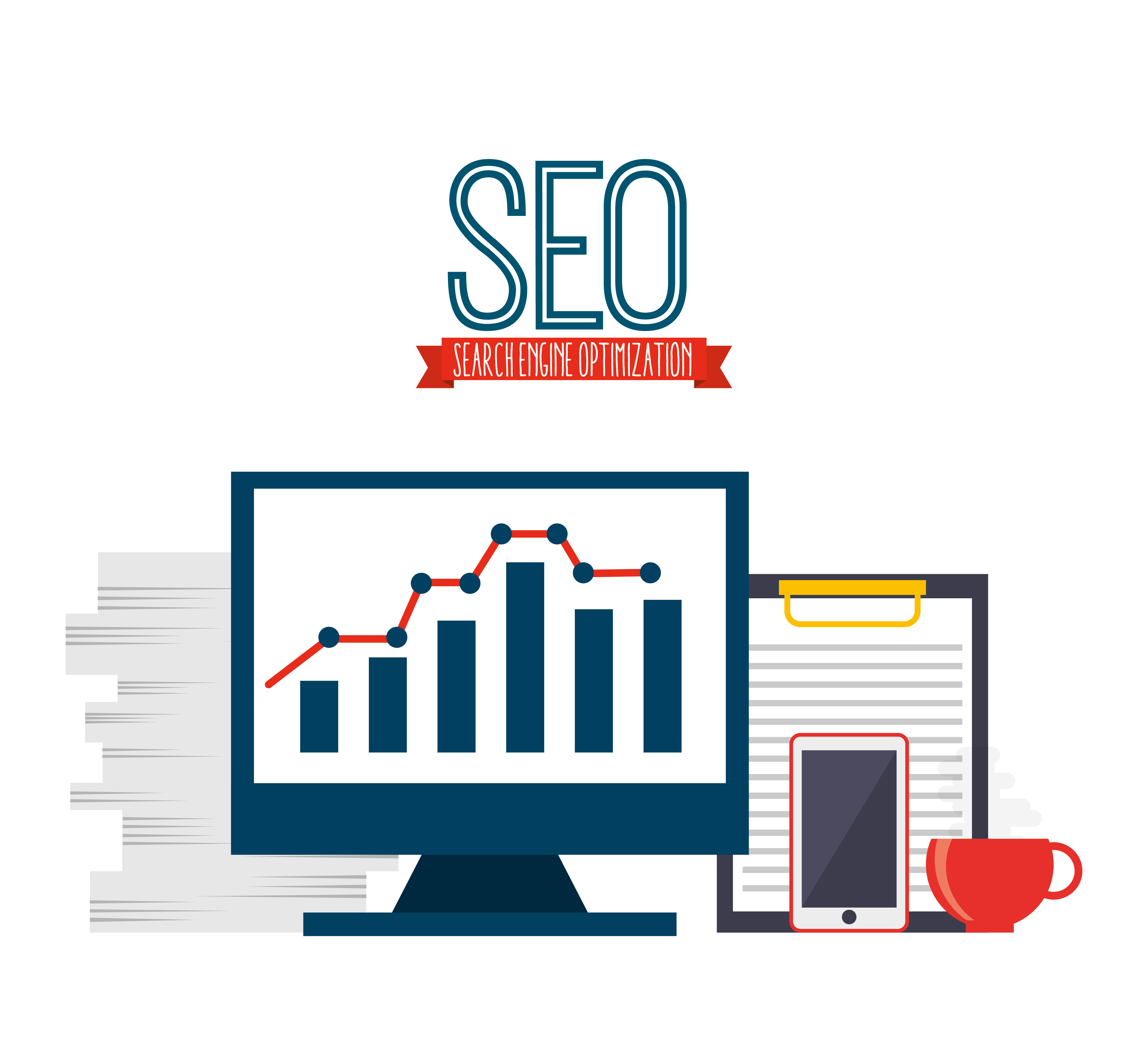

Content Quality Beats Quantity
Publishing dozens of weak articles no longer works.
In 2026, Google prioritizes:
- Original content
- Expert insights
- Clear answers
- Helpful formatting
- Up-to-date information
One strong article can outperform ten average ones.
When creating content, ask: “Does this genuinely solve a problem?”
If the answer is yes, you’re on the right track.
Speed and Mobile Optimization Are Non-Negotiable
Users expect pages to load instantly. Even a one-second delay can reduce conversions and rankings.
Important factors include:
- Fast hosting
- Compressed images
- Clean code
- Mobile responsiveness
Most traffic now comes from smartphones, so your website must look and work perfectly on smaller screens.
If visitors have to zoom or struggle to click buttons, search engines notice.
Search Intent Is the New Strategy
Instead of targeting broad keywords like “website design,” it’s better to match what people actually want.
There are four main types of intent:
- Informational (learn something)
- Navigational (find a brand)
- Commercial (compare options)
- Transactional (buy or sign up)
Your content should match each intent clearly.
For example:
- Blog posts → informational
- Case studies → commercial
- Product pages → transactional
When pages align with intent, rankings improve naturally.
Internal Linking Helps Search Engines Understand Your Site
Internal links are often overlooked but extremely powerful.
They:
- Guide visitors to related content
- Spread authority between pages
- Improve crawlability
- Increase time on site
Think of links as signposts. They help both users and search engines navigate easily.
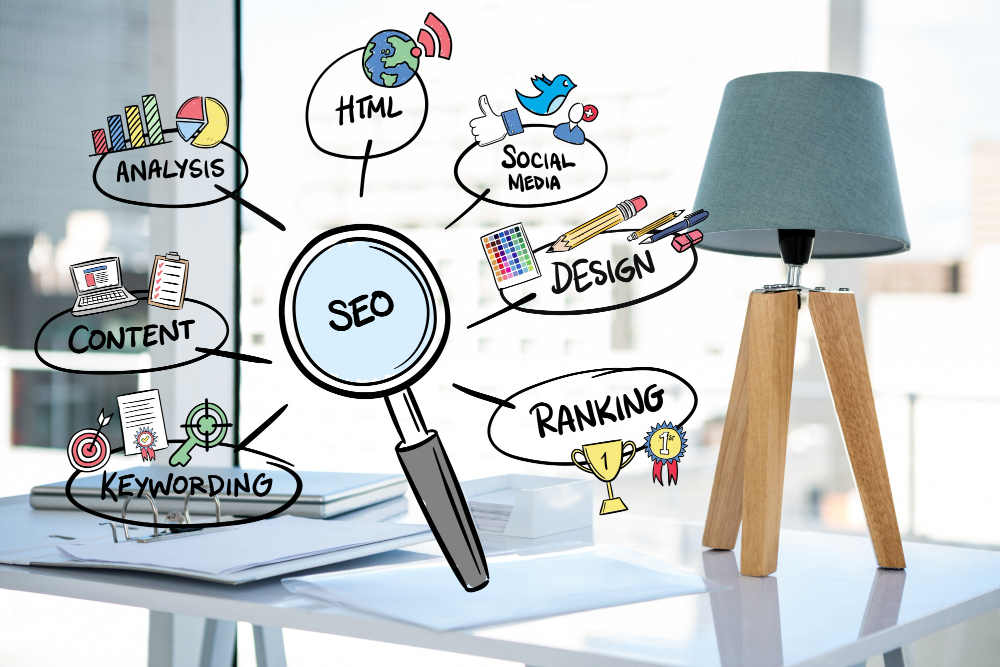

Local SEO Is Essential for Small Businesses
If you serve customers locally, local SEO can bring faster results than global rankings.
Make sure to:
- Add your business address
- Use location keywords
- Create a Google Business profile
- Collect reviews
- Include contact information clearly
Local searches often convert better because users are ready to act.
Using the Right Website Builder Makes SEO Easier
Your platform matters.
A good website builder should support:
- Clean code
- Fast loading
- Custom meta titles and descriptions
- Mobile design
- Multi-page structure
- Easy content updates
For example, ME-Page allows website owners to create structured pages, add subpages, organize content blocks, and optimize layouts without technical knowledge. That flexibility helps you follow modern website SEO basics while keeping setup simple.
SEO shouldn’t feel complicated — your tools should help, not limit you.
SEO Checklist for 2026

Common Mistakes to Avoid
Even small issues can hurt rankings.
Avoid:
- Keyword stuffing
- Duplicate content
- Slow pages
- Broken links
- Poor mobile design
- Thin or AI-only content
SEO rewards quality and penalizes shortcuts.
Conclusion
SEO in 2026 is no longer about gaming algorithms — it’s about building websites people genuinely enjoy using. Strong website SEO basics, clean structure, fast performance, helpful content, and clear navigation now matter more than technical tricks or keyword density. Search engines reward websites that provide real value, answer questions quickly, and guide visitors smoothly from page to page.
By following the latest SEO trends 2026, focusing on search intent, and organizing your content into logical pages, you create a site that both users and search engines trust. Whether you run a small business, personal brand, or growing company, investing in smart SEO today means steady traffic and better results tomorrow. And with flexible platforms like ME-Page, optimizing your site becomes simple, scalable, and accessible — even without technical expertise.
Frequently Asked Questions about SEO in 2026
Yes. Modern builders like ME-Page provide built-in tools that make optimization easy without coding knowledge.
Was This Article Helpful?
Click on a star to rate it!
Average Rating: 5/5
Voutes: 1
Share with Friends:


Previous
One-Page vs Multi-Page Websites: When to Use Subpages

Next
New Navigation Feature in ME-Page: Build Multi-Page Websites with Custom Headers & Mobile Burger Menu
Recent Articles
Everything You Need to Know About Using ME-Page Constructor for Your Website.

How to Link Pages Together for Better Website Navigation
A multi-page website gives you more room to organize information, but adding pages is only half the job. Visit...

Build a Personal Website That Stands Out in 2026
Your social media profiles can show what you do, but they do not give you complete control over your online pr...

Managing Multiple Websites from One ME-Page Account
Running more than one website used to be complicated. Different logins, scattered tools, and endless switching...

How to Organize Content Across Multiple Website Pages
A multi-page website gives you room to explain your business, services, products, and ideas without putting ev...

Essential Pages Every Business Website Should Include
A business website doesn't need dozens of pages to look professional. What it does need is a clear structure t...

How to Write Website Headlines That Attract More Visitors
A headline is often the first piece of text people notice when they open a website. Before they read your para...
How to Link Pages Together for Better Website Navigation
A multi-page website gives you more room to organize information, but adding pages is only half the job. Visit...
Build a Personal Website That Stands Out in 2026
Your social media profiles can show what you do, but they do not give you complete control over your online pr...
Managing Multiple Websites from One ME-Page Account
Running more than one website used to be complicated. Different logins, scattered tools, and endless switching...
How to Organize Content Across Multiple Website Pages
A multi-page website gives you room to explain your business, services, products, and ideas without putting ev...
Essential Pages Every Business Website Should Include
A business website doesn't need dozens of pages to look professional. What it does need is a clear structure t...
How to Write Website Headlines That Attract More Visitors
A headline is often the first piece of text people notice when they open a website. Before they read your para...