Me-Page Team
Last modified 3 Feb 2026
Article Plan
- First Impressions Happen in Seconds
- Fast and Simple Property Search
- Mobile-First Experience
- High-Quality Visual Content
- Clear Contact and Lead Capture
- Trust and Transparency
- Key Website Features Buyers Expect in 2026
- Speed and Performance Matter More Than Ever
- Customization Without Complexity
- Conclusion
-
Frequently Asked Questions about Real Estate Websites in 2026
- Do small real estate agencies really need a website if they use listing platforms?
- How often should property listings be updated online?
- Can I showcase both residential and commercial properties on one site?
- Is it difficult to maintain a real estate website without technical skills?
- What content besides listings should a real estate website include?
In 2026, the real estate market is more digital than ever. Buyers no longer start their search by driving through neighborhoods or calling agents — they begin online. Your website is now the first showing, the first impression, and often the deciding factor in whether a buyer contacts you or moves on.
Modern customers expect speed, clarity, and a seamless browsing experience. If a real estate website feels outdated or confusing, trust drops instantly. That’s why understanding current real estate website trends and building a platform that supports smooth property listings is critical for agents, brokers, and property managers.
With tools like ME-Page, creating a professional real estate website is faster and easier than ever. Instead of hiring developers or starting from scratch, businesses can launch using ready-made Real Estate templates designed specifically for showcasing properties and generating leads.
Let’s explore what buyers truly expect from real estate websites in 2026 — and how you can deliver it.
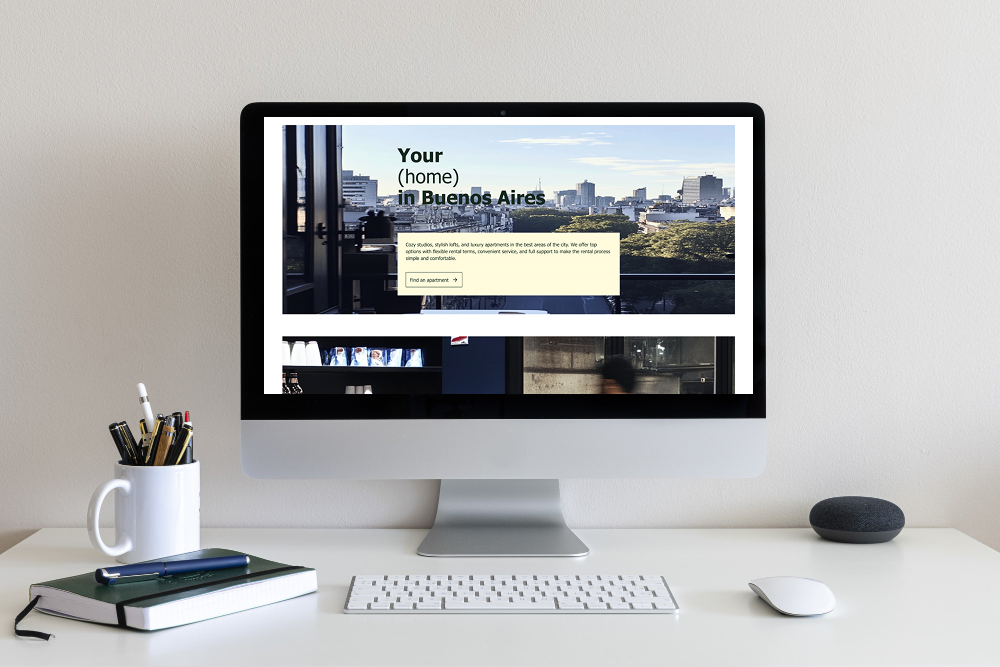
First Impressions Happen in Seconds
Online visitors make decisions quickly. Within a few seconds, they judge whether a website looks professional and trustworthy.
Buyers expect:
- Clean layouts
- High-quality images
- Modern typography
- Easy navigation
- Mobile-friendly design
Cluttered pages or slow-loading content create friction and push visitors away. A structured layout with clear calls-to-action helps users instantly understand where to browse listings or contact an agent.
ME-Page’s Real Estate templates are built with these principles in mind, offering organized sections and visual hierarchy that guide users naturally.
Fast and Simple Property Search
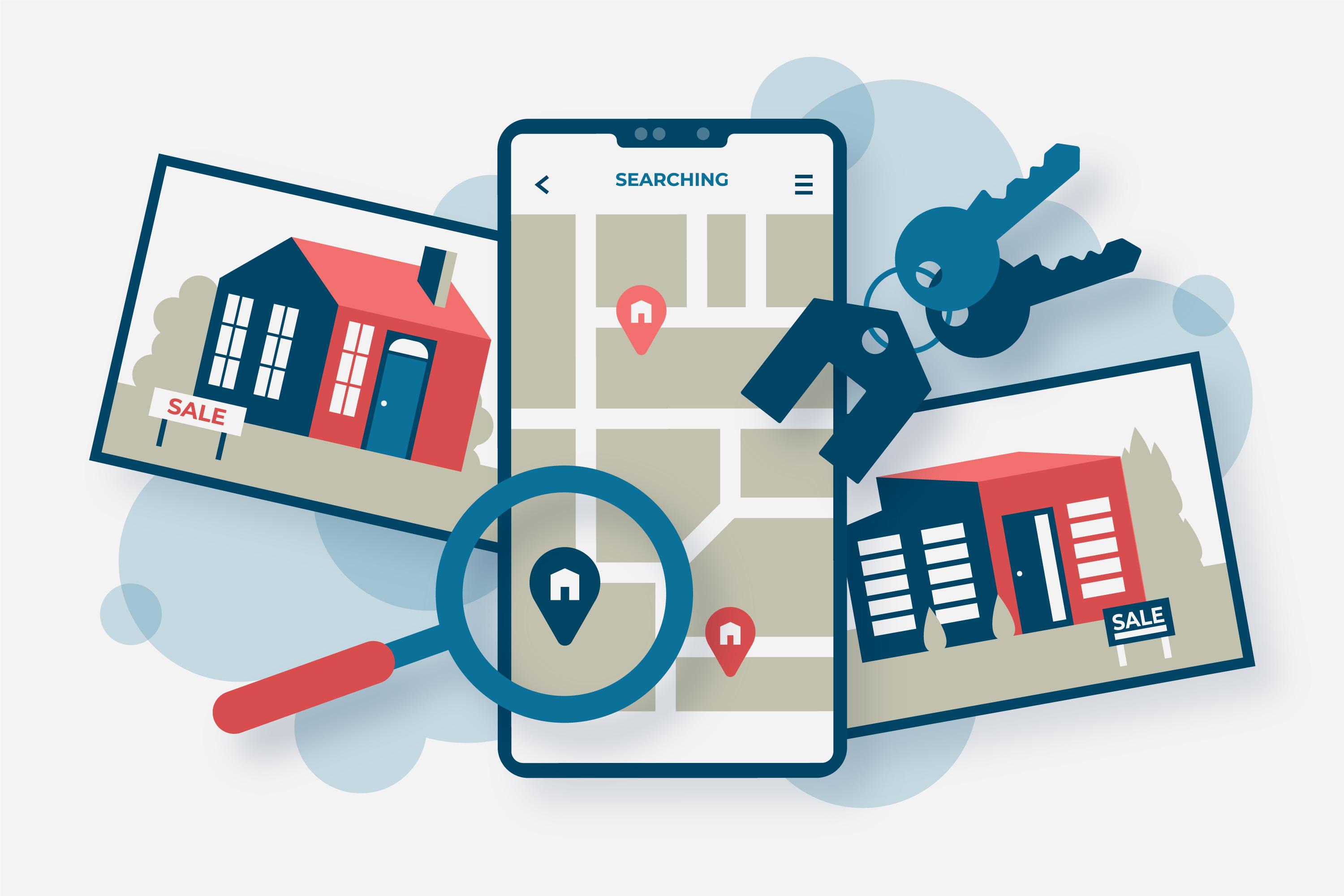
In 2026, nobody wants to scroll endlessly. Buyers expect powerful filtering tools that help them find exactly what they want.
Essential features include:
- Price range filters
- Location selection
- Property type categories
- Photos and quick previews
- Clear details per listing
Mobile-First Experience
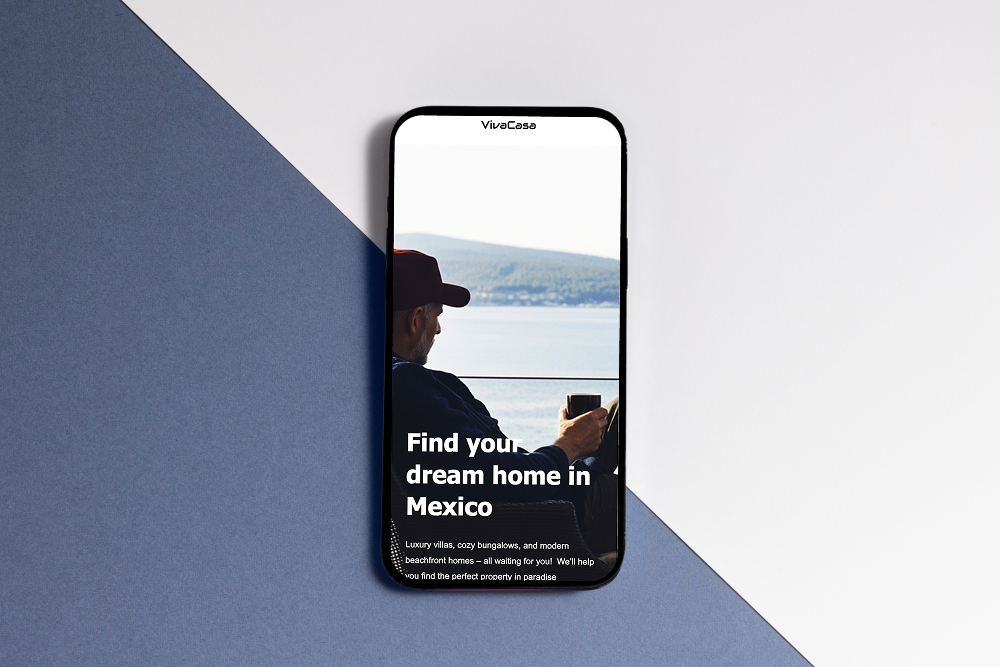
Most home searches now happen on phones. Buyers browse listings during commutes, breaks, or while visiting neighborhoods.
A real estate website must:
- Load quickly on mobile
- Display images clearly
- Keep buttons easy to tap
- Avoid complicated menus
Responsive design ensures that every section looks great on any screen. ME-Page templates automatically adapt to different devices, eliminating technical headaches.
High-Quality Visual Content
Real estate is visual. Buyers want to see spaces, not just read descriptions.
In 2026, they expect:
- Large image galleries
- Clear, bright photos
- Virtual tours or videos
- Floor plans
- Featured properties
Good visuals help buyers imagine themselves in the space and build emotional connection — a key factor in decision-making.


Clear Contact and Lead Capture
When someone is ready to inquire, contacting you should be effortless.
Buyers expect:
- Visible contact buttons
- Quick forms
- Call or message options
- Fast responses
Hidden contact information or complicated forms reduce conversions. Every property page should make the next step obvious.
Trust and Transparency
Trust is essential in real estate transactions. Visitors want reassurance that they’re dealing with professionals.
Helpful trust elements include:
- Agent profiles
- Testimonials
- Certifications
- Company information
- FAQs
These signals make your business feel reliable and approachable.

Key Website Features Buyers Expect in 2026
Speed and Performance Matter More Than Ever
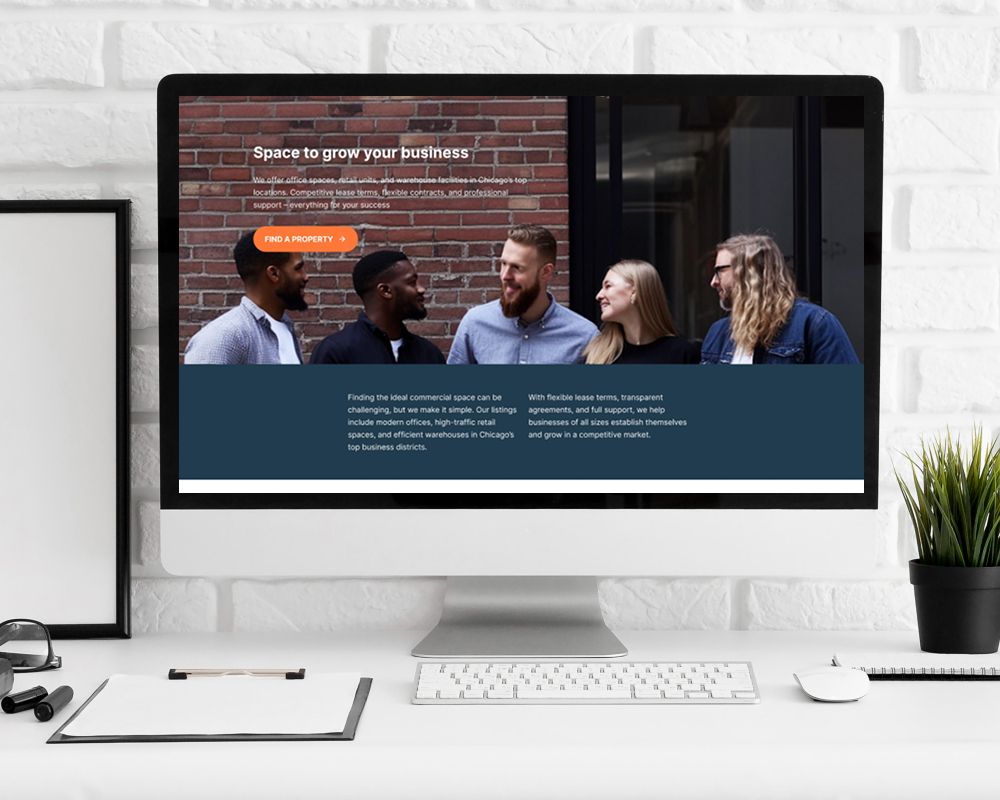
Even beautiful websites fail if they load slowly. Buyers expect instant results. A delay of just a few seconds can increase bounce rates dramatically.
Optimized platforms like ME-Page help maintain fast performance by using lightweight layouts and pre-built blocks that keep pages efficient and smooth.
Customization Without Complexity
Real estate businesses often want unique branding — custom colors, logos, and layouts. However, complicated development slows everything down.
With ME-Page, users can easily customize templates while keeping professional structure intact. This balance allows agents and agencies to stand out without technical stress.
Conclusion
In 2026, a real estate website is no longer just a digital brochure — it’s a full-service sales tool. Buyers expect fast navigation, mobile-friendly design, organized property listings, strong visuals, and instant ways to connect. These modern real estate website trends are shaping how people search, compare, and choose properties online.
Without a professional website, real estate businesses risk losing attention before the conversation even begins. Fortunately, platforms like ME-Page make it simple to launch polished, high-performing Real Estate websites using ready-made templates designed specifically for showcasing properties and generating leads.
If you want to attract serious buyers, build trust, and convert more visitors into inquiries, investing in a modern real estate website isn’t optional anymore — it’s essential for success in today’s digital property market.
Frequently Asked Questions about Real Estate Websites in 2026
Yes. A personal website builds brand recognition and allows you to control your messaging rather than relying only on third-party platforms.
Ideally in real time. Outdated listings frustrate buyers and reduce credibility.
Not with modern builders like ME-Page, which allow easy updates through simple editing tools.
Market insights, neighborhood guides, and helpful resources can add value and keep visitors engaged longer.
Powered by

Was This Article Helpful?
Click on a star to rate it!
Average Rating: 5/5
Voutes: 1
Share with Friends:



Previous
Why Every Small Business Needs a Website in 2026
Next
Homepage Best Practices: What Every Website Needs in 2026
Recent Articles
Everything You Need to Know About Using ME-Page Constructor for Your Website.

How to Link Pages Together for Better Website Navigation
A multi-page website gives you more room to organize information, but adding pages is only half the job. Visit...

Build a Personal Website That Stands Out in 2026
Your social media profiles can show what you do, but they do not give you complete control over your online pr...

Managing Multiple Websites from One ME-Page Account
Running more than one website used to be complicated. Different logins, scattered tools, and endless switching...
How to Organize Content Across Multiple Website Pages
A multi-page website gives you room to explain your business, services, products, and ideas without putting ev...

Essential Pages Every Business Website Should Include
A business website doesn't need dozens of pages to look professional. What it does need is a clear structure t...

How to Write Website Headlines That Attract More Visitors
A headline is often the first piece of text people notice when they open a website. Before they read your para...
How to Link Pages Together for Better Website Navigation
A multi-page website gives you more room to organize information, but adding pages is only half the job. Visit...
Build a Personal Website That Stands Out in 2026
Your social media profiles can show what you do, but they do not give you complete control over your online pr...
Managing Multiple Websites from One ME-Page Account
Running more than one website used to be complicated. Different logins, scattered tools, and endless switching...
How to Organize Content Across Multiple Website Pages
A multi-page website gives you room to explain your business, services, products, and ideas without putting ev...
Essential Pages Every Business Website Should Include
A business website doesn't need dozens of pages to look professional. What it does need is a clear structure t...
How to Write Website Headlines That Attract More Visitors
A headline is often the first piece of text people notice when they open a website. Before they read your para...