Me-Page Team
Last modified 10 Mar 2026
Article Plan
- Why Content Structure Matters for SEO
- Start With a Strong Page Title
- Use H2 and H3 Headings to Organize Sections
- Write Short, Clear Paragraphs
- Use Lists and Visual Breaks
- Add Internal Links Between Pages
- Optimize Images and Media
- Example of a Well-Structured SEO Page
- Avoid These Common SEO Structure Mistakes
- How ME-Page Helps You Build SEO-Friendly Pages
- Conclusion
- Frequently Asked Questions about Content That Ranks
Creating content for your website isn’t just about writing a lot of text. It’s about writing smart. If your pages are poorly organized, even great information can get lost — both for visitors and for search engines.
That’s why understanding SEO content structure and applying the right on-page SEO tips can make a huge difference. A well-structured page helps search engines understand your content, improves readability for users, and increases your chances of ranking higher in search results.
Whether you run a blog, business website, or portfolio, structuring your pages properly is one of the easiest ways to boost visibility. Platforms like ME-Page make this process simple by allowing you to organize sections, headings, and content blocks without any coding.
Let’s explore how to build SEO-friendly pages that actually rank.

Why Content Structure Matters for SEO
Search engines don’t just scan your text — they analyze how it’s organized. Clear structure tells search engines what your page is about and which sections are most important.
When your page is structured properly, it becomes easier for search engines to:
- Understand the main topic of the page
- Identify important keywords
- Index sections correctly
- Display featured snippets or rich results
For readers, a structured page is easier to scan. People rarely read websites word-for-word; they skim headings, bullet points, and highlighted information.
So good structure benefits both algorithms and humans.
Start With a Strong Page Title
The first rule of SEO content structure is simple: every page should have one clear H1 heading.
Your H1 is the main title of the page. It tells both readers and search engines what the content is about.
For example:
Instead of writing a vague title like: “Marketing Ideas”
Use something specific like: “10 Marketing Ideas for Small Businesses”
A strong H1 should:
- Include your primary keyword
- Clearly describe the page topic
- Be concise and readable
Avoid using multiple H1 tags on the same page, as this can confuse search engines.

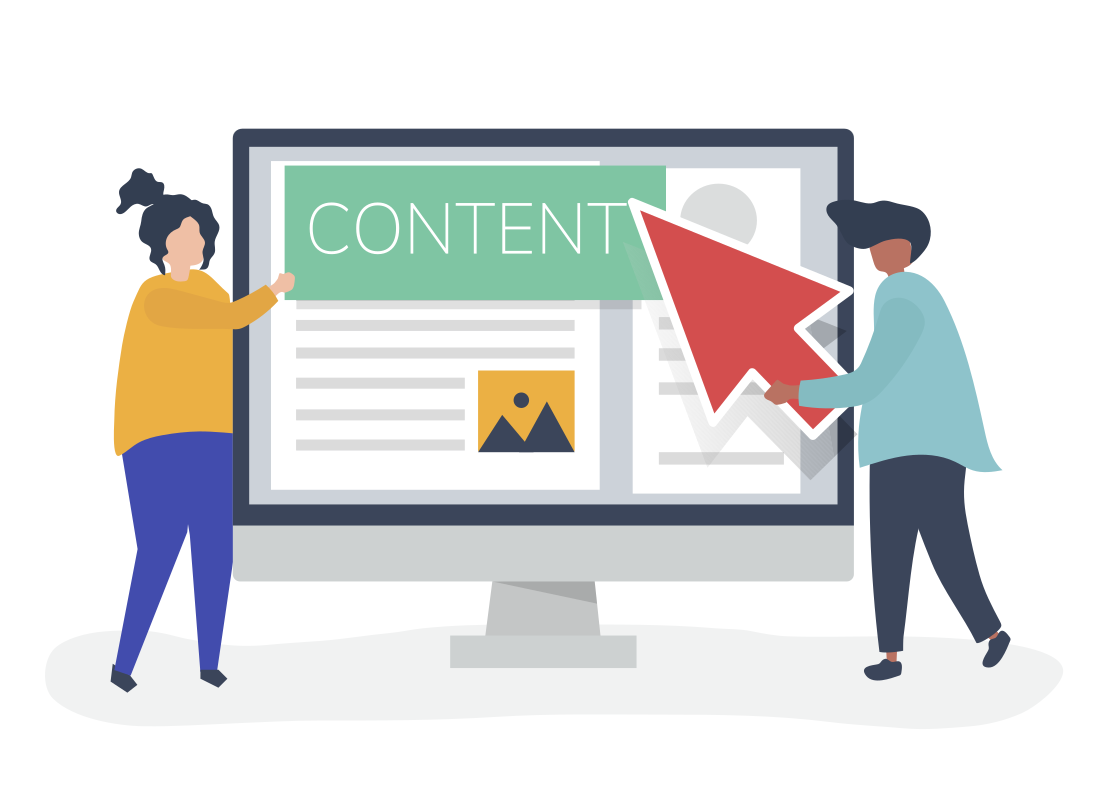
Use H2 and H3 Headings to Organize Sections
Think of headings as the skeleton of your page.
Your H2 headings divide the article into major sections, while H3 headings provide more detailed subtopics.
For example:
- H1: Content That Ranks
- H2: Why Structure Matters
- H2: How to Use Headings
- H3: Writing Clear Subtopics
- H3: Adding Supporting Content
This structure creates logical flow and makes your content easier to navigate.
It also helps search engines understand the hierarchy of information.
Write Short, Clear Paragraphs
Large blocks of text scare readers away.
One of the best on-page SEO tips is to keep paragraphs short and readable. Aim for 2–4 sentences per paragraph whenever possible.
This improves:
- Readability
- User engagement
- Mobile experience
Short paragraphs also make it easier for readers to scan the page quickly.
Remember: online readers are impatient.
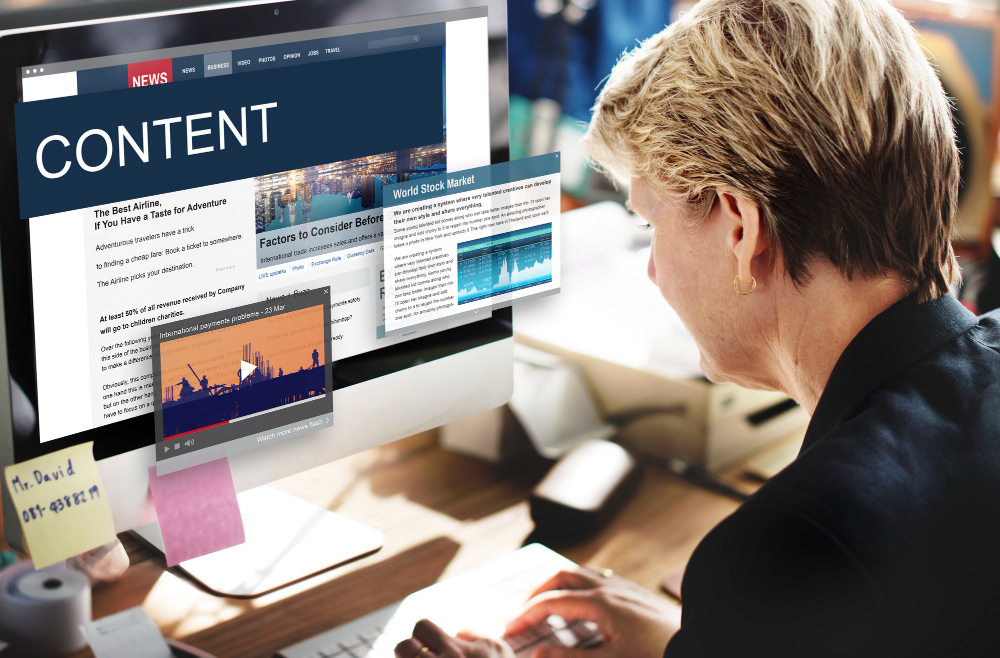
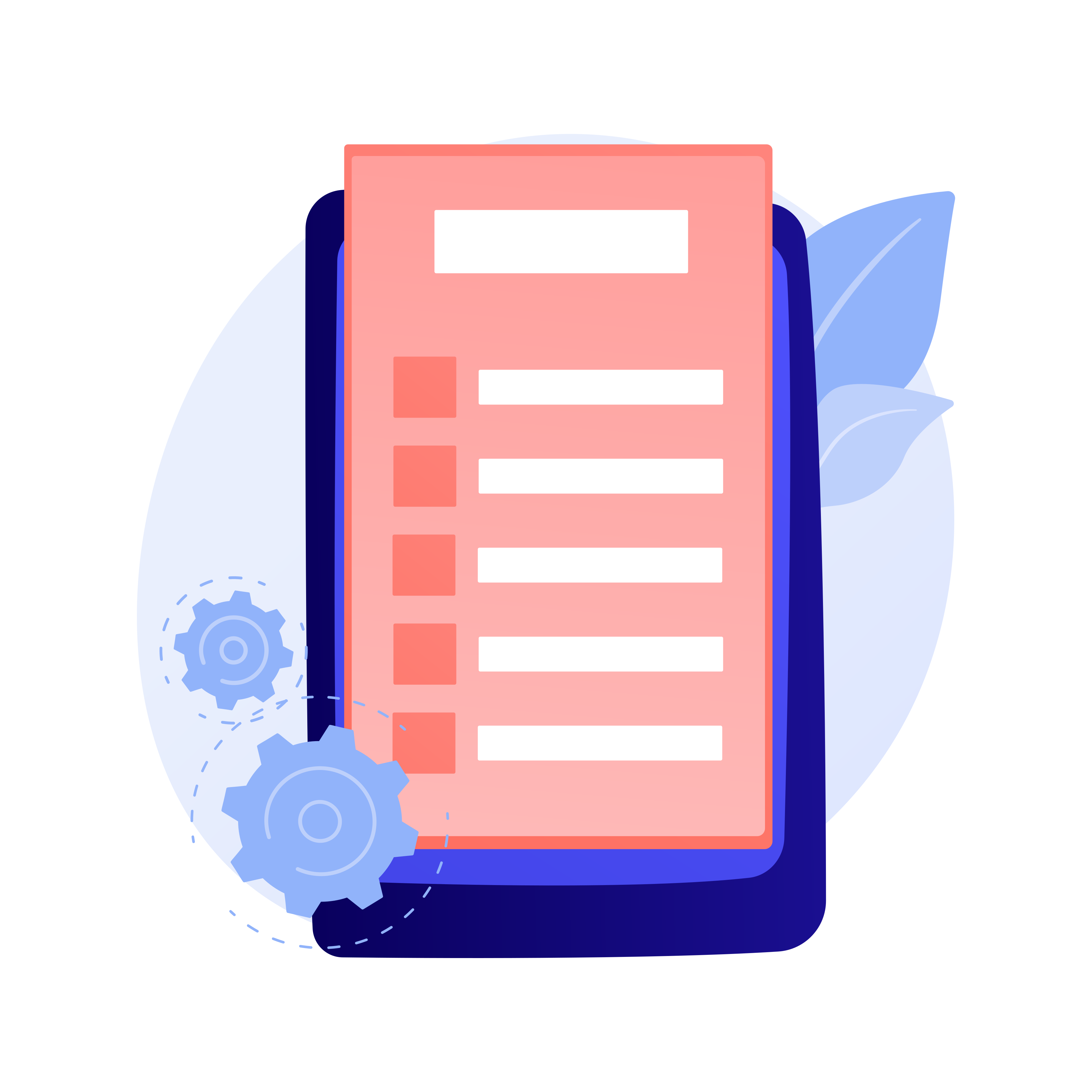
Use Lists and Visual Breaks
Lists help highlight important information and make content easier to understand.
Examples include:
- Bullet points
- Numbered steps
- Feature lists
- Benefits or tips
They break up text and guide readers through your content.
Benefits of structured content:
- Faster page scanning
- Better user engagement
- Improved SEO performance
- Higher chances of ranking
Search engines also often pull list items into featured snippets.
Add Internal Links Between Pages
Internal links are an essential part of SEO content structure.
They help search engines discover other pages on your website and understand how topics relate to each other.
For example, if you write about website design, you might link to pages about:
- SEO basics
- Landing page optimization
- Website structure
Internal linking improves navigation and encourages visitors to explore more of your site.
Platforms like ME-Page make it easy to link sections, pages, and subpages within your website.


Optimize Images and Media
Images are important for user experience, but they should also support your SEO.
Follow these simple tips:
- Use descriptive file names
- Add alt text describing the image
- Compress images for faster loading
Images that support your content can increase engagement and time on page.
They also give search engines additional context.
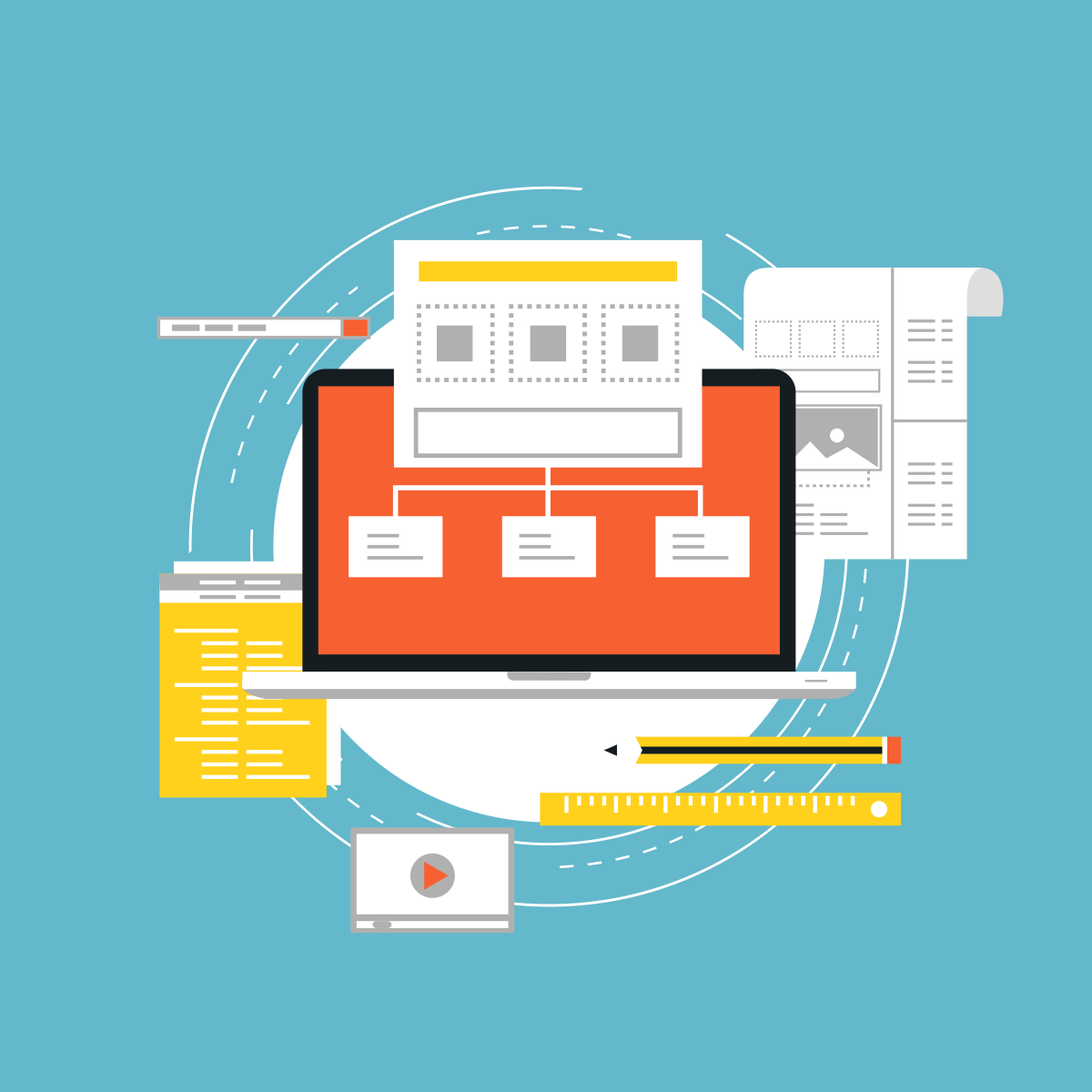
Example of a Well-Structured SEO Page
Avoid These Common SEO Structure Mistakes
Even good content can struggle if structure is wrong.
Avoid these mistakes:
- Using multiple H1 headings
- Writing extremely long paragraphs
- Ignoring headings entirely
- Stuffing keywords unnaturally
- Publishing pages with no clear hierarchy
A page should feel logical and easy to follow from start to finish.
If a reader can quickly scan your page and understand it, search engines probably can too.
How ME-Page Helps You Build SEO-Friendly Pages
For many website owners, implementing SEO structure sounds technical. But modern website builders simplify the process.
ME-Page allows users to:
- Organize sections visually
- Add headings easily
- Create multiple pages or subpages
- Structure content blocks clearly
- Publish SEO-friendly layouts quickly
This makes it easier to apply SEO content structure principles without needing coding knowledge.
A clean layout, clear headings, and logical navigation all contribute to stronger search engine performance.
Conclusion
Creating content that ranks isn’t just about choosing the right keywords — it’s about presenting information in a clear and organized way. A strong SEO content structure helps search engines understand your page while also making it easier for readers to navigate and enjoy your content. Using proper headings, short paragraphs, lists, and internal links are simple but powerful on-page SEO tips that can significantly improve your rankings.
When your pages are structured well, they become more readable, more trustworthy, and more discoverable online. Tools like ME-Page make it easy to organize sections, manage headings, and build well-structured pages without technical skills. By focusing on clarity and logical flow, you can create content that not only informs your audience but also performs better in search results.
Frequently Asked Questions about Content That Ranks
There is no fixed length, but pages that fully cover a topic (often 800–1500 words) tend to perform better in search results.
Headings help search engines understand content structure, which indirectly improves rankings and indexing.
Refreshing content every few months with updated information, new sections, or improved structure can help maintain rankings.
Yes. When content is easy to read and navigate, visitors stay longer and interact more with the page.
Was This Article Helpful?
Click on a star to rate it!
Average Rating: 4.5/5
Voutes: 2
Share with Friends:


Previous
Creating a Clear Website Structure with Pages and Subpages

Next
One-Page vs Multi-Page Websites: What’s Better for Business?
Recent Articles
Everything You Need to Know About Using ME-Page Constructor for Your Website.
Using Multi-Page Navigation to Improve User Experience
As your website grows, visitors need an easy way to move between pages without getting lost. Whether you're bu...
How Internal Links Improve SEO on Multi-Page Websites
When people think about SEO, they often focus on keywords, backlinks, or content creation. While those factors...
How to Choose the Best Homepage Layout for Your Goals
Your homepage is often the first impression visitors have of your brand. Within just a few seconds, people dec...

How to Plan Your Website Before You Start Building
Building a website can feel exciting. You may already be thinking about colors, images, fonts, and clever head...
Using Subpages to Build Service, Pricing, and About Pages
As your website grows, placing all your information on a single page becomes less effective. Visitors want to ...

Why Every Artist Needs a Website Beyond Social Media
For artists, musicians, photographers, illustrators, and other creatives, social media has become an important...
Using Multi-Page Navigation to Improve User Experience
As your website grows, visitors need an easy way to move between pages without getting lost. Whether you're bu...
How Internal Links Improve SEO on Multi-Page Websites
When people think about SEO, they often focus on keywords, backlinks, or content creation. While those factors...
How to Choose the Best Homepage Layout for Your Goals
Your homepage is often the first impression visitors have of your brand. Within just a few seconds, people dec...
How to Plan Your Website Before You Start Building
Building a website can feel exciting. You may already be thinking about colors, images, fonts, and clever head...
Using Subpages to Build Service, Pricing, and About Pages
As your website grows, placing all your information on a single page becomes less effective. Visitors want to ...
Why Every Artist Needs a Website Beyond Social Media
For artists, musicians, photographers, illustrators, and other creatives, social media has become an important...