Retail Website Templates
Retail customers don't browse the way conference attendees or clinic patients do — they compare, they scroll fast, and they leave the moment a page feels slow or confusing. Me-page exists to help you build retail website pages around that behavior: product-first, promotion-ready, and built to convert a quick glance into a sale. Whether you're running a single boutique, a neighborhood grocery shop, an electronics store, or a growing multi-location brand, you get one branded page that does the selling for you.
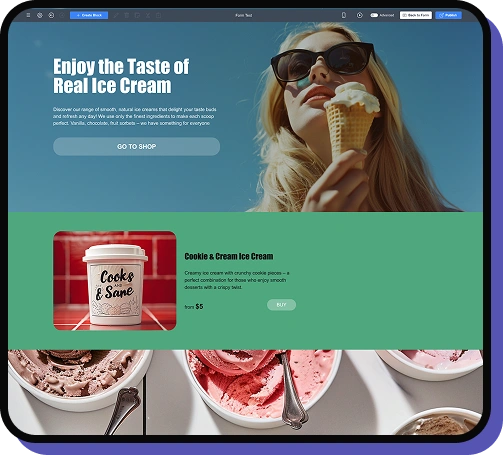


Choose Your Retail Template
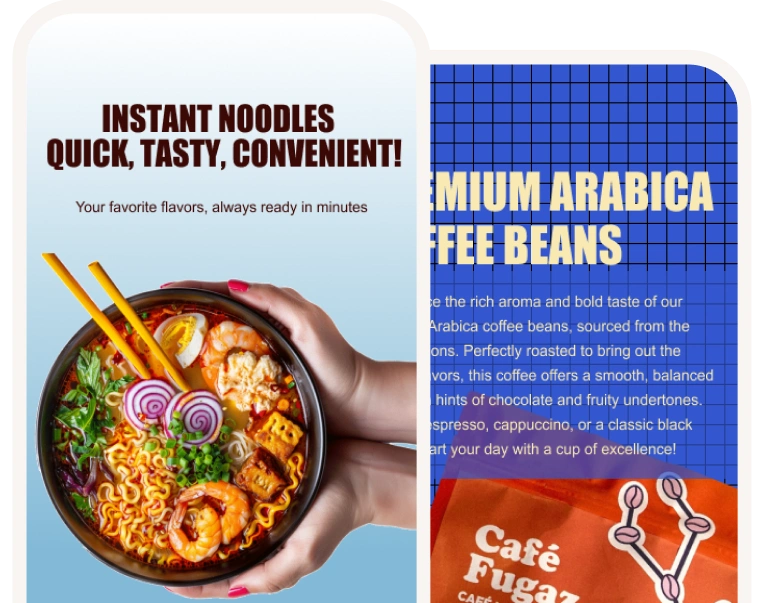
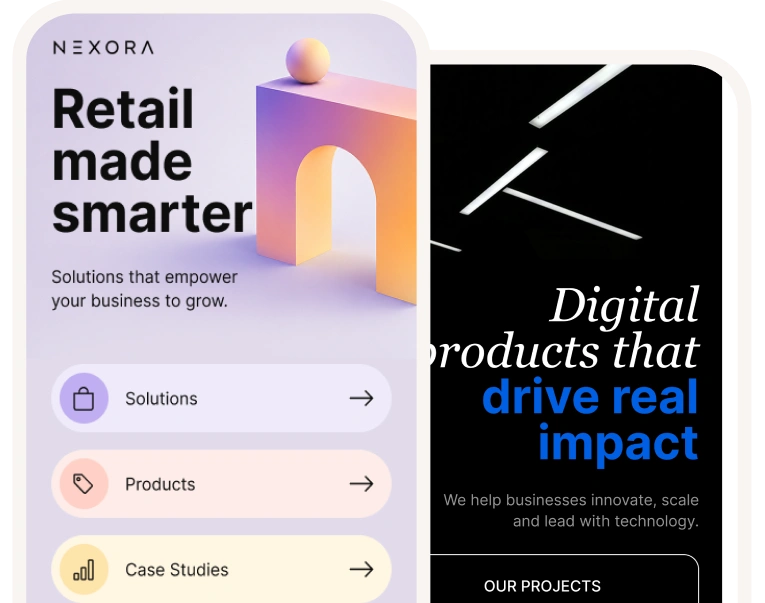
Show your products, collections, and store information in a clean and easy-to-shop format.
Most independent retailers end up split across three or four places at once: an Instagram grid for new arrivals, a marketplace listing for sales, a Google Business profile for hours, and maybe an old website nobody updates. Customers end up piecing together information that should live in one spot. A dedicated retail page fixes that by putting your catalog, pricing, promotions, and store details behind a single link — one you own and control, not one buried in someone else's algorithm. It's the kind of website builder retail store owners can hand off to a part-time employee on day one, without a training manual — a straightforward online retail website builder, not a project.
What Is a Retail Website Page?
A retail website page is a focused, single-page storefront that puts your products, collections, pricing, and promotions in one branded place — instead of scattering them across Instagram posts, marketplace listings, and a Google Business profile that's rarely up to date. It's the layer between 'customers know you exist' and 'customers know exactly what you're selling and how to buy it.'
This is where a purpose-built retail website builder earns its keep. A generic, do-anything site builder makes you construct that structure yourself — product grid, pricing, promo banner, contact block — from a blank canvas. A builder made specifically for retail web design gives you that structure already in place, so you're filling in your catalog rather than designing a layout from scratch.
Among the retail website builders available today, what separates the best website for retail store owners from a generic landing page is specificity — product-first layouts, built-in promotion blocks, and pricing tables designed for how retail customers actually decide to buy.
Templates for Every Retail Business
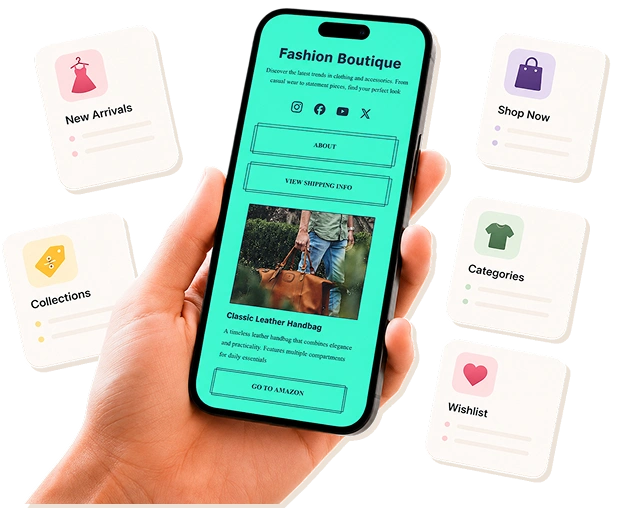
A fashion boutique and an electronics shop sell in completely different ways, so a single generic layout rarely works for both. Good website design for retail store pages starts with that distinction — a lookbook-led layout works for apparel, but it's the wrong choice for a shop selling warranty-backed electronics. Me-page's retail templates are built around how each type of store actually presents its products and closes a sale.
| Template Type | Who It's Designed For | What You Can Include |
|---|---|---|
| Fashion & Apparel Template | Clothing boutiques, footwear, and accessories brands | Seasonal collections, sizing charts, lookbooks, promotions, contact details |
| Grocery & Food Template | Grocery stores, specialty food shops, local markets | Product categories, pricing, store hours, delivery or pickup options |
| Electronics Template | Electronics retailers, gadget and tech shops | Specs, comparison pricing, warranty terms, support contact links |
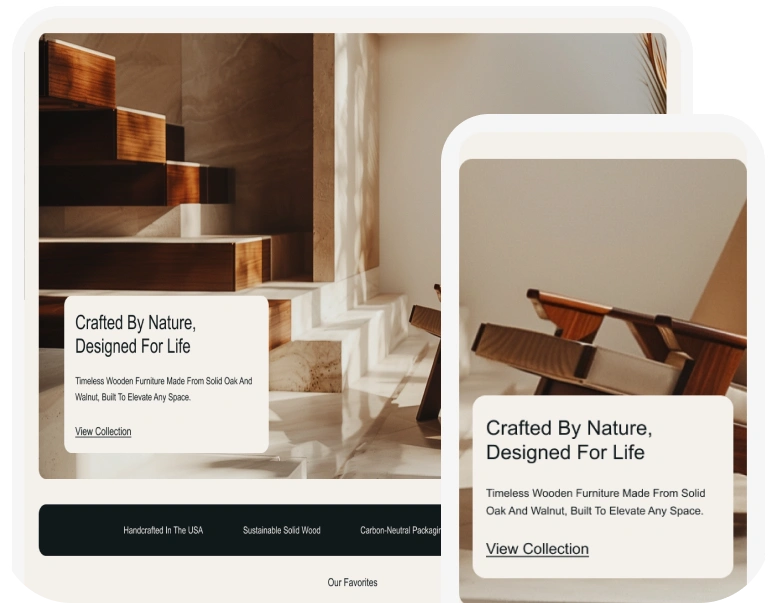
| Home & Furniture Template | Furniture stores, home decor brands | Room-by-room collections, pricing, showroom visits, consultation booking |
Multi-location retailers get an added benefit here. A regional boutique chain, for instance, can list every store location, current promotions, and this season's collection on one page — so a customer checking from their phone outside a mall doesn't need to guess which location has what they want.
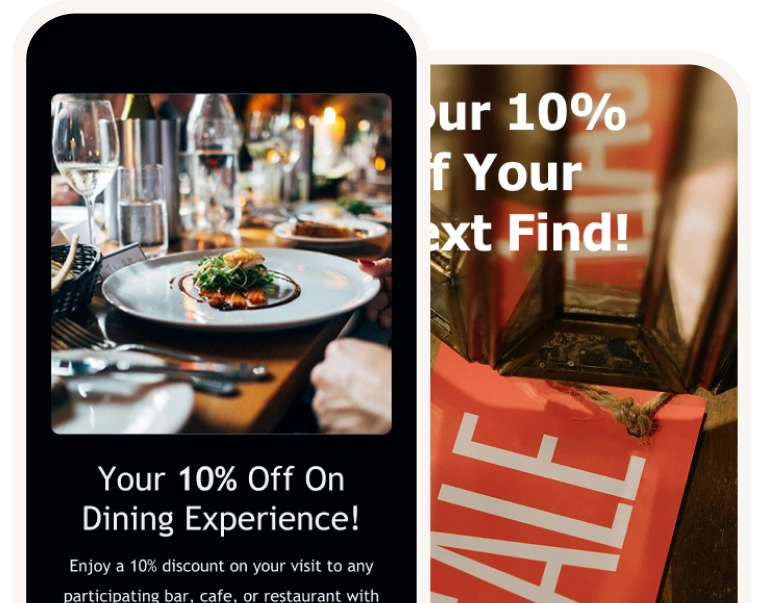
Prices change. Stock rotates. A holiday sale needs to go live at midnight and disappear the next morning. Because your page publishes instantly, you can push a new markdown, swap out a sold-through collection, or add a flash-sale banner without touching code or waiting on a developer — and the link customers already have keeps working.
Running more than one storefront, or planning to add a second product line down the road? It's worth comparing our pricing plans before you commit, so you're not stuck upgrading mid-launch.
Retail discovery increasingly starts on Instagram and TikTok rather than Google. If that's where your customers find you first, connect your retail page to a Link In Bio page so a single tap from your profile takes shoppers straight to your latest drop, sale, or store info.
How You Can Use Retail
Templates
Create Your Page in 3 Simple Steps
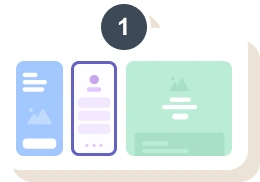
Choose a Template
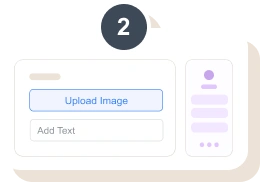
Add your content
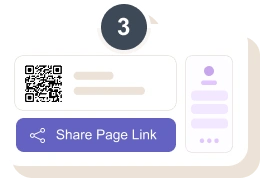
Publish and Share
Pick the Best Plan for You
You have free unlimited updates and premium support on each package.
Save up to 40%

$0 / month
$5 / month
$36 / year
|
Plans Benefits
|
|---|
| Published Pages |
| Projects |
| Subpages |
| Blocks per Page |
| Templates |
| SEO Settings |
| Custom Domain |
| Advanced Mode |
| Remove Branding |
| Advertising on Pages |
| Support |
|
Free
$0
/
month
Forever Free |
|---|
| 5 Pages |
| 1 Project |
| 1 Subpage per Page |
| Up to 10 Blocks |
| 5 Templates |
| Basic Only |
| Community Support |
| Get Free |
|
Premium
$5
/
month
Billed Monthly |
|---|
| Unlimited |
| Unlimited |
| Unlimited |
| Unlimited |
| 500+ |
| Advanced SEO Controls |
| No Ads |
| Priority Support |
| Try FREE for 7 Days |
|
Premium
$3
/
month
You save $24 / year Billed Yearly |
|---|
| Unlimited |
| Unlimited |
| Unlimited |
| Unlimited |
| 500+ |
| Advanced SEO Controls |
| No Ads |
| Priority Support |
| Try FREE for 7 Days |
Frequently Asked Questions
Everything You Need to Know About Using ME-Page for Your Retail Business.
Explore other templates
Find the perfect template for your niche or platform.