Me-Page Team
Last modified 23 Jun 2026
Article Plan
- What Is an MVP Website?
- Why Startups Need a Startup Landing Page
- Start with a Clear Value Proposition
- Build Only What You Need
- Essential Elements of an MVP Website
- Use Data to Validate Your Idea
- How ME-Page Helps Startups Launch Faster
- Common MVP Website Mistakes to Avoid
- Real-World MVP Website Examples
- Conclusion
- Frequently Asked Questions about MVP Website with ME-Page
For startups, speed is everything. Before investing heavily in development, design, or marketing, founders need a way to validate ideas, attract early users, and gather feedback. That's where an MVP website becomes essential.
An MVP, or Minimum Viable Product, focuses on testing a concept with the least amount of effort and resources. Instead of building a fully featured website, startups launch a streamlined online presence that communicates value and measures interest.
Using ME-Page, startups can create a professional startup landing page quickly, allowing them to focus on learning from users rather than spending months on development.
Let’s explore how startups use MVP websites to launch faster and grow smarter.

What Is an MVP Website?
An MVP website is a simplified version of a website designed to validate a business idea before investing in a full-scale platform.
The goal is to answer key questions:
- Is there demand for the product?
- Do people understand the value proposition?
- Will visitors sign up, join a waitlist, or request a demo?
- Which messages resonate most with the target audience?
For example, a startup building a productivity app might launch a simple page explaining the concept and collecting email signups. A SaaS company could use an MVP website to test market interest before developing advanced features.
The focus is learning, not perfection.
Why Startups Need a Startup Landing Page
A dedicated startup landing page helps founders communicate their idea clearly and measure market response.
Benefits include:
- Faster market validation
- Lower development costs
- Early user feedback
- Lead generation
- Investor-ready presence
For instance, a founder can direct social media traffic to a landing page and track signups. This data provides valuable insights before larger investments are made.
A well-designed landing page often becomes the first proof that an idea has potential.

Start with a Clear Value Proposition
Visitors should immediately understand what your startup does.
Explain the Problem
Clearly identify the challenge your product solves. For example, a project management startup might focus on reducing team communication delays. When users recognize the problem, they are more likely to engage.
Present the Solution
Show how your product addresses that problem in a simple and concise way. Avoid technical jargon and focus on outcomes. A strong value proposition can significantly improve conversion rates.
Keep Messaging Focused
Many startups try to explain too much at once. Focus on one core benefit rather than listing every possible feature. Simplicity helps visitors understand your offer faster.
Build Only What You Need
One of the biggest MVP principles is avoiding unnecessary complexity.
- Focus on Core Information: Your startup landing page should include only the most important details. Explain the product, highlight benefits, and provide a clear call-to-action. Every section should support validation goals.
- Collect Feedback Early: Use signup forms, surveys, or waitlists to gather insights from visitors. For example, an early-access registration form can help measure demand before launch.
- Avoid Feature Overload: You don't need dozens of pages for an MVP. In many cases, a single high-converting landing page is enough to validate an idea and attract early adopters.
Essential Elements of an MVP Website
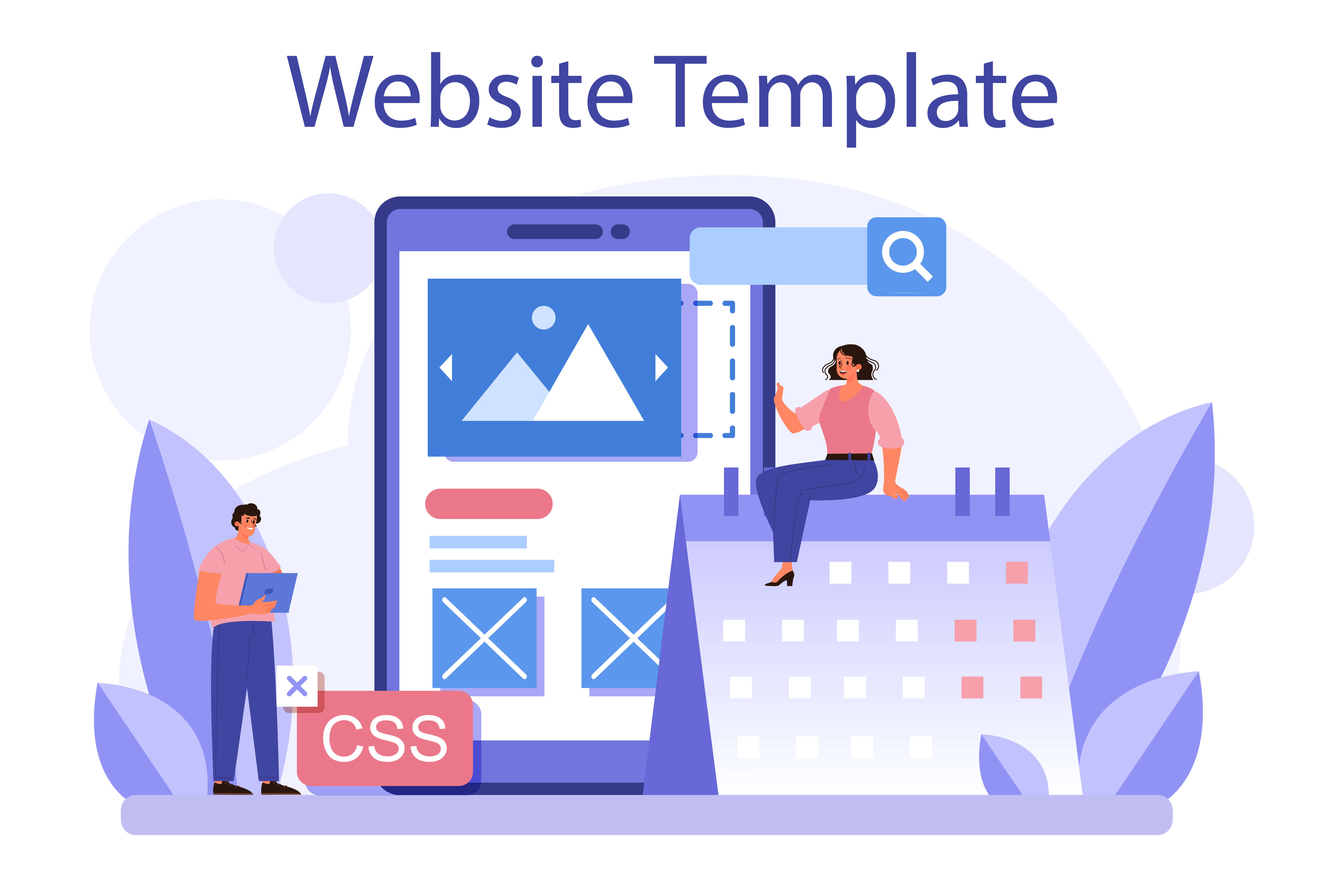
These components create a focused MVP website designed for learning and growth.

Use Data to Validate Your Idea
An MVP website is not just about attracting visitors—it's about gathering insights.
- Track Conversions: Measure actions such as email signups, demo requests, or waitlist registrations. These metrics help determine whether your idea resonates with your audience.
- Analyze Visitor Behavior: Website analytics can reveal which sections receive the most attention and where users drop off. Understanding behavior helps improve messaging and design.
- Refine Based on Feedback: The goal of an MVP is continuous improvement. Use user feedback to make adjustments and strengthen your product positioning before scaling.
How ME-Page Helps Startups Launch Faster
ME-Page is designed to help startups move quickly without sacrificing professionalism.
Rapid Website Creation
Founders can build and launch pages without coding or lengthy development cycles. This allows startups to test ideas faster and reduce time to market.
Flexible Landing Page Layouts
Users can customize layouts around their business goals, whether they are collecting leads, promoting a product, or validating demand.
Easy Updates
Startup messaging often evolves based on user feedback. ME-Page allows founders to update content, headlines, and offers quickly as they learn more about their audience.
Mobile-Ready Design
Since many visitors arrive from social media and mobile devices, responsive layouts ensure a smooth experience across all screen sizes.


Common MVP Website Mistakes to Avoid
Many startups slow themselves down by overbuilding.
Avoid:
- Launching too many pages
- Focusing on design perfection
- Adding unnecessary features
- Ignoring analytics
- Using unclear messaging
- Delaying launch for minor details
Remember, the purpose of an MVP is validation—not creating the final version of your product.
Real-World MVP Website Examples
SaaS Startup
A software company launches a simple page explaining its solution and collects email signups for beta access. The number of registrations helps validate market demand.
Online Marketplace
Before building the platform, founders create a landing page describing the concept and measuring interest from buyers and sellers.
Course Platform
An educator tests a new course idea by creating a page with a curriculum overview and waitlist signup form before producing the content.
These examples show how an MVP website can reduce risk while providing valuable market insights.
Conclusion
Launching quickly is often more important than launching perfectly. A focused MVP website allows startups to test ideas, collect feedback, and validate demand without investing excessive time or resources.
A well-designed startup landing page helps founders communicate their vision, attract early adopters, and gather meaningful data that supports smarter business decisions. With ME-Page, startups can build professional MVP websites quickly, make updates easily, and focus on learning from real users instead of getting stuck in development.
For early-stage companies, speed, flexibility, and validation are critical—and an MVP website is one of the most effective tools for achieving all three.
Frequently Asked Questions about MVP Website with ME-Page
An MVP website is a simplified website designed to validate a business idea and gather feedback before building a full product.
Was This Article Helpful?
Click on a star to rate it!
Average Rating: 5/5
Voutes: 1
Share with Friends:


Previous
Designing Navigation Menus for Multi-Page Websites

Next
How Community Projects Use ME-Page to Grow Awareness
Recent Articles
Everything You Need to Know About Using ME-Page Constructor for Your Website.
Using Multi-Page Navigation to Improve User Experience
As your website grows, visitors need an easy way to move between pages without getting lost. Whether you're bu...

How Internal Links Improve SEO on Multi-Page Websites
When people think about SEO, they often focus on keywords, backlinks, or content creation. While those factors...
How to Choose the Best Homepage Layout for Your Goals
Your homepage is often the first impression visitors have of your brand. Within just a few seconds, people dec...
How to Plan Your Website Before You Start Building
Building a website can feel exciting. You may already be thinking about colors, images, fonts, and clever head...
Using Subpages to Build Service, Pricing, and About Pages
As your website grows, placing all your information on a single page becomes less effective. Visitors want to ...

Why Every Artist Needs a Website Beyond Social Media
For artists, musicians, photographers, illustrators, and other creatives, social media has become an important...
Using Multi-Page Navigation to Improve User Experience
As your website grows, visitors need an easy way to move between pages without getting lost. Whether you're bu...
How Internal Links Improve SEO on Multi-Page Websites
When people think about SEO, they often focus on keywords, backlinks, or content creation. While those factors...
How to Choose the Best Homepage Layout for Your Goals
Your homepage is often the first impression visitors have of your brand. Within just a few seconds, people dec...
How to Plan Your Website Before You Start Building
Building a website can feel exciting. You may already be thinking about colors, images, fonts, and clever head...
Using Subpages to Build Service, Pricing, and About Pages
As your website grows, placing all your information on a single page becomes less effective. Visitors want to ...
Why Every Artist Needs a Website Beyond Social Media
For artists, musicians, photographers, illustrators, and other creatives, social media has become an important...