Me-Page Team
Last modified 29 May 2026
Article Plan
- Why Product Page Design Matters
- Focus on Clear Visual Hierarchy
- Prioritize Mobile Product Experiences
- Build Trust with Social Proof
- Best Elements for Conversion Optimization
- Use Better Product Descriptions
- How ME-Page Helps Build Better Product Pages
- Conclusion
- Frequently Asked Questions about Product Page That Convert
In 2026, online shoppers expect more than just product photos and prices. They want fast-loading pages, clear information, smooth navigation, and trust signals before making a purchase. That’s why strong product page design has become one of the biggest factors in eCommerce success.
A well-optimized product page doesn’t just look good—it guides users toward action. From layout structure to mobile experience, every element influences conversion optimization.
Whether you’re selling digital products, physical goods, or services, improving your product pages can directly increase sales and customer trust.
Let’s explore the best practices businesses should follow in 2026.
Why Product Page Design Matters
Your product page is where buying decisions happen. Even if ads or social media bring traffic, poor page design can stop conversions instantly.
Good product page design helps:
- Build customer confidence
- Improve product understanding
- Reduce bounce rates
- Increase conversions
- Support SEO performance
For example, a clean and organized product page makes shoppers feel more secure. A cluttered or slow page often causes visitors to leave before completing checkout.
Focus on Clear Visual Hierarchy
Visitors should immediately understand:
- What the product is
- Why it matters
- What to do next
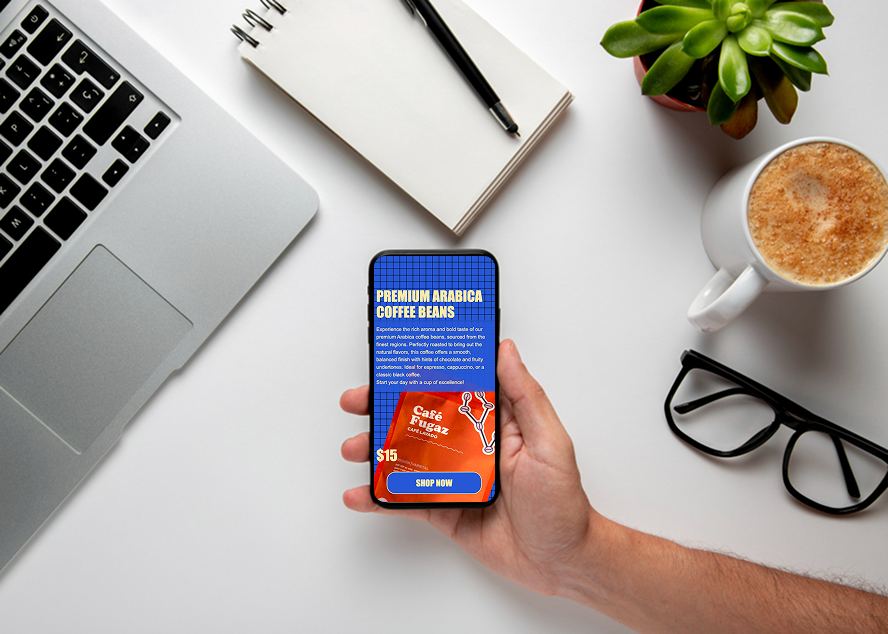
Use Strong Headlines
Your headline should clearly describe the product and its value. For example, instead of “Premium Planner,” use “Daily Productivity Planner for Busy Professionals.” This instantly communicates purpose and audience.
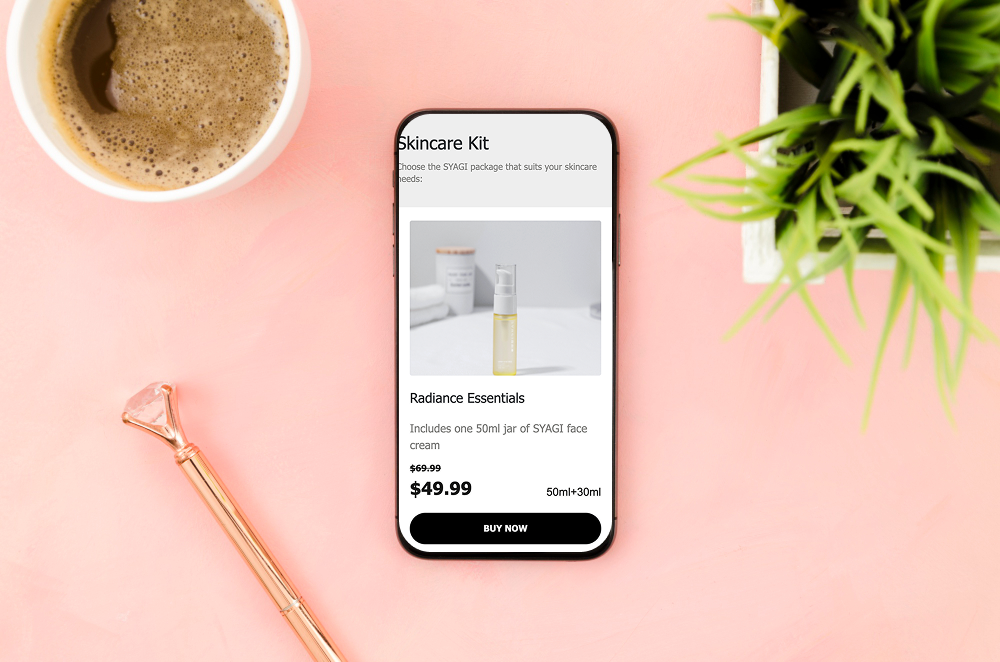
Highlight Important Information
Key details like pricing, features, and CTA buttons should stand out visually. Users shouldn’t have to search for critical information. For instance, placing the “Buy Now” button near pricing improves usability and encourages faster decisions.
Break Content into Sections
Large blocks of text reduce readability. Separate product descriptions, reviews, shipping details, and FAQs into clean sections to improve scanning.
Prioritize Mobile Product Experiences
Most online shopping now happens on smartphones.
Optimize for Fast Loading
Slow pages hurt both user experience and conversion optimization. Compress images and simplify layouts to improve speed. For example, a mobile shopper may abandon a page if it takes more than a few seconds to load.
Use Mobile-Friendly Buttons
CTA buttons should be easy to tap without zooming or accidental clicks. A simple mobile layout improves interaction and checkout flow.
Simplify Navigation
Too many popups or distractions frustrate mobile users. Focus on clean navigation and a smooth purchasing journey.
Build Trust with Social Proof
Trust signals are essential in modern product page design.

Customer Reviews
Reviews help potential buyers feel more confident. For example, seeing positive experiences from other customers reduces hesitation and increases credibility.
Testimonials and Ratings
Highlight high ratings or detailed testimonials near purchase sections. A product with visible social proof often converts better than one without feedback.
Guarantees and Policies
Return policies, secure payment indicators, and guarantees reassure visitors. For instance, “30-Day Money Back Guarantee” can help reduce purchase anxiety.
Best Elements for Conversion Optimization
Here’s a quick overview of important conversion-focused features:
Strong conversion optimization comes from improving the overall shopping experience—not just changing one element.
Use Better Product Descriptions
A product description should explain both features and benefits.
Focus on Outcomes
Instead of listing technical details only, explain how the product improves the customer’s life. For example, don’t just say “water-resistant backpack.” Say “Keeps your laptop and essentials protected during travel and rainy commutes.”
Keep Language Simple
Avoid overly technical wording unless your audience specifically expects it. Clear and conversational writing improves readability and engagement.
Use Scannable Formatting
Bullet points, short paragraphs, and headings make descriptions easier to consume quickly. This helps visitors find important information without feeling overwhelmed by large blocks of text. For example, shoppers can quickly compare product features, pricing, and benefits when the layout is clean and organized. Scannable formatting also improves mobile readability, which is essential for modern conversion optimization.
How ME-Page Helps Build Better Product Pages
ME-Page makes modern product page design easier and more flexible.
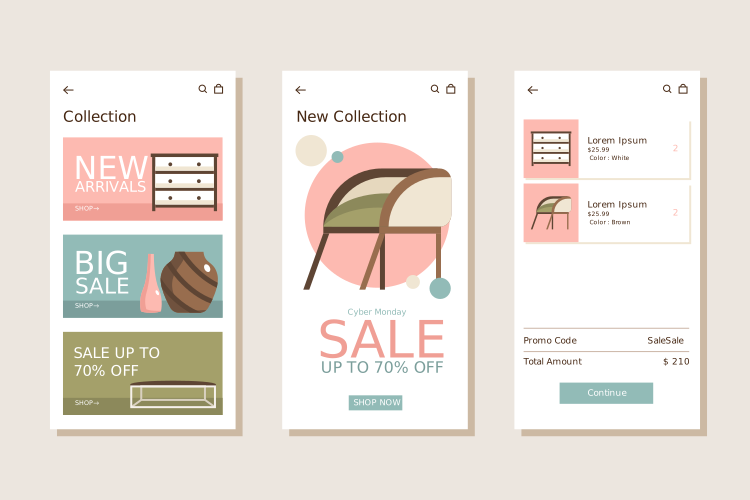
Custom Layouts
Businesses can organize pages around their products and audience needs. For example, a digital creator can prioritize testimonials and video previews, while a fashion brand may focus more on visuals and sizing guides.
Mobile-Optimized Structure
ME-Page pages are designed to perform well on mobile devices. This improves both user experience and conversion potential.
Fast and Flexible Editing
Users can update product pages quickly without complicated development workflows. This helps businesses react faster to campaigns, promotions, or seasonal launches.
Conversion-Focused Design
Layouts can be structured around clear CTAs, social proof, and product storytelling to improve overall performance. This helps guide visitors naturally toward making a purchase or taking action without unnecessary distractions.
Conclusion
Modern product page design is no longer just about aesthetics—it’s about creating smooth, trustworthy, and conversion-focused experiences.
From mobile optimization to social proof and fast performance, every detail affects how users interact with your products. Businesses that prioritize conversion optimization in 2026 will have a major advantage in both customer trust and sales performance.
Platforms like ME-Page make it easier to build flexible, high-performing product pages without unnecessary technical complexity. Whether you’re selling physical products, digital services, or subscriptions, a well-optimized product page can dramatically improve your results.
Frequently Asked Questions about Product Page That Convert
Product page design refers to the layout, visuals, and structure used to present products and guide users toward making a purchase.
Conversion optimization helps increase the percentage of visitors who complete actions like purchases or signups.
Customer reviews, secure payment indicators, clear policies, and professional design all improve trust.
Yes. ME-Page supports flexible layouts and mobile-friendly structures suitable for product pages and online businesses.
Was This Article Helpful?
Click on a star to rate it!
Average Rating: 5/5
Voutes: 2
Share with Friends:




Recent Articles
Everything You Need to Know About Using ME-Page Constructor for Your Website.
Using Multi-Page Navigation to Improve User Experience
As your website grows, visitors need an easy way to move between pages without getting lost. Whether you're bu...
How Internal Links Improve SEO on Multi-Page Websites
When people think about SEO, they often focus on keywords, backlinks, or content creation. While those factors...
How to Choose the Best Homepage Layout for Your Goals
Your homepage is often the first impression visitors have of your brand. Within just a few seconds, people dec...

How to Plan Your Website Before You Start Building
Building a website can feel exciting. You may already be thinking about colors, images, fonts, and clever head...
Using Subpages to Build Service, Pricing, and About Pages
As your website grows, placing all your information on a single page becomes less effective. Visitors want to ...

Why Every Artist Needs a Website Beyond Social Media
For artists, musicians, photographers, illustrators, and other creatives, social media has become an important...
Using Multi-Page Navigation to Improve User Experience
As your website grows, visitors need an easy way to move between pages without getting lost. Whether you're bu...
How Internal Links Improve SEO on Multi-Page Websites
When people think about SEO, they often focus on keywords, backlinks, or content creation. While those factors...
How to Choose the Best Homepage Layout for Your Goals
Your homepage is often the first impression visitors have of your brand. Within just a few seconds, people dec...
How to Plan Your Website Before You Start Building
Building a website can feel exciting. You may already be thinking about colors, images, fonts, and clever head...
Using Subpages to Build Service, Pricing, and About Pages
As your website grows, placing all your information on a single page becomes less effective. Visitors want to ...
Why Every Artist Needs a Website Beyond Social Media
For artists, musicians, photographers, illustrators, and other creatives, social media has become an important...